
Everything Every First-Time Host Should Know
Disclosure: Some of the links in this post are affiliate links. This means if you click on the link and purchase an item, I will receive an affiliate commission at no extra cost to you.
Hosting people in your home for the first time can feel exciting, but it can also bring plenty of uncertainty. From deciding who to invite to figuring out what to serve, there are several details to consider.
Fortunately, everything every first-time host should know begins with understanding that entertaining does not have to be complicated to be enjoyable.
You do not need a perfectly decorated home, an elaborate menu, or years of experience to make people feel welcome. What matters most is creating an environment where guests can relax and enjoy spending time with you.
Before sending out invitations, it helps to understand a few basic hosting principles. These practical lessons will help you prepare confidently, avoid common mistakes, and develop a hosting style that feels natural.
1. Start With a Gathering You Can Comfortably Manage

Your first hosting experience does not need to be a large celebration with several courses and elaborate decorations.
Starting with a small gathering gives you room to learn without managing too many responsibilities.
Consider inviting a few close friends or relatives whose company you enjoy. A smaller group makes it easier to manage conversations, serve refreshments, and give everyone attention.
As you become more comfortable, you can gradually experiment with larger gatherings and more elaborate occasions.
There is no need to prove your hosting ability through the size of your first event.
If you are planning your first event in a new space, How to Host Your First Gathering in a New Home can help you approach the experience with a simple and manageable plan.
2. Invite People Who Will Enjoy Spending Time Together

Your guest list can have a major influence on how the gathering feels. For your first event, consider inviting people who are likely to feel comfortable in one another’s company.
You do not have to invite everyone you know simply because you have decided to entertain.
A smaller group with shared interests or friendly connections can make conversation much easier.
As you gain experience, you can begin bringing together different personalities and social circles. For now, choose a combination of guests that helps everyone feel at ease.
3. Give Your Guests Clear Information

An invitation should tell people what they need to know before attending. Include the date, location, starting time, and a simple description of the occasion.
Mention anything that might affect how guests prepare, such as a dress code, theme, or outdoor setting. Clear information helps everyone arrive with the right expectations.
Avoid leaving important details until the last minute. Good communication prevents confusion and saves you from answering the same practical questions repeatedly.
4. Set a Realistic Hosting Budget

Entertaining does not have to involve expensive food, elaborate decorations, or new serving pieces. You can create a lovely occasion without spending beyond your means.
Decide how much you are comfortable spending and divide the amount into categories such as food, drinks, decorations, and additional supplies.
Prioritize the things that directly affect your guests’ experience.
A satisfying meal, comfortable seating, and welcoming surroundings are more valuable than unnecessary decorative purchases.
You can still create an impressive occasion without overspending, and How to Host an Elegant Dinner Party for Under $100 offers practical inspiration for making thoughtful choices on a limited budget.
5. Choose a Menu You Already Feel Confident Preparing

Your first gathering is not the ideal occasion to experiment with several unfamiliar recipes. Choose dishes you have prepared successfully before so you can concentrate on hosting.
A simple menu with a main dish, suitable sides, and an easy dessert can be more than enough. Thoughtful presentation can make familiar recipes feel special.
If you want to try something new, introduce just one unfamiliar dish and keep the rest of the menu familiar.
This gives you room to experiment without putting the entire meal at risk.
If you need inspiration for a relaxed menu, 25 Casual Dinner Party Ideas Everyone Will Love offers approachable ways to plan a meal that guests can enjoy without making preparation unnecessarily complicated.
6. Learn to Estimate Food and Drink Quantities
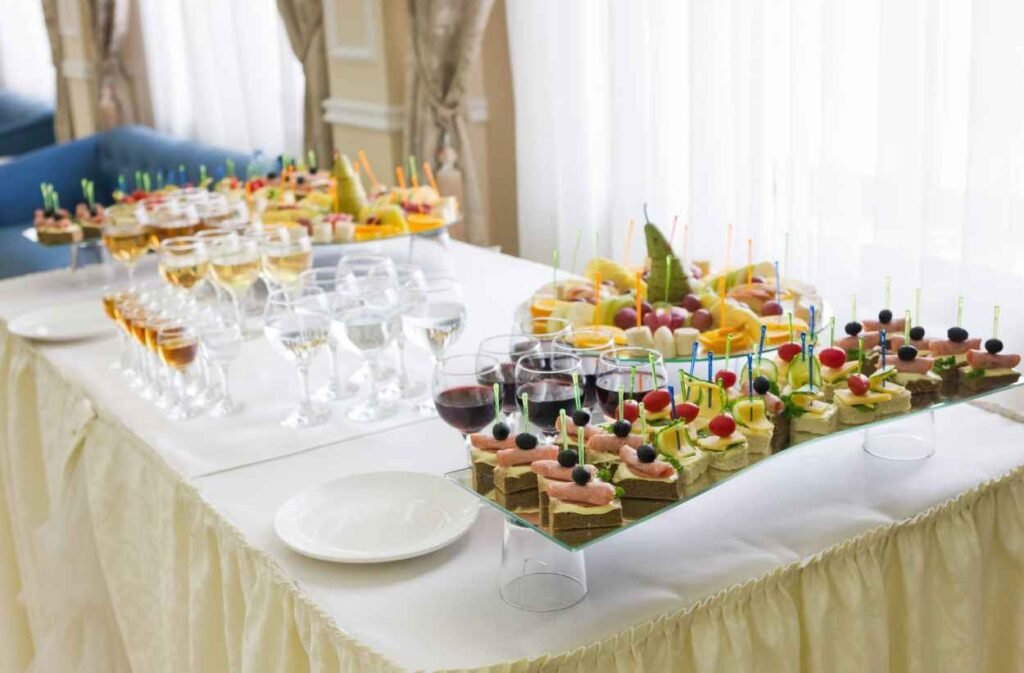
One concern many first time hosts have is preparing too little food or purchasing far more than necessary.
Estimating quantities based on your guest count can help you avoid both problems.
Consider the type of meal you are serving, how long the gathering will last, and how many people are attending. A full dinner requires different quantities from a short afternoon visit.
Remember to include enough drinking water, refreshments, and non alcoholic options. Having a variety of drinks available helps guests stay comfortable throughout the occasion.
For a gathering where guests will serve themselves, 30 Brunch Buffet Ideas for Small Gatherings can help you explore different food arrangements and combinations suitable for a smaller group.
7. Make Sure Everyone Has Somewhere Comfortable to Sit

Seating is one of those practical details that can easily be overlooked when you are focused on food and decorations.
Consider how many people will attend and the arrangement that suits the occasion.
You do not need matching chairs or a formal dining arrangement. A combination of dining chairs, comfortable sofas, and suitable additional seating can work well.
Pay attention to the space between seats too. Guests should be able to move around, reach their food, and join conversations without constantly asking others to shift.
8. Understand That Your Home Does Not Have to Look Perfect

First time hosts sometimes worry about how their homes compare with professionally styled photographs.
This can create unnecessary pressure and distract from the purpose of inviting people over.
Focus on cleanliness, comfort, and functionality rather than transforming every room.
Guests generally need a welcoming place to sit, a clean bathroom, and enough room to enjoy themselves.
Your home should still feel like your home after you have prepared it. Personal touches and familiar surroundings can make the experience warmer than an overly staged space.
If you want to add a few attractive touches without completely transforming your home, 35 Budget-Friendly Party Decor Ideas offers simple inspiration that can make your gathering feel special without requiring expensive changes.
9. Prepare for Dietary Needs and Food Allergies

A thoughtful host pays attention to what guests can comfortably eat. Ask about dietary restrictions and serious food allergies before finalizing your menu.
You do not need to create an entirely different menu for every guest. Instead, include suitable options and make sure people know what is in the dishes being served.
Take serious allergies particularly carefully by checking ingredients and preventing cross contact during food preparation. This helps guests feel considered and safe.
10. Know How to Make Introductions

Not every guest will know everyone else at your gathering. If you invite people from different parts of your life, help them become acquainted when they arrive.
Introduce guests by name and share a little information that gives them something to talk about.
Mentioning a shared interest, hobby, or experience can make the first interaction feel natural.
Do not assume everyone will immediately begin talking. A thoughtful introduction can remove some awkwardness and help guests feel included.
11. Have a Few Conversation Topics in Mind

Good conversations are not always automatic, especially when people are meeting for the first time. Having a few light topics in mind can help when discussions begin to slow down.
Think about travel, favourite meals, hobbies, entertainment, or interesting everyday experiences.
These subjects can open conversations without making guests feel interviewed.
You do not need to control every discussion or prepare a long list of questions. Simply be willing to contribute when the conversation needs a little encouragement.
For more ideas on keeping discussions flowing naturally, How to Start Conversations at Dinner Parties offers useful ways to help guests feel comfortable joining conversations.
12. Do Not Spend the Entire Gathering in the Kitchen

Preparing food and keeping everything organized can make it tempting to remain in the kitchen for most of the occasion. However, your guests have come to spend time with you.
Arrange your menu to reduce the amount of attention required once everyone arrives.
Dishes that can be prepared ahead or served without complicated last minute work are especially helpful.
If you need assistance, allow someone you trust to help with a small task. You should have enough time to sit down, enjoy your food, and join the conversations.
Preparing and arranging dishes before guests arrive can also save time, and How to Plate Food Like a Restaurant at Home offers inspiration for presenting meals beautifully without making serving unnecessarily complicated.
13. Learn to Handle Small Hosting Problems Calmly

Not everything will happen exactly as planned during your first gathering. A dish may take longer to cook, someone may arrive late, or you might forget a small item.
Instead of allowing every unexpected situation to upset you, focus on finding a simple solution. Most minor problems can be handled without interrupting the entire occasion.
Guests are unlikely to remember every small inconvenience, particularly when they are enjoying the company and atmosphere. Staying calm will help you respond thoughtfully.
Some hosting problems are less obvious than they seem, so The Hidden Mistake That’s Making Your Dinner Parties Feel Awkward can help you recognize small issues that may affect the atmosphere of a gathering.
14. Keep Safety in Mind When Entertaining

A welcoming home should also be a safe place for everyone attending. Pay attention to anything that could cause an accident in areas where guests will walk, eat, or gather.
Keep walkways clear, secure loose electrical cords, and place hot dishes where they are unlikely to be knocked over.
If children will attend, keep fragile decorations and sharp objects out of their reach.
Food safety deserves attention too. Store ingredients properly, avoid leaving perishable dishes out for too long, and serve food at appropriate temperatures.
If children will be attending, How to Host Guests When You Have Young Children offers additional ideas for preparing your home and making the gathering comfortable for younger guests.
15. Set Boundaries Without Feeling Uncomfortable

Being a good host does not mean agreeing to every request or allowing the gathering to become more demanding than planned. You can be welcoming while still having reasonable boundaries.
You can communicate your preferred arrival time, explain that your space has limited seating, or politely decline additional guests when you cannot accommodate them.
It is also fine to ask people to respect your home and personal belongings. Clear expectations help everyone enjoy the occasion without leaving you overwhelmed.
Understanding the expectations that come with entertaining can make these situations easier to navigate, and 25 Modern Hosting Etiquette Everyone Should Know explores practical ways to handle common hosting situations gracefully.
16. Have a Simple Plan for Serving Food

Serving arrangements can influence how smoothly your gathering runs. Before guests arrive, decide if you will bring food directly to the table, serve individual portions, or arrange a buffet.
For a small dinner, placing dishes on the dining table may be convenient. A larger group might benefit from a separate serving station where guests can move through the food easily.
Make sure serving utensils are available and guests can identify what is being offered. A little organization makes mealtimes easier for everyone.
If you decide to use a buffet arrangement, 33 Beautiful Buffet Styling Ideas can help you organize the serving area so food is easy to access while still looking attractive.
17. Pay Attention to the Small Details That Make Guests Comfortable

A gathering often feels welcoming because of several small considerations rather than one impressive feature. Think about what guests may need during their visit and make those things easy to access.
Keep drinking water available, provide clean hand towels in the bathroom, and make sure guests know where to leave their belongings. If the weather is warm, consider ventilation and cool refreshments.
These details may not attract much attention individually, but together they help people settle in without repeatedly asking for assistance.
18. Do Not Feel Obligated to Entertain Every Minute

A gathering does not need a continuous schedule of games, activities, or planned conversations. Some of the most enjoyable occasions allow people to talk, eat, laugh, and spend time together naturally.
Choose activities that suit the people you have invited rather than adding them simply because you think every event needs entertainment. A dinner with close friends may be enjoyable without any organized activity.
Give guests room to enjoy the occasion at their own pace. Your responsibility is to create a comfortable environment, not to fill every quiet moment.
19. Ask for Help When You Need It

Hosting for the first time can involve more responsibilities than you initially expect. There is nothing wrong with accepting help from someone you trust.
A friend might arrange drinks, a relative could assist with serving food, or someone else might take care of the music. Giving people specific responsibilities makes it easier for them to contribute.
Accepting help does not make you less capable as a host. Sharing a few responsibilities can give you more time to enjoy the gathering.
Learning to share responsibilities and make guests feel comfortable is part of becoming a more confident entertainer, and 25 Easy Ways to Become a Better Host offers additional practical habits worth developing.
20. Remember That Guests Are There to Enjoy Your Company

It is easy to become so concerned about the food, presentation, and arrangements that you forget why you invited people over. The gathering is an opportunity to connect with people you enjoy having in your life.
Do not spend the entire occasion checking decorations or worrying about small imperfections. Once the important preparations are complete, allow yourself to become part of the experience.
Guests are not expecting a perfect performance. A warm welcome, genuine conversation, and relaxed atmosphere can make a stronger impression than an elaborate event where the host barely has time to sit down.
The emotional experience guests have during a visit often matters more than the details of the event, which is explored further in The Psychology Behind Memorable Hospitality.
21. Learn From Every Gathering You Host

Your first hosting experience will teach you things that are difficult to understand through planning alone. You may discover that you prepared too much food, needed additional seating, or spent too much time in the kitchen.
After the gathering, think about what went well and what you would change next time. Keep notes about successful recipes, useful serving arrangements, and practical lessons you do not want to forget.
These observations will gradually help you develop a hosting style that suits your personality and lifestyle. Each gathering becomes an opportunity to feel more confident and make the next occasion easier to manage.
As you gain experience, developing thoughtful habits can make each gathering more enjoyable, and Simple Hosting Habits That Leave a Lasting Impression offers more ideas you can carry into future occasions.
Let Your First Gathering Be the Beginning of Something Enjoyable
Becoming a confident host does not happen after one perfect event. It develops through experience, small adjustments, and learning what makes the people around you feel comfortable.
Start with a gathering that feels manageable, make thoughtful choices, and give yourself permission to enjoy the occasion. You will become better at planning, serving, and handling unexpected situations as you host more often.
Most importantly, remember that hospitality is about the people who come through your door. When guests feel welcomed and you have enough time to enjoy their company, you have already done something worth being proud of.