

How to Start Conversations at Dinner Parties
Disclosure: Some of the links in this post are affiliate links. This means if you click on the link and purchase an item, I will receive an affiliate commission at no extra cost to you.
Hosting a dinner party is about much more than serving delicious food or setting a beautiful table. The conversations that happen around your table often become the moments people remember most. Learning how to start conversations at dinner parties can turn an ordinary evening into an experience where guests feel comfortable, included, and genuinely connected.
Almost everyone has attended a gathering where conversation flowed effortlessly. Time seemed to disappear because everyone had something to contribute, laughter came naturally, and even strangers found common ground.
On the other hand, many people have also experienced long stretches of awkward silence, one sided discussions, or conversations that never seem to move beyond small talk.
The good news is that meaningful conversation rarely happens by accident. Great hosts understand that creating an environment where people feel comfortable speaking is just as important as planning the menu.
A few thoughtful strategies before and during the meal can encourage guests to relax, participate, and enjoy getting to know one another.
This guide will show you practical ways to encourage engaging conversations without making anyone feel pressured. From preparing your guest list to handling awkward pauses, these ideas will help you create dinner parties where everyone feels welcome to join the conversation.
Why Great Conversation Is the Heart of Every Dinner Party

People rarely remember every detail of a meal months later.
They may forget the exact dessert you served or the color of the napkins, but they almost always remember how they felt while sitting around your table.
Conversation shapes those feelings. It helps strangers become friends, allows family members to reconnect, and gives guests opportunities to share stories they may never have told otherwise.
When everyone feels heard and included, the atmosphere becomes warmer and more enjoyable for everyone.
Good conversation also helps guests relax. Walking into a room full of unfamiliar faces can feel intimidating, especially for quieter personalities.
Once people begin talking naturally, that initial nervousness quickly fades. Before long, guests become comfortable enough to laugh, exchange opinions, and participate without hesitation.
Creating this kind of atmosphere doesn’t require you to become the loudest person in the room.
In fact, many successful hosts spend more time encouraging others to speak than talking about themselves.
Their role is to guide conversations gently while allowing guests to connect with each other.
Meaningful conversations are one of the qualities that guests remember most. Learn more about creating lasting impressions in How to Be a Memorable Host.
Set the Stage Before Guests Arrive

Meaningful conversations often begin long before anyone sits down for dinner. The preparation you do behind the scenes can make an enormous difference once your guests arrive.
One of the first things to consider is your guest list. Think about personalities, interests, and backgrounds rather than simply inviting people who already know one another.
A balanced mix of guests usually creates more interesting conversations because everyone brings different experiences to the table.
At the same time, avoid creating a room where everyone feels like a complete stranger.
Inviting a few people who already know each other can help break the ice naturally while making newcomers feel more comfortable.
Your seating arrangement matters as well. Guests who share similar interests or complementary personalities often find conversation easier to begin.
Pairing someone who enjoys traveling with another guest who recently returned from an exciting destination creates opportunities for genuine discussion without forcing interaction.
Finally, think about the overall atmosphere of your home.
Comfortable seating, soft lighting, pleasant background music, and a welcoming environment all help people relax before the first conversation even begins.
Preparing your space before guests arrive makes conversations feel more relaxed from the very beginning. The Complete Home Entertaining Checklist can help you stay organized.
Learn a Little About Your Guests

Many hosts spend hours planning recipes but very little time thinking about the people who will be sitting around the table.
Taking a few minutes to consider each guest’s interests gives you valuable material for introducing conversations later.
Perhaps someone recently started a new business, returned from a memorable vacation, adopted a pet, completed a home renovation, or discovered a new hobby.
These details become excellent conversation starters because they focus on experiences people usually enjoy discussing.
This preparation also helps you connect guests who may have something in common without realizing it.
Two people who both enjoy photography, gardening, or cooking may become engaged in conversation almost immediately after a simple introduction.
Your goal isn’t to memorize everyone’s life story. Instead, gather enough information to confidently introduce topics that feel natural rather than rehearsed.
Getting to know your guests before they arrive is one of the thoughtful habits covered in 15 Things Great Hosts Always Do Before Guests Arrive.
Welcome Guests in a Way That Encourages Conversation

The first few minutes after guests arrive often determine how relaxed everyone feels throughout the evening.
Instead of allowing people to stand awkwardly while waiting for others, greet each guest warmly and introduce them individually whenever possible.
Mentioning something they have in common immediately gives them an easy place to begin talking.
For example, instead of saying,
“This is Sarah. This is David.”
You might say,
“Sarah recently returned from Italy, and David loves planning international trips. I think you two will have plenty to talk about.”
Simple introductions like this remove much of the pressure from both guests.
Offering drinks or appetizers also creates natural opportunities for conversation before everyone sits down.
People tend to speak more comfortably while moving around the room than after being seated formally.
Most importantly, pay attention to anyone standing alone.
Walking over, asking a friendly question, or introducing them to another guest prevents uncomfortable isolation during the opening moments of the gathering.
A warm welcome helps guests feel comfortable enough to start talking naturally. Discover more ideas in How to Make Guests Feel Welcome the Moment They Arrive.
Use Open Ended Questions Instead of Simple Yes or No Questions

One of the quickest ways to keep conversation alive is by asking questions that invite stories rather than short answers.
Questions that can be answered with “yes” or “no” usually end the conversation almost immediately.
Instead, ask questions that encourage guests to explain their experiences, opinions, or memories.
For example, rather than asking,
“Did you enjoy your vacation?”
Try asking,
“What was your favorite part of the trip?”
Instead of,
“Do you like cooking?”
Ask,
“What’s the most memorable meal you’ve ever prepared?”
Open ended questions encourage people to share more about themselves while giving others opportunities to join the discussion with similar experiences.
You’ll also notice that one thoughtful question often leads naturally to several more without feeling forced.
Asking thoughtful questions is one of the easiest ways to improve your hosting skills. You’ll find even more practical ideas in 25 Easy Ways to Become a Better Host.
Encourage Guests to Share Stories Instead of Facts

Many conversations lose momentum because they revolve around facts rather than experiences.
Questions like “Where do you work?” or “What do you do?” often lead to brief answers that quickly reach a dead end.
While these questions are common, they rarely reveal much about someone’s personality.
Instead, encourage guests to share stories.
Stories naturally invite follow up questions, laughter, and shared experiences. They also allow everyone around the table to participate instead of turning the conversation into an interview.
For example, you might ask someone about the funniest travel experience they’ve ever had, a meal they’ll never forget, or the best advice they’ve ever received.
Before long, other guests will begin sharing their own stories, creating a conversation that feels spontaneous rather than planned.
People generally enjoy talking about moments that made them laugh, taught them something, or changed their perspective.
Those conversations leave a much stronger impression than exchanging basic information.
Creating opportunities for meaningful conversations is one of the foundations of successful entertaining. The Ultimate Beginner’s Guide to Entertaining at Home explores more essentials for new hosts.
Have a Few Conversation Starters Ready
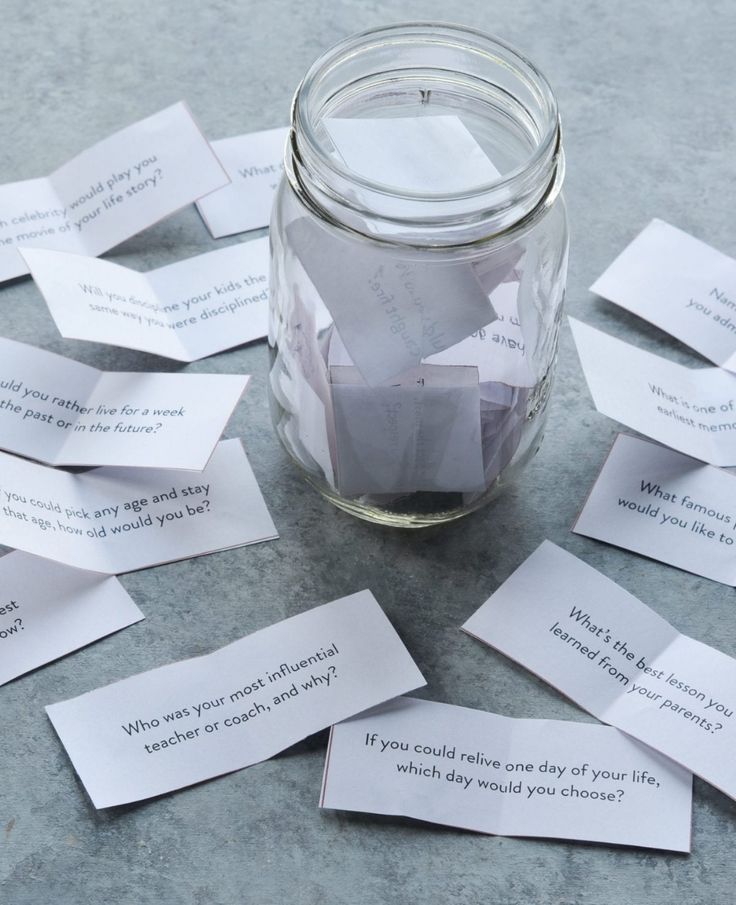
Even experienced hosts occasionally encounter a quiet moment.
Instead of worrying about silence, prepare several conversation starters before the party begins. Having them ready gives you confidence without making the discussion feel scripted.
Good conversation starters are simple, positive, and broad enough for almost anyone to answer.
Questions like these often work well:
“What’s something you’ve learned recently that surprised you?”
“If you could instantly master one skill, what would it be?”
“What’s one place you’ve always wanted to visit?”
“What’s your favorite family tradition?”
“Which meal could you eat every week without getting tired of it?”
Each question encourages guests to share something personal without making them uncomfortable.
As guests begin responding, allow the conversation to develop naturally instead of rushing to ask another prepared question.
Preparing conversation starters ahead of time can make hosting feel much less overwhelming. Read How to Host Guests Without Feeling Stressed for more helpful advice.
Include Everyone Around the Table

One of the biggest responsibilities of a host is making sure everyone feels included.
At many dinner parties, one or two confident personalities naturally dominate the conversation. While their enthusiasm is valuable, quieter guests deserve opportunities to contribute as well.
Pay attention to body language throughout the meal.
Someone who smiles, nods, and listens carefully may still have something meaningful to say. They simply need an opening.
You can gently invite them into the conversation by asking for their opinion.
For example:
“Emily, you’ve traveled there before. What was your experience like?”
or
“James, I remember you mentioning something similar recently. What do you think?”
Questions like these acknowledge someone’s experience without putting them under uncomfortable pressure.
If they answer briefly, allow the conversation to continue naturally instead of insisting they speak longer.
Creating space for everyone often leads to richer discussions because different personalities bring different perspectives.
Along with inclusive conversations, the right background music helps everyone feel comfortable. Explore Best Music Playlist Ideas for Hosting to create the perfect atmosphere.
Help Guests Discover Common Interests

Sometimes the best conversations begin because the host notices something others haven’t.
Perhaps two guests enjoy gardening.
Another pair recently renovated their homes.
Someone else has children the same age as another family.
Introducing these shared interests can instantly create meaningful discussion.
You might simply say,
“I think you both enjoy hiking. Have you ever compared your favorite trails?”
or
“You both started learning photography this year. I’d love to hear what you’ve discovered.”
These small introductions often allow conversations to continue for quite a while without any further help from the host.
The more your guests connect with each other, the less responsibility you’ll have for keeping conversation moving.
Introducing guests with shared interests is a thoughtful example of good hosting etiquette. Learn more in Hosting Etiquette Every Host Should Know.
Keep the Conversation Positive

Dinner parties should leave people feeling relaxed, encouraged, and happy they attended.
That doesn’t mean every discussion must stay lighthearted all evening. Meaningful conversations can include thoughtful opinions and personal experiences.
However, certain topics frequently create unnecessary tension.
Arguments about politics, controversial current events, deeply personal finances, or highly divisive issues can quickly change the atmosphere.
If the conversation begins moving in that direction, gently guide it elsewhere without making anyone feel embarrassed.
One simple technique is introducing a related but lighter topic.
For example,
“Speaking of travel, what’s everyone’s dream destination?”
or
“That reminds me, what’s the best local restaurant you’ve discovered recently?”
Most guests appreciate a graceful change in direction because it keeps the evening enjoyable for everyone.
Relaxed dinner parties naturally encourage enjoyable conversations. Find inspiration in 25 Casual Dinner Party Ideas Everyone Will Love.
Handle Awkward Silence With Confidence

Every dinner party experiences moments when conversation slows down.
Those brief pauses aren’t signs that something has gone wrong.
Many hosts panic the moment silence appears, rushing to fill every second with words. Ironically, this often makes everyone feel more uncomfortable.
Instead, allow a few natural pauses.
People sometimes need a moment to finish eating, gather their thoughts, or think of something meaningful to contribute.
If the silence continues, introduce a fresh question instead of apologizing for the quiet.
You could comment on the meal, ask about upcoming travel plans, or invite guests to share a favorite memory connected to the season.
Confidence is contagious.
When you remain relaxed, your guests usually relax as well.
A calm and welcoming atmosphere makes awkward moments much easier to manage. You’ll find more entertaining inspiration in 35 Elegant Dinner Party Ideas for Adults.
Read the Mood of the Room

Successful hosts understand that every gathering develops its own rhythm.
Early in the evening, guests may still be getting acquainted.
Later, conversations usually become more animated as everyone grows comfortable.
Pay attention to these natural changes.
If people are laughing together, avoid interrupting simply because you planned another discussion topic.
On the other hand, if energy begins fading, introducing a fresh question or changing the subject can help revive the atmosphere.
Flexibility often produces better conversations than trying to follow a strict plan.
Rather than controlling every discussion, guide the evening gently while allowing guests to shape it naturally.
Different themes create different social atmospheres. Browse 27 Themed Dinner Party Ideas That Guests Will Remember for creative entertaining ideas.
Know When to Step Back
Some hosts believe they must lead every conversation from beginning to end.
In reality, one of the greatest hosting skills is knowing when your guests no longer need your help.
Once several people become deeply engaged in conversation, resist the urge to redirect attention toward yourself.
Instead, quietly observe while making sure everyone remains comfortable.
This also gives you time to refill drinks, clear dishes, or check on guests without disrupting the discussion.
Watching your guests connect with one another is often the clearest sign that your hosting has been successful.
The conversations now belong to them rather than to you.
Once conversations are flowing naturally, beautiful surroundings quietly support the experience. Discover more inspiration in 50 Beautiful Table Setting Ideas for Every Occasion.
Keep the Conversation Moving Naturally

Starting a conversation is only the beginning. The next challenge is helping it continue without becoming repetitive or uncomfortable.
One of the easiest ways to do this is by listening carefully instead of thinking about the next question you want to ask.
Guests often provide several opportunities for follow up questions within a single story. Paying attention to those details keeps the discussion flowing naturally.
For example, if someone mentions a memorable vacation, you might ask what inspired them to choose that destination, what surprised them the most, or whether they would visit again.
These follow up questions feel genuine because they grow directly from what the guest has already shared.
Another helpful technique is inviting others into the discussion.
You could say,
“That reminds me of something Michael mentioned earlier. Michael, didn’t you have a similar experience?”
Simple transitions like this help conversations grow without making anyone feel interrupted.
The goal isn’t to ask endless questions. Instead, encourage guests to build on one another’s experiences so the discussion develops naturally around the table.
An elegant table creates an inviting setting where conversations can continue comfortably throughout the evening. See these 45 Elegant Table Setting Ideas That Look Expensive for inspiration.
Balance Listening and Speaking

Many people assume that being a good conversationalist means talking a lot.
In reality, good hosts often speak less than everyone else.
They listen carefully, notice opportunities to include quieter guests, and ask thoughtful questions that encourage others to participate.
This balance creates conversations that feel welcoming rather than controlled.
When guests feel genuinely heard, they’re usually more willing to continue sharing.
Maintaining eye contact, smiling, and responding naturally shows that you’re interested in what they’re saying instead of simply waiting for your turn to speak.
Being fully present also helps you notice when someone else wants to contribute. Giving that person space to join the discussion keeps the conversation balanced throughout the evening.
End the Evening With Meaningful Conversations

As dinner comes to an end, conversations often become quieter and more reflective.
Rather than rushing guests toward the door, allow these final discussions to unfold naturally. Some of the most memorable conversations happen after dessert, when everyone feels completely relaxed.
This is also an excellent time to express appreciation for your guests.
Thank them for coming, mention something you enjoyed hearing during the evening, or simply let them know how much their company meant to you.
These small moments leave a lasting impression because they remind guests that the evening was about spending meaningful time together rather than simply sharing a meal.
Ending on a warm and positive note encourages people to look forward to your next invitation.
Sharing memorable meals often leads to unforgettable conversations. Get inspired with these 21 Italian Dinner Party Ideas.
Small Details That Make Conversations Easier

Meaningful conversations aren’t created by questions alone. Several small details quietly support the atmosphere throughout the evening.
Comfortable seating encourages people to remain relaxed during longer discussions. Soft background music allows conversations to continue without becoming distracting.
Serving food at a comfortable pace gives guests enough time to talk between courses instead of feeling hurried.
Even lighting plays a role. Warm lighting often creates a more relaxed atmosphere than harsh overhead lights, helping guests feel comfortable enough to open up naturally.
Removing unnecessary distractions also helps. Silencing televisions, minimizing phone interruptions, and avoiding loud kitchen noises keeps everyone’s attention focused on the people around the table.
These details may seem small individually, but together they create an environment where meaningful conversations happen much more easily.
Creating Dinner Parties That Guests Remember

Every successful dinner party has one thing in common. Guests leave feeling that they were genuinely welcomed, included, and appreciated.
The food certainly contributes to that experience, but meaningful conversations often become the highlight people remember long afterward.
They remember laughing together, discovering shared interests, hearing fascinating stories, and meeting people they hope to see again.
As the host, your responsibility isn’t to entertain everyone every minute of the evening. Instead, your role is to create opportunities for people to connect naturally.
That begins with thoughtful introductions, continues through well chosen conversation starters, and grows as guests become comfortable enough to share their own stories.
Thoughtful conversations, beautiful surroundings, and memorable meals all contribute to gatherings guests will never forget. Explore 23 French Inspired Dinner Party Ideas for even more inspiration.
Over time, you’ll become more confident reading the room, guiding discussions when necessary, and knowing when to step back so conversations can develop on their own.
The most memorable dinner parties rarely happen because everything goes perfectly. They become memorable because everyone leaves feeling they belonged around your table.
When your guests walk away smiling, talking about the conversations they enjoyed, and looking forward to your next invitation, you’ll know you’ve accomplished something much more valuable than simply serving a wonderful meal.






11 Comments