

How to Make Guests Feel Welcome the Moment They Arrive
Disclosure: Some of the links in this post are affiliate links. This means if you click on the link and purchase an item, I will receive an affiliate commission at no extra cost to you.
The first few minutes of any visit often shape how the rest of the gathering feels. If you’re wondering how to make guests feel welcome the moment they arrive, the answer isn’t found in expensive decorations or an elaborate meal. It’s the small, thoughtful touches that help people relax, feel appreciated, and settle into your home with ease.
Think about the last time you visited someone and instantly felt comfortable. Chances are, it wasn’t because their home looked perfect. It was the warm greeting, the genuine smile, and the feeling that they were happy you had come. Those simple moments create lasting impressions long before everyone gathers around the table.
Creating that experience doesn’t require years of hosting experience. A little preparation, thoughtful attention, and genuine hospitality can make every guest feel valued from the moment they step through your door.
Why First Impressions Matter
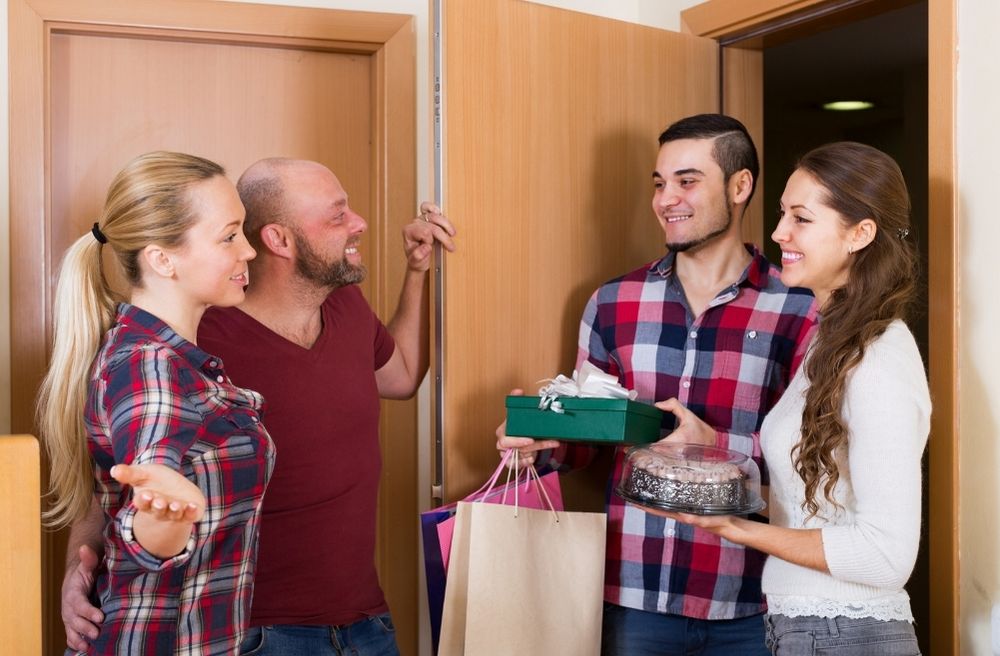
Guests begin forming opinions before they even take a seat. The entrance to your home, your greeting, and the atmosphere all work together to create an immediate sense of comfort or uncertainty.
A warm welcome helps guests relax almost instantly. Instead of wondering where to put their coat or if they’ve arrived too early, they can settle in knowing they’re exactly where they’re meant to be.
That positive start also sets the tone for the rest of the gathering. People who feel comfortable early on are more likely to join conversations, enjoy the meal, and leave with happy memories of their visit.
The way you welcome people is also an important part of becoming a memorable host, and How to Be a Memorable Host explores more ways to create experiences guests will remember.
Prepare Your Home Before the Doorbell Rings

The best welcomes happen long before guests arrive.
Rather than rushing through last-minute chores while people wait at the door, aim to have the essentials finished ahead of time. Tidy the entrance, adjust the lighting, prepare refreshments, and make sure shared spaces are clean and inviting.
You don’t need a spotless home that looks untouched. Guests appreciate a home that feels comfortable and lived in far more than one that feels like a showroom.
Taking care of these small details also allows you to greet people without feeling distracted or overwhelmed.
If you’re still learning the basics of hosting, our Ultimate Beginner’s Guide to Entertaining at Home shares practical advice to help you plan memorable gatherings with confidence from the very beginning.
Welcome Guests With Your Full Attention

Nothing makes a guest feel more appreciated than knowing they’ve captured your full attention.
When the doorbell rings, pause whatever you’re doing and greet your guests personally. Smile, make eye contact, and welcome them inside with genuine enthusiasm.
If you’re cooking or finishing a final task, resist the temptation to shout, “Come in!” from another room. Walking to the door yourself shows that their arrival matters.
People remember how they were greeted long after they’ve forgotten what was served for dinner.
Greeting guests becomes much easier when you’re not rushing through last-minute tasks. Our How to Host Guests Without Feeling Stressed guide shares practical ways to stay organized and enjoy every moment of hosting.
Learn and Use People’s Names

Hearing your own name naturally creates a sense of connection.
As guests arrive, greet them by name and continue using it naturally throughout the gathering. If someone has brought a friend or family member you’ve never met before, introduce yourself warmly and make an effort to remember their name as well.
When introducing guests to one another, include a little context instead of simply saying names.
For example, mentioning a shared hobby, workplace, or interest gives people an easy way to begin talking without feeling awkward.
These thoughtful introductions help conversations begin more naturally.
When someone is visiting your home for the first time, small gestures can help them feel as comfortable as an old friend, as explained in How to Make New Guests Feel Like Old Friends.
Offer to Take Coats and Bags
Small gestures often have a bigger impact than grand ones.
Offering to take coats, handbags, umbrellas, or shopping bags immediately helps guests feel comfortable instead of wondering where to place their belongings.
Show them where their items will be kept so they know exactly where to find them later.
This simple act also helps keep your entrance tidy while allowing guests to relax without carrying everything around.
If you’re welcoming someone who will be staying overnight, preparing a comfortable place for them to rest is another thoughtful gesture, and How to Create the Perfect Guest Room can help you get that space ready.
Invite Guests Into Your Main Gathering Space

Once guests have settled in, guide them naturally into the area where everyone will be spending time together.
Avoid leaving people standing near the entrance while you continue preparing. Invite them into the living room, dining room, patio, or wherever you’ve planned to gather.
If other guests have already arrived, make introductions straight away so no one feels isolated.
The sooner everyone feels included, the easier conversations begin to flow.
When some of your visitors are meeting for the first time, How to Introduce Guests Who Don’t Know Each Other offers practical ways to make those introductions feel natural rather than awkward.
Offer a Drink Within the First Few Minutes

One of the easiest ways to help guests feel at home is by offering a drink soon after they arrive.
It doesn’t need to be anything elaborate. A glass of water, fresh juice, tea, coffee, sparkling water, or another beverage suited to the occasion is perfectly appropriate.
Offering refreshments gives guests something to enjoy while everyone settles in, and it creates a natural opportunity for casual conversation.
If you’re serving appetizers later, a simple drink is often enough during those first few minutes.
If you’d like to offer more than drinks, How to Arrange an Appetizer Table That Guests Can’t Resist can help you create an inviting spread that guests can enjoy as they settle in.
Pay Attention to Comfort

If toddlers will be joining the gathering, planning a few ways to keep them comfortable and occupied can make the visit easier for everyone, as explained in How to Keep Toddlers Happy During Dinner Parties.
Hospitality goes beyond serving good food.
Take a moment to notice how your guests are feeling after they arrive.
If it’s a cold day, invite them to warm up inside before discussing the meal. During hot weather, offer a cool drink and make sure the room feels comfortable.
Older guests may appreciate supportive seating, while families with young children often benefit from knowing where they can safely place strollers, toys, or baby bags.
Small acts of consideration show guests that you’ve thought about their comfort, not just your hosting plans.
When grandparents or other older relatives are visiting, a few additional considerations can make a real difference, and How to Host Grandparents Comfortably at Home offers more guidance on helping them feel at ease.
Remove Awkward Moments Before They Happen

Guests often hesitate because they don’t know what’s expected.
Help them feel comfortable by answering common questions before they have to ask.
Point out where they can leave their shoes if that’s your preference. Let them know where the bathroom is located. Mention where drinks are available or invite them to help themselves if appropriate.
Giving this information naturally removes uncertainty and allows everyone to settle in much more quickly.
Create a Warm Atmosphere From the Start
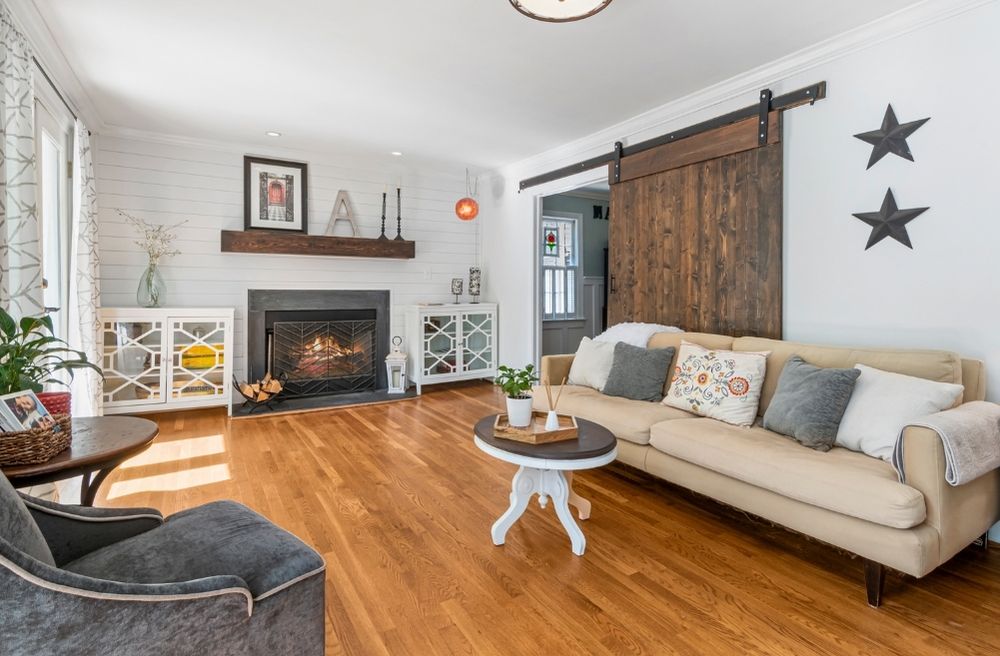
People notice the atmosphere of a home long before they notice decorative details.
Soft lighting, comfortable seating, pleasant room temperature, and gentle background music all contribute to a welcoming environment.
There’s no need to overwhelm the space with strong fragrances or excessive decorations.
Instead, focus on creating an atmosphere that feels calm, inviting, and easy to enjoy.
When guests feel physically comfortable, they relax emotionally as well.
Make Every Guest Feel Seen

One of the greatest compliments a host can receive is hearing someone say, “I felt so comfortable at your house.”
That feeling often comes from being acknowledged rather than entertained.
As guests arrive, avoid focusing all your attention on one person. Make eye contact with everyone, include quieter guests in conversations, and greet each arrival with the same warmth.
Even if several people arrive at once, taking a few extra moments to welcome each person individually helps everyone feel valued.
For guests staying overnight, remembering the small details that make a room comfortable is another way to show you care, and Guest Room Essentials Every Host Should Have offers a helpful guide to those details.
Introduce Guests Who Haven’t Met Before

Bringing people together is one of the most rewarding parts of hosting, but introductions deserve more than a quick exchange of names.
Help guests find common ground by sharing a little background about each person. You might mention a shared hobby, similar career, favourite travel destination, or mutual friend. These small details make it much easier for conversations to begin naturally.
After making the introduction, give guests a chance to continue talking without stepping in too often. A good introduction opens the door, but genuine conversations grow on their own.
If a conversation needs a little encouragement, How to Start Conversations at Dinner Parties offers ideas for helping people find common ground without making the interaction feel forced.
Give Guests Time to Settle In

Not everyone feels comfortable the moment they walk through the door. Some people enjoy chatting right away, while others need a few minutes to adjust to a new environment.
Avoid overwhelming guests with too many questions or trying to entertain them every second. Give them time to look around, enjoy a drink, and ease into conversations at their own pace.
A relaxed beginning often leads to a more enjoyable gathering for everyone.
Some guests may need more time before joining a conversation, so How to Include Quiet Guests in Group Conversations can help you make space for them without putting them on the spot.
Keep Distractions to a Minimum

Your guests have come to spend time with you, so try to be fully present.
Silence your phone, turn off unnecessary notifications, and avoid constantly leaving the room to deal with small household tasks. If you need to check on food in the kitchen, return as soon as you can instead of staying away for long periods.
Your attention helps guests feel valued, and that’s something they will remember long after the gathering ends.
Being attentive to the people you’ve invited is also an important part of good hosting etiquette, and Hosting Etiquette Every Host Should Know explores other habits that help guests feel respected.
Be Ready for Unexpected Arrivals or Delays

If unexpected changes often leave you feeling overwhelmed, Why Your Parties Feel Stressful Instead of Fun explores some of the habits that can make hosting feel harder than it needs to be.
Hosting doesn’t always go exactly as planned.
Someone may arrive earlier than expected, another guest could get delayed in traffic, or plans might change at the last minute. Staying calm helps everyone else stay relaxed too.
If guests arrive early, welcome them warmly instead of apologizing because every detail isn’t finished. Invite them to sit down, offer a drink, and enjoy a conversation while you complete any final touches.
A flexible attitude creates a comfortable atmosphere, even when the schedule changes.
Looking for an easy way to stay organized before guests arrive? Our Complete Home Entertaining Checklist walks you through every stage of preparation so you can host with confidence and avoid last-minute stress.
Make Your Home Easy to Navigate
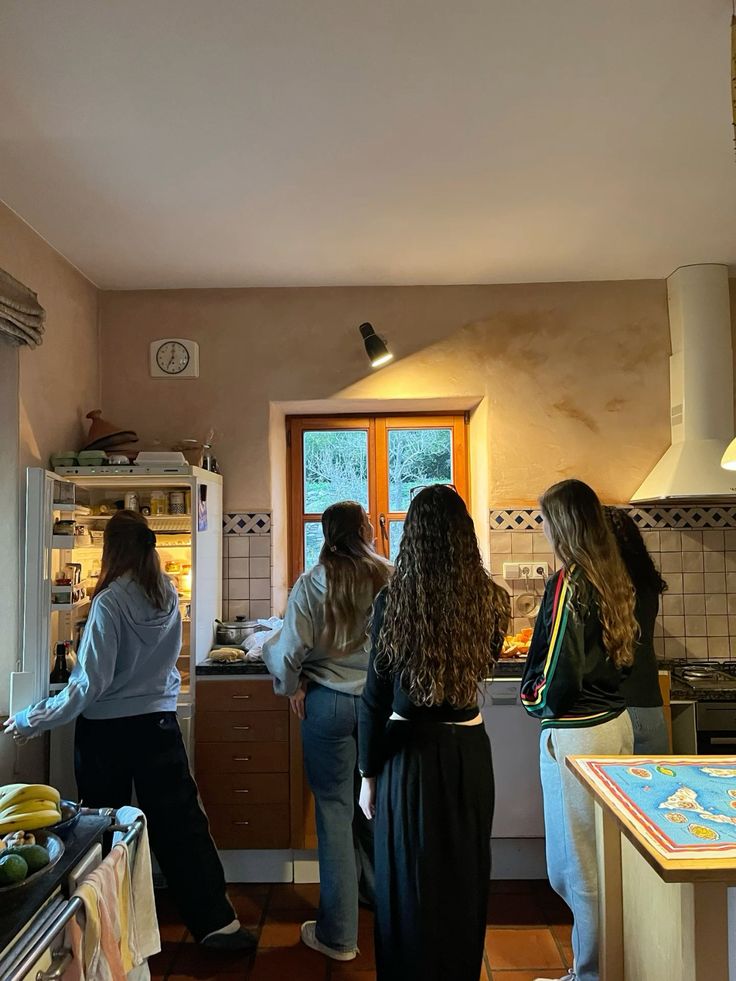
Guests shouldn’t have to guess where they can sit or search for basic necessities.
After welcoming everyone, point out important areas naturally during conversation. Let them know where the bathroom is, where coats have been placed, or where they can find water if they’d like another drink later.
These simple directions help guests feel more at home because they know they can move around comfortably without asking for permission each time.
Read the Room
Every gathering has its own rhythm.
Some groups enjoy lively conversations that fill the room with laughter, while others prefer quieter discussions over a relaxed meal. Paying attention to your guests helps you respond naturally instead of following a rigid plan.
If people are enjoying a conversation, there’s no need to interrupt it because dinner is ready a few minutes earlier than expected. Likewise, if the energy begins to slow, introducing dessert or suggesting a simple activity can gently refresh the atmosphere.
Hosting becomes much easier when you work with the mood of the room instead of trying to control it.
Learning to recognize when a gathering is naturally winding down can also help you manage the evening gracefully, and How to Politely End a Party without Annoying Guest offers practical advice on bringing a party to a considerate close.
Avoid These Common Hosting Mistakes

Good intentions don’t always create a welcoming experience. Sometimes small habits can unintentionally make guests feel uncomfortable.
Apologizing constantly for tiny imperfections often draws attention to things nobody noticed.
Following guests around the house can make them feel watched instead of relaxed.
Spending the entire gathering in the kitchen leaves visitors feeling as though they’re interrupting your work.
Checking your phone repeatedly may also give the impression that your attention is somewhere else.
Focusing on genuine connection instead of perfection helps avoid these mistakes naturally.
Small habits can sometimes affect how visitors experience your home, and 15 Reasons Guests Might Not Enjoy Visiting Your Home (and Easy Ways to Fix Them) explores other common problems and how to address them.
Small Touches That Leave a Lasting Impression
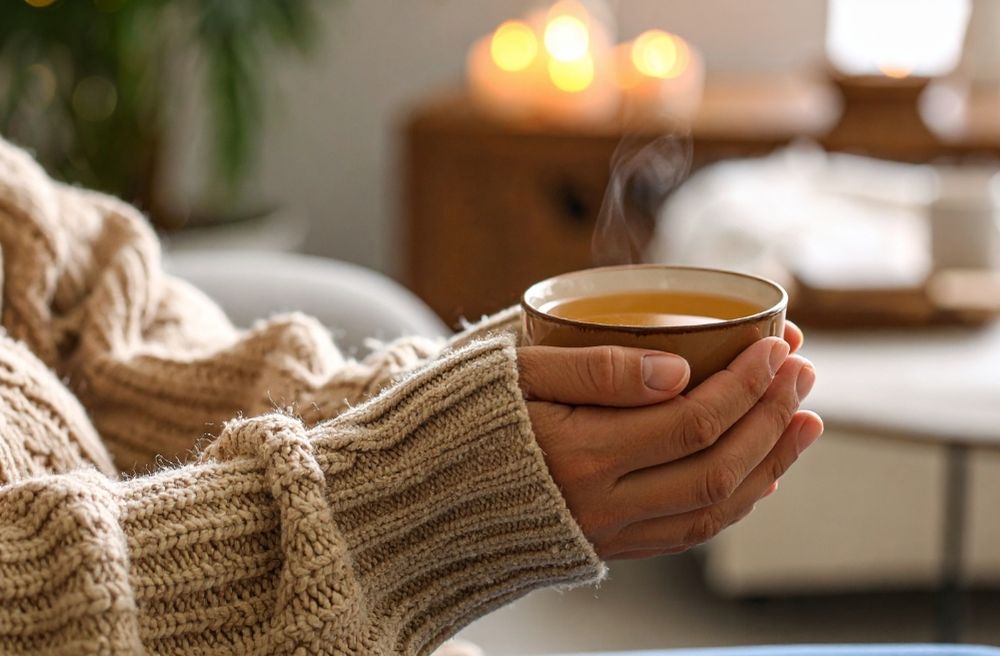
People rarely remember every detail of a meal, but they often remember thoughtful gestures.
Greeting guests by name, remembering their favourite drink, asking about something they mentioned during a previous conversation, or preparing a comfortable seat for an older family member all show genuine care.
These moments don’t require a large budget or elaborate planning. They simply show that you’ve paid attention to the people you’ve invited into your home.
Thoughtfulness is one of the qualities that separates a good host from a truly memorable one.
Thoughtful details are what people remember most. For more practical ideas, explore our 25 Easy Ways to Become a Better Host, where you’ll find simple habits that help every guest feel appreciated and comfortable.
Make Saying Goodbye Feel Just as Warm
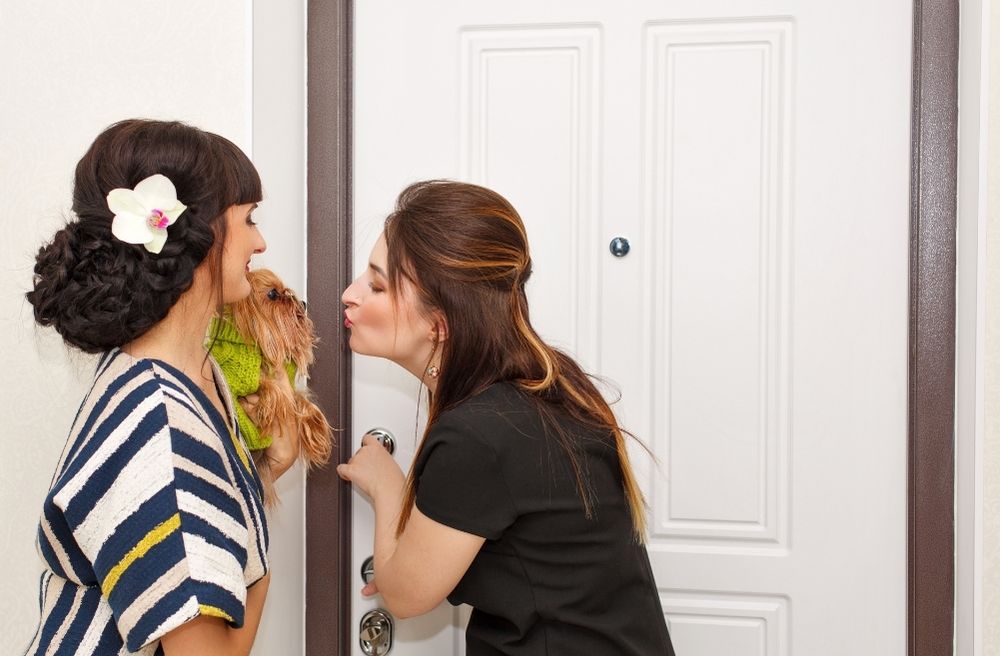
A welcoming arrival is important, but a thoughtful goodbye leaves the final impression.
As guests prepare to leave, thank each person for coming and let them know how much you enjoyed spending time together. Walk them to the door if possible and wish them a safe journey home.
If someone brought a gift or helped during the gathering, express your appreciation before they leave.
A sincere farewell helps the entire experience end on the same warm note that it began.
Genuine Hospitality Begins With Simple Acts of Kindness

These seemingly small gestures can have a lasting emotional impact, and The Psychology Behind Memorable Hospitality explores why thoughtful hospitality can make people feel genuinely valued.
Learning how to make guests feel welcome doesn’t require expensive decorations, professional entertaining skills, or a perfectly prepared home.
It begins with simple acts of kindness that help people feel relaxed, appreciated, and comfortable from the moment they arrive.
A warm greeting, thoughtful introductions, a comfortable place to sit, and genuine attention often mean far more than an elaborate menu or carefully planned decorations. These are the moments guests remember because they reflect the way you made them feel.
The more you practise these habits, the more natural they become. Over time, welcoming guests won’t feel like a long list of tasks to complete.
Instead, it will become a genuine expression of hospitality that people look forward to experiencing every time they visit your home.




22 Comments