

The Ultimate Beginner’s Guide to Entertaining at Home
Disclosure: Some of the links in this post are affiliate links. This means if you click on the link and purchase an item, I will receive an affiliate commission at no extra cost to you.
There’s a reason some of our happiest memories happen around a dining table, on a cozy patio, or in a living room filled with laughter. Hosting for the first time can feel overwhelming, which is exactly why this beginner’s guide to entertaining at home focuses on the simple things that make guests feel welcome. You don’t need a picture-perfect home or an elaborate menu, just a genuine desire to bring people together and make them feel at ease.
That’s the heart of entertaining at home.
If you’re new to hosting, though, it probably doesn’t feel that simple. You may be wondering where to start, what to serve, how many people to invite, or if your home is “good enough” for guests. You might even worry that something will go wrong and leave everyone wishing they’d stayed home instead.
The truth is, every experienced host was once a beginner.
No one instinctively knows how to plan a gathering, keep conversations flowing, or make guests feel at ease. Those are skills that develop over time, and like any skill, they become easier with practice.
The encouraging news is that entertaining at home isn’t about creating a perfect experience. It’s about creating a welcoming one. People don’t expect perfection when they accept an invitation into your home.
They simply want to spend time with you, enjoy good company, and leave feeling glad they came.
If the thought of welcoming people into your home still feels overwhelming, these practical tips on How to Host Guests Without Feeling Stressed can help you approach your next gathering with greater confidence.
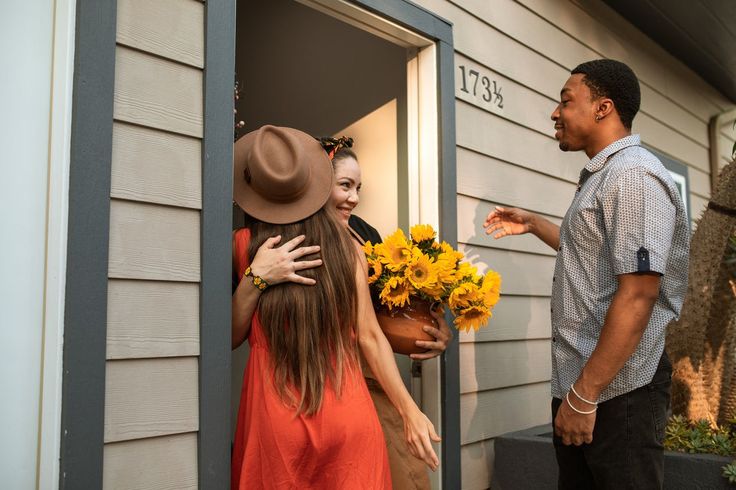
If you’re planning your first dinner party, inviting friends over for brunch, or hosting family for a holiday meal, this guide will walk you through the essentials.
You’ll learn how to plan with confidence, prepare your home, welcome guests warmly, and host gatherings that feel relaxed, enjoyable, and memorable for both your guests and yourself.
Why Entertaining at Home Is About More Than Hosting a Meal

Many people think entertaining begins and ends with food. While sharing a meal is often part of the experience, entertaining is really about bringing people together.
A simple evening with homemade pasta and easy conversation can be far more memorable than an elaborate five-course dinner where everyone feels formal and uncomfortable.
Guests usually remember how they felt in your home long after they’ve forgotten what was served.
Think about the gatherings you’ve enjoyed most. Chances are, you remember laughing over funny stories, discovering something new about a friend, or staying longer than you planned because the atmosphere felt so inviting.
Those moments happen because someone intentionally created an environment where people could connect.
That’s what entertaining is all about.
Once you shift your focus from impressing people to making them feel welcome, hosting becomes much less stressful. Instead of worrying about whether every detail is perfect, you begin paying attention to what truly matters comfort, hospitality, and genuine connection.
This mindset also makes entertaining more accessible. You don’t need an oversized dining room, expensive furniture, or a professional kitchen to be a wonderful host.
A clean, welcoming home and a thoughtful attitude are often all that’s needed to create a memorable gathering.
Understanding The Psychology Behind Memorable Hospitality can help you see why guests often remember the warmth and emotional comfort of a gathering long after the meal itself.
Start Small Instead of Trying to Do Everything at Once

One of the biggest mistakes first-time hosts make is trying to recreate the kinds of parties they see online.
Beautifully styled tables, elaborate menus, and perfectly coordinated décor can be inspiring, but they shouldn’t become the standard you measure yourself against.
Social media often shows the finished result, not the hours of preparation, the unexpected setbacks, or the help behind the scenes.
Your first gathering doesn’t need to be elaborate to be successful.
In fact, starting small is one of the smartest decisions you can make.
Invite two or three close friends over for coffee. Host a relaxed Sunday lunch with family. Plan a simple game night with neighbors. Smaller gatherings allow you to focus on learning the basics without feeling overwhelmed.
They also give you the chance to discover your own hosting style.
Some people enjoy preparing meals from scratch and spending time in the kitchen. Others prefer serving simple dishes so they can spend more time talking with their guests.
Some hosts love decorating for every occasion, while others create warm, welcoming spaces with very little effort.
There isn’t a single right way to entertain.
As you host more often, you’ll naturally become more confident and develop routines that work for your home, your schedule, and your personality.
As you gain experience, these 25 Easy Ways to Become a Better Host can give you practical ideas for improving your approach without making every gathering more complicated.
Planning Ahead Is the Secret to Stress Free Hosting

Ask experienced hosts what makes entertaining easier, and many will give the same answer: preparation.
Most hosting stress doesn’t come from the gathering itself. It comes from trying to do everything at the last minute.
Planning ahead allows you to enjoy your guests instead of rushing between the kitchen, the dining table, and the front door.
Begin by deciding what kind of gathering you’re hosting. Is it a casual dinner, a birthday celebration, a weekend brunch, or a holiday meal? Knowing the purpose of the event helps guide every other decision you’ll make.
Next, think carefully about your guest list.
The number of people you invite influences everything from seating arrangements to food quantities and the overall atmosphere. Beginners often find smaller groups easier to manage because conversations flow more naturally and preparation feels less overwhelming.
Once you’ve chosen a date, send invitations early enough that guests can plan ahead. Whether you invite people by text message, phone call, or digital invitation, giving them plenty of notice shows consideration and increases the likelihood that they’ll be available.
As the date approaches, create a simple preparation timeline rather than leaving everything until the final day.
You might clean the living room a few days beforehand, shop for groceries two days before the gathering, prepare desserts the night before, and set the table on the morning of the event.
Breaking larger tasks into smaller ones makes hosting feel far more manageable.
For a more detailed breakdown of the tasks to complete before your gathering, use The Complete Home Entertaining Checklist to keep your preparations organized.
Creating a Home Where Guests Feel Comfortable

A welcoming home isn’t defined by expensive décor or perfectly styled shelves. It’s defined by the way people feel when they walk through the front door.
Before guests arrive, take time to focus on the areas they’ll actually use. The entryway, living room, dining area, and bathroom deserve the most attention because these are the spaces where people will spend most of their time.
A quick declutter can make an enormous difference. Clearing unnecessary items from tables, countertops, and walkways instantly makes a home feel calmer and more spacious.
Cleanliness matters too, but perfection isn’t the goal.
Your guests aren’t coming to inspect your baseboards or check whether every cushion is perfectly arranged. They’re coming to spend time with you.
Fresh towels in the bathroom, enough toilet paper, empty trash bins, and a tidy dining table often make a much bigger impression than expensive decorations.
Comfort is equally important.
Make sure everyone has somewhere to sit without feeling cramped. If you’re expecting several guests, think about how people will move between rooms and whether conversations can happen comfortably without everyone talking over one another.
Small details also contribute to the atmosphere. Fresh flowers from the grocery store, a bowl of seasonal fruit, soft lighting, or gentle background music can make your home feel warm without requiring a large budget.
These thoughtful touches quietly communicate that you’ve prepared for your guests and that you’re genuinely happy to have them there.
If you want to make an especially good first impression, How to Make Guests Feel Welcome the Moment They Arrive offers more ideas for helping visitors feel comfortable from the moment they step inside.
Plan a Menu That Lets You Enjoy the Gathering

One of the easiest ways to make entertaining stressful is by choosing food that requires constant attention after your guests arrive.
Many beginners believe they need to prepare multiple complicated dishes to impress people, but experienced hosts know something different.
Simple food served with confidence almost always creates a better experience than an overly ambitious menu that leaves the host exhausted and unavailable.
Choose recipes you’ve made before whenever possible. Familiar dishes allow you to cook with confidence and reduce the chances of unexpected surprises.
It’s also helpful to prepare as much as you can in advance. Chop vegetables earlier in the day, set out serving dishes before guests arrive, and choose desserts that can be made ahead of time.
Doing this gives you something far more valuable than an impressive menu it gives you time.
Time to greet guests without rushing.
You’ll finally have the chance to sit at the table instead of constantly checking the oven.
Better yet, you can join conversations, laugh at stories, and actually enjoy the gathering you’ve worked so hard to plan.
After all, your guests came to spend time with you, not to watch you cook all evening.
You can serve an impressive meal without spending excessively, as How to Host an Elegant Dinner Party for Under $100 demonstrates with ideas for creating a polished dining experience on a realistic budget.
Welcoming Guests in a Way That Feels Genuine

The moment your guests arrive often sets the tone for the rest of the gathering. Long before anyone notices your table décor or compliments the meal, they’ll notice how you made them feel at the door.
A warm smile, a sincere greeting, and genuine excitement to see them can instantly make people feel at ease. Those first few minutes help guests settle in and leave behind whatever stress they may have carried with them.
After welcoming everyone, offer to take coats or bags if needed and show guests where they can place their belongings.
If it’s their first time visiting your home, point out where the bathroom is and let them know they can help themselves to water or other refreshments throughout the visit.
These simple gestures remove uncertainty. Guests don’t have to keep asking where things are or wonder whether they’re allowed to make themselves comfortable.
If people at your gathering haven’t met before, take a moment to introduce them thoughtfully. Rather than simply mentioning names, include something they might have in common or a shared interest that could naturally lead to conversation.
Helping people connect is one of the most valuable things a host can do.
When you’re welcoming people who haven’t visited before, How to Make New Guests Feel Like Old Friends can help you create a more personal and comfortable experience.
Create an Atmosphere Where Everyone Feels Included

A successful gathering isn’t measured by how expensive the decorations are or how elaborate the menu looks. It’s measured by whether people leave feeling included, relaxed, and appreciated.
As conversations begin, pay attention to the dynamics within the room.
Sometimes one or two people naturally dominate discussions while quieter guests struggle to find an opportunity to contribute. As the host, you can gently guide conversations by inviting others to share their thoughts without putting anyone on the spot.
For more specific ways to help quieter visitors participate comfortably, explore How to Include Quiet Guests in Group Conversations.
Simple questions such as asking about a recent trip, a new hobby, or an upcoming event can help quieter guests become part of the discussion naturally.
It’s equally important to avoid turning every conversation into an interview. Give people room to speak, respond with genuine interest, and allow discussions to develop naturally.
Good hosts understand that meaningful conversations can’t be forced. They simply create an environment where conversations have space to grow.
When your guest list includes people from different parts of your life, How to Introduce Guests Who Don’t Know Each Other can help you make introductions that encourage natural conversation.
Remember That You Don’t Have to Entertain Every Minute

One common misconception among first-time hosts is believing they’re responsible for constantly entertaining their guests.
In reality, your guests don’t expect a carefully planned schedule from beginning to end.
Once everyone feels comfortable, conversations often take on a life of their own. Friends begin sharing stories, family members catch up on recent events, and laughter naturally fills the room.
Allow those moments to happen.
Instead of worrying about whether everyone is having enough fun every second, focus on being present.
Sit down.
Join the conversation.
Laugh along with everyone else.
Sometimes the most memorable part of an evening isn’t the activity you planned but the unexpected conversations that continue around the table long after the meal has ended.
A thoughtfully chosen background playlist can help maintain a relaxed atmosphere without requiring you to plan an activity for every moment, and The Best Music Playlist Ideas for Hosting offers inspiration for choosing the right sound.
Handling Small Hosting Challenges With Confidence

Every host encounters unexpected situations.
Perhaps dinner takes longer to cook than expected. Someone accidentally spills a drink. A guest arrives later than planned, or the weather changes your outdoor gathering into an indoor one.
These moments can feel stressful if you’re hosting for the first time, but they rarely ruin the experience.
What matters most is how you respond.
If you stay calm, your guests are likely to remain relaxed as well. Most people understand that real life doesn’t always go exactly as planned, and they’re usually far more understanding than hosts imagine.
Instead of apologizing repeatedly, simply adjust and move forward.
If dinner needs another fifteen minutes, serve a few snacks and continue chatting.
If something spills, clean it up without making it a bigger issue than it needs to be.
Flexibility is one of the qualities that separates confident hosts from anxious ones.
If hosting regularly leaves you feeling exhausted instead of excited, Why Your Parties Feel Stressful Instead of Fun can help you identify habits that may be making your gatherings harder than necessary.
Hosting Etiquette Every Beginner Should Know

Good hosting etiquette isn’t about following complicated rules. It’s about showing consideration for the people you’ve invited into your home.
One of the simplest ways to do this is by respecting your guests’ time. If you’ve invited everyone for dinner at seven, aim to have the meal ready within a reasonable timeframe.
While small delays are understandable, consistently keeping people waiting can make gatherings feel disorganized.
Another important habit is paying attention to individual needs.
Some guests enjoy lively conversation, while others appreciate quieter moments. Some may need a comfortable chair, extra assistance, or a little more personal space.
Being observant allows you to respond to these needs naturally without making anyone feel singled out.
It’s also helpful to avoid criticizing your own home throughout the gathering.
Many hosts apologize for things guests never even notice.
Rather than pointing out every imperfection, welcome compliments graciously and allow people to simply enjoy being there.
Confidence is often more welcoming than perfection.
As you become more comfortable entertaining, Hosting Etiquette Every Host Should Know can help you develop considerate habits that make gatherings more enjoyable for everyone.
Mistakes Every Beginner Can Avoid

No host gets everything right every time, but there are a few common mistakes that are easy to avoid.
Trying to do everything yourself is one of them.
If family members or close friends offer to help set the table, refill drinks, or clear dishes, don’t feel obligated to refuse every offer. Accepting help allows you to spend more time enjoying the gathering and often makes guests feel more involved.
Another mistake is planning too much.
An overloaded schedule filled with activities can leave everyone feeling rushed. Leave room for spontaneous conversations and unexpected moments.
Many beginners also prepare far more food than necessary because they’re worried about running out.
While it’s always wise to have enough for everyone, remember that generous hospitality isn’t measured by the number of dishes on the table. A thoughtfully prepared meal shared in good company is more than enough.
Finally, don’t compare your gatherings to the carefully edited images you see online.
Real homes have personality.
Real gatherings are occasionally messy.
And real memories are rarely picture-perfect.
They’re genuine.
It can also help to understand 15 Reasons Guests Might Not Enjoy Visiting Your Home (and Easy Ways to Fix Them), especially when you want to spot small problems that could affect your visitors’ comfort.
Building Confidence as a Host

Like cooking, decorating, or learning any new skill, entertaining becomes easier every time you do it.
Your first gathering may teach you to prepare more food ahead of time.
The next one might show you a better seating arrangement.
Another may help you discover that simple menus create less stress and more conversation.
Each experience builds confidence.
As your confidence grows, How to Be a Memorable Host can help you focus on the thoughtful details that make people look forward to visiting again.
Eventually, you’ll stop worrying about whether everything is perfect and start focusing on what truly matters bringing people together.
That’s when entertaining begins to feel less like a task and more like something you genuinely enjoy.
For more ideas on developing the habits that make people enjoy spending time in your home, read How to Become the Host Everyone Loves Visiting.
Over time, guests won’t remember every menu you served or every decoration you used.
They’ll remember your kindness, feeling welcome, and will definitely look forward to the next invitation.
And that’s one of the greatest compliments any host can receive.
Entertaining at home isn’t about creating flawless events or impressing everyone who walks through your front door. It’s about opening your home with generosity, creating space for meaningful connections, and making people feel like they belong.
When you want to make those shared moments even more enjoyable, Conversation Starters That Actually Get People Talking can give you fresh ideas for encouraging lively, meaningful discussions around the table.
As a beginner, you don’t need years of experience or a perfectly styled home to host successfully. You simply need a willingness to welcome others with warmth and authenticity.
Start small, learn from each gathering, and allow your confidence to grow with every invitation you extend.
Before long, entertaining won’t feel intimidating it will become one of the most rewarding ways to strengthen relationships and create memories that both you and your guests will cherish for years to come.




10 Comments