

25 Easy Ways to Become a Better Host
Disclosure: Some of the links in this post are affiliate links. This means if you click on the link and purchase an item, I will receive an affiliate commission at no extra cost to you.
Hosting isn’t about having the biggest house, the fanciest furniture, or a menu worthy of a five-star restaurant. The ways to become a better host are often much simpler than people imagine. Guests rarely remember whether your table decorations matched perfectly or if every dish was homemade. They remember how comfortable they felt, how warmly they were welcomed, and how enjoyable it was spending time in your home.
Many people hesitate to invite others over because they worry they won’t measure up. They spend hours cleaning, second-guessing their menu, or wondering if their home is “good enough.” While it’s natural to want everything to go smoothly, putting too much pressure on yourself can take away the joy of hosting.
The truth is that being a great host is a skill anyone can develop. It isn’t about perfection. It’s about paying attention to the little things that help people feel relaxed, valued, and genuinely happy to be there.
If you’re planning a casual coffee date, a family dinner, or a holiday celebration, these simple tips will help you host with greater confidence and create gatherings your guests will look forward to attending again.
1. Welcome Guests With Genuine Enthusiasm

The moment your guests arrive, they begin forming an impression of the experience ahead. A warm welcome immediately puts people at ease and helps them feel that they’re genuinely wanted in your home.
You don’t need a rehearsed speech or grand gesture. A sincere smile, friendly eye contact, and a cheerful greeting are often all it takes.
If you’re still putting the finishing touches on a meal or setting out a few last items, don’t let that distract you from greeting your guests properly.
Pause what you’re doing for a moment, welcome them in, and make them feel like they’re your priority. That simple act sets a positive tone for the rest of the gathering.
2. Prepare Before Guests Arrive

Good preparation allows you to enjoy your own gathering instead of constantly rushing from one task to another. The more you can accomplish before guests arrive, the more relaxed you’ll feel once the doorbell rings.
Try to prepare ingredients ahead of time, set the table, chill drinks, and tidy the areas your guests will use most. Even small jobs completed the day before can make hosting feel much less overwhelming.
Preparation also gives you something many hosts forget to schedule: a few quiet minutes for yourself before everyone arrives. Taking that short break can help you welcome guests feeling calm instead of flustered.
If you’re new to entertaining, our Ultimate Beginner’s Guide to Entertaining at Home walks you through everything from planning your gathering to creating a welcoming atmosphere, making it the perfect starting point before putting these hosting tips into practice.
3. Keep Your Home Comfortable, Not Perfect

Many people delay inviting others over because they think their home isn’t perfect enough. In reality, your guests are much more interested in spending time with you than inspecting every corner of your house.
Instead of worrying about perfection, focus on comfort. Clear away unnecessary clutter, make sure seating is comfortable, and tidy the main spaces where people will gather.
These simple efforts create a welcoming environment without leaving you exhausted before the evening even begins.
Remember that a home with warmth and personality always feels more inviting than one that looks untouched but lacks genuine hospitality.
4. Plan a Menu You Can Prepare With Confidence

Choosing the right menu can make the difference between enjoying your guests and spending the evening worrying in the kitchen. The best hosting meals are often the ones you’ve prepared successfully before.
There’s nothing wrong with serving simple food if it’s delicious and thoughtfully prepared. A comforting pasta dish, homemade soup, or grilled chicken with fresh sides can impress guests far more than a complicated recipe that causes unnecessary stress.
Whenever possible, prepare dishes that can be made ahead of time. This gives you more opportunities to sit down, join conversations, and enjoy the company you’ve invited into your home.
5. Think About Your Guests’ Needs

Thoughtful hosts pay attention to details that make guests feel comfortable and included. Before planning your menu, consider whether anyone has allergies, dietary restrictions, or personal preferences that should be taken into account.
The same thoughtfulness applies beyond food. If elderly relatives are visiting, make sure seating is comfortable.
If young children are coming, think about simple activities that will keep them entertained. Overnight guests will appreciate fresh towels, clean bedding, and a little extra space to settle in.
Small acts of consideration communicate something important: you’ve prepared with your guests in mind.
6. Create a Relaxing Atmosphere
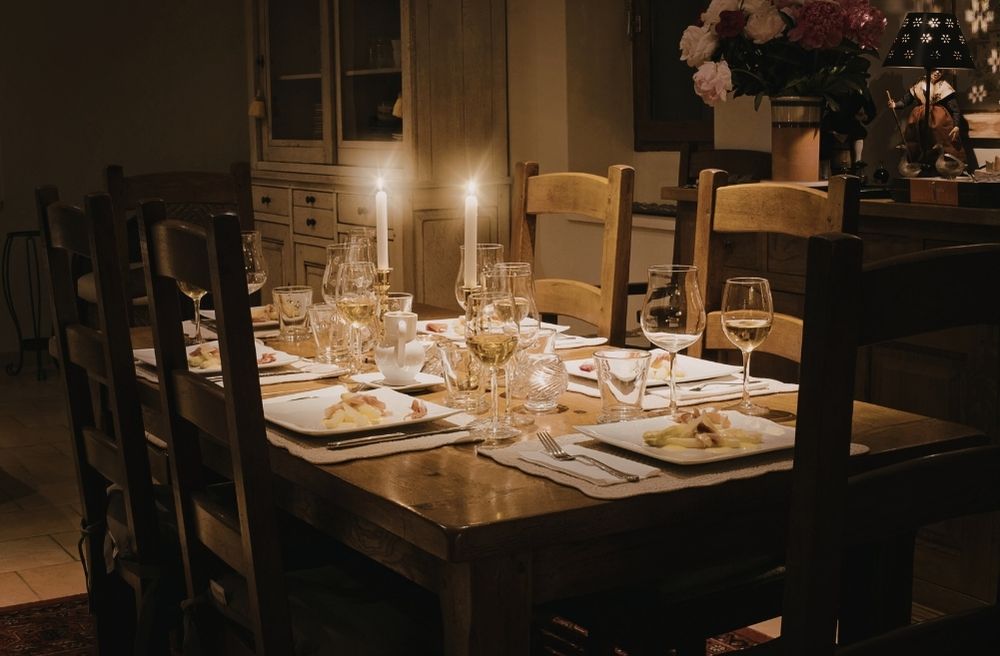
People remember how your home made them feel far more than they remember expensive decorations. A welcoming atmosphere encourages guests to settle in, relax, and enjoy themselves from the moment they arrive.
Natural light during the day, warm lighting in the evening, soft background music, and comfortable seating all help create an inviting space. Fresh flowers, candles, or a pleasant home fragrance can also add warmth without feeling overwhelming.
The goal isn’t to impress people with luxury. It’s to create an environment where everyone feels comfortable enough to enjoy each other’s company.
7. Introduce Guests to One Another

When people don’t know each other, introductions can sometimes feel awkward. As the host, you have the opportunity to make those first conversations much easier.
Instead of introducing guests with only their names, mention something they share. It might be a hobby, profession, travel destination, or mutual interest.
Giving people an easy starting point often leads to natural conversations that continue throughout the gathering.
Taking a few moments to connect people shows that you’re paying attention to everyone in the room, not just managing the event itself.
8. Put Your Phone Away

One of the simplest ways to become a better host is to be fully present. Constantly checking your phone can unintentionally make guests feel as though your attention is somewhere else.
Unless you’re expecting an important call, place your phone on silent and keep it out of sight. Give your guests your full attention during conversations, meals, and shared activities.
Being present helps people feel heard, appreciated, and valued. Those moments of genuine connection are often what guests remember long after the gathering has ended.
9. Offer Food and Drinks Early

Guests often feel more comfortable once they’ve been offered something to eat or drink. Even if the main meal isn’t quite ready, offering a refreshing drink or a small snack helps everyone settle in.
Keep the choices simple. Water, juice, tea, coffee, or a signature drink paired with light appetizers creates a welcoming start without requiring a great deal of effort.
These first few minutes also give guests something to enjoy while conversations begin naturally.
10. Don’t Apologize for Every Small Imperfection

Many hosts have a habit of pointing out flaws before anyone else notices them.
You might apologize because dinner is running a few minutes late, the cake isn’t decorated perfectly, or the table setting isn’t exactly how you imagined it. More often than not, your guests hadn’t even noticed these things until you mentioned them.
Instead of apologizing repeatedly, focus on enjoying the time together. Confidence is contagious. When you remain relaxed, your guests usually do the same.
Remember that people are visiting because they enjoy your company, not because they expect perfection.
11. Make Conversation Easy

A memorable gathering is built on good conversations. While some guests naturally enjoy talking, others may appreciate a little encouragement before joining in.
Ask open-ended questions that invite people to share stories rather than simple yes-or-no answers. Topics such as travel, favourite family traditions, hobbies, books, or memorable experiences often lead to engaging discussions.
As the conversation develops, allow it to flow naturally. You don’t need to lead every discussion. Sometimes simply listening carefully is one of the best ways to make guests feel comfortable.
12. Give Guests Space to Feel at Home

Being attentive doesn’t mean following your guests around the house or asking every few minutes if they need something.
After welcoming them, let them know where they can find the bathroom, offer another drink when appropriate, and encourage them to make themselves comfortable.
People usually relax more quickly when they don’t feel like they’re being watched or constantly waited on.
Creating that sense of freedom helps your home feel inviting rather than formal.
13. Stay Calm When Something Doesn’t Go as Planned

No gathering unfolds exactly as expected. Drinks spill, recipes take longer than planned, and guests sometimes arrive earlier or later than anticipated.
These moments don’t define your success as a host. Your response does.
When small problems arise, handle them calmly and keep the atmosphere light. Most guests won’t remember a delayed meal or a minor mishap. They’ll remember that you stayed positive and made everyone feel comfortable despite the unexpected.
Often, the stories people laugh about years later begin with something that didn’t go according to plan.
14. Let Guests Help if They Offer

Many hosts automatically refuse when someone offers to help. While the intention is kind, accepting a little assistance can actually make your guests feel more involved and relaxed.
If someone offers to carry drinks to the table, refill a serving dish, or help clear a few plates, let them. These are simple tasks that don’t interrupt the flow of the gathering, and they often create opportunities for casual conversation in the kitchen.
You don’t have to hand over every responsibility. The goal is simply to allow guests to contribute if they genuinely want to. Hospitality is about making people feel at home, and many people naturally enjoy lending a hand.
15. Be Flexible With Your Plans

No matter how carefully you organize a gathering, something may not go exactly as expected. A guest could arrive late, the weather might change your outdoor plans, or dinner could take a little longer to finish.
Instead of becoming frustrated, adjust your plans with a positive attitude. Most guests won’t notice minor changes unless you draw attention to them.
Flexibility helps everyone stay relaxed. When your guests see that you’re handling unexpected situations calmly, they’ll feel more comfortable doing the same.
Sometimes the most memorable gatherings are the ones that don’t follow the original plan perfectly.
If hosting sometimes feels overwhelming, read our How to Host Guests Without Feeling Stressed guide for practical strategies that help you stay organized, manage unexpected situations, and enjoy your gathering with confidence.
16. Keep the Music in the Background

Music can transform the atmosphere of your home, but it should never compete with conversation.
Choose songs that match the mood of the gathering and keep the volume low enough that guests can speak comfortably without raising their voices.
Soft jazz, acoustic music, instrumental playlists, or light background music often work well for casual entertaining.
As the gathering progresses, pay attention to the room. If conversations become more animated, there’s no need for louder music. The best playlist is one your guests barely notice because it quietly complements the experience.
17. Include Everyone in the Conversation

It’s common for outgoing guests to naturally lead discussions while quieter people listen from the sidelines. A thoughtful host notices this and helps everyone feel included.
If someone hasn’t had much chance to speak, invite them into the conversation with a simple question related to the topic being discussed. Keep it natural rather than putting them under pressure.
When every guest feels acknowledged, the gathering becomes more enjoyable for everyone. Small moments of inclusion often leave a lasting impression long after the event is over.
18. Dress for the Occasion

What you wear influences how you feel while hosting.
You don’t need formal clothes to welcome guests into your home, but wearing something clean, comfortable, and appropriate for the occasion helps you feel confident.
When you’re comfortable, you’re more likely to move around freely, enjoy conversations, and focus on your guests instead of adjusting uncomfortable clothing.
Your appearance also shows that you value the occasion. It’s another small detail that contributes to a welcoming atmosphere without requiring extra effort.
19. Have a Few Conversation Starters Ready

Even lively gatherings can have quiet moments. Having a few conversation starters prepared helps you keep the energy flowing without making conversations feel forced.
You could ask guests about a recent trip they enjoyed, a new hobby they’ve started, a book they couldn’t put down, or a favourite family tradition. Questions that invite stories usually encourage everyone to participate.
At the same time, avoid turning every silence into another question. Comfortable pauses are part of natural conversations, and sometimes they give guests the opportunity to introduce topics of their own.
20. Focus on the Experience Instead of Impressing People

It’s easy to compare your gatherings with beautifully styled photos online, but memorable hospitality has very little to do with expensive decorations or elaborate menus.
Most guests are looking forward to spending quality time together. They want to laugh, share stories, enjoy good food, and feel welcome. Those experiences create lasting memories far more than perfectly folded napkins or luxury tableware.
When you stop trying to impress people and start focusing on helping them feel comfortable, hosting becomes much more enjoyable for everyone, including you.
21. Respect Your Guests’ Time

Being considerate also means respecting the time your guests have set aside to spend with you.
If you’ve invited people for dinner, try to have the meal ready within a reasonable time. Long delays can leave guests wondering when they’ll finally eat or whether they should have arrived later.
Likewise, pay attention to the natural ending of the gathering. If guests begin collecting their belongings or mentioning early plans the next day, thank them sincerely for coming instead of encouraging them to stay much longer.
Ending on a positive note makes people more excited to accept your next invitation.
22. Show Appreciation for Your Guests
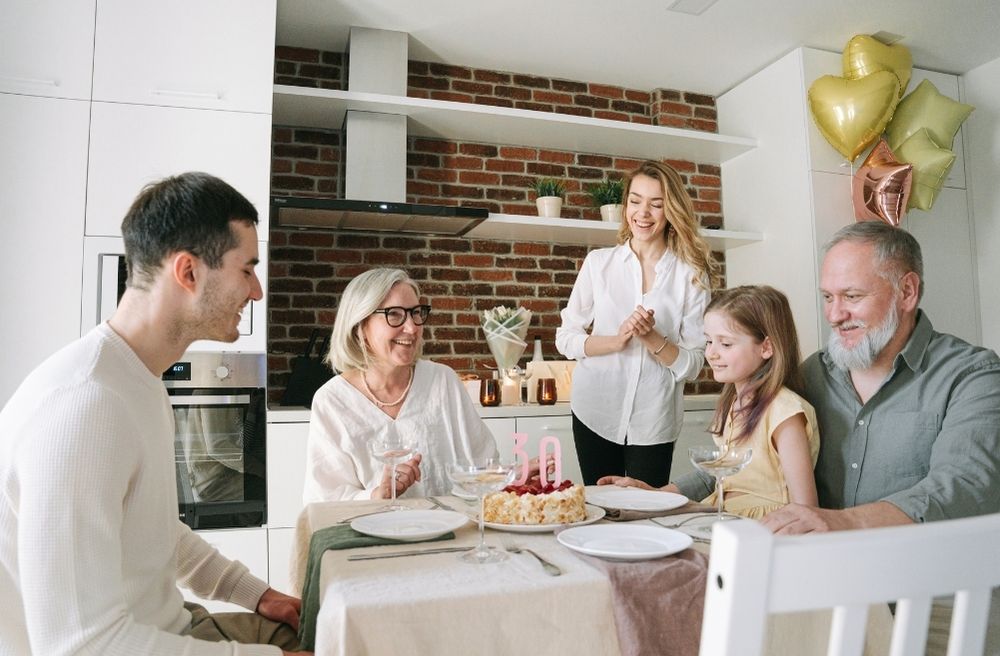
Every guest makes time in their schedule to spend time with you, and that deserves appreciation.
Thank people for coming before they leave. If someone brought flowers, dessert, or another thoughtful gift, let them know how much you appreciate the gesture.
A short message the following day is another thoughtful touch. Thanking your guests again lets them know you enjoyed their company and strengthens the relationships you’ve built.
Simple expressions of gratitude often mean more than grand gestures.
23. Learn From Every Gathering

No host gets everything perfect every time, and that’s completely normal.
After each gathering, spend a few minutes reflecting on what went well and what you’d like to improve. Perhaps guests loved one particular dish, or maybe preparing dessert ahead of time gave you more freedom to enjoy the evening.
These small lessons build your confidence over time. Each gathering becomes another opportunity to grow, making the next one feel easier and more enjoyable.
24. Remember That Guests Notice Kindness More Than Perfection

People rarely leave a gathering talking about matching plates or perfectly arranged centrepieces.
Instead, they remember how welcome they felt. They remember thoughtful conversations, genuine laughter, and the kindness they experienced throughout the evening.
Offering someone their favourite drink, remembering a personal detail they shared previously, or making sure everyone feels included often has a much greater impact than any decoration you could buy.
Kindness is one of the most memorable qualities any host can offer.
25. Enjoy the Time You Spend Together

One of the easiest mistakes hosts make is staying busy from beginning to end. They refill drinks, wash dishes, clear plates, and organize the kitchen while everyone else enjoys the gathering.
Give yourself permission to stop working for a while.
Sit down for the meal. Join the conversations. Laugh at the stories being shared around the table. These are the moments your guests came for, and they’re the moments you’ll remember too.
Hosting is about bringing people together, not about serving them every minute of the day. When your guests see you relaxed and enjoying yourself, they’ll usually feel even more comfortable.
Great Hosting Is Built One Gathering at a Time

Becoming a better host doesn’t happen because you master every decorating trend or prepare the most elaborate meals. It happens through small, thoughtful habits that make people feel welcome from the moment they arrive until the time they leave.
These ways to become a better host aren’t about striving for perfection. They’re about creating a home where guests feel comfortable, conversations happen naturally, and everyone enjoys being together.
You don’t have to apply all 25 tips at once. Start with a few that feel most natural to you and build from there.
Every gathering is an opportunity to grow in confidence, learn something new, and create meaningful memories with the people who matter most.
Over time, you’ll discover that the best hosts aren’t remembered for perfect table settings or expensive menus.
They’re remembered for the warmth they showed, the comfort they created, and the genuine joy they shared with every guest who walked through their door.







8 Comments