
The Complete Home Entertaining Checklist
Hosting at home can be one of the most rewarding ways to bring people together, but it also comes with plenty of moving parts. A well-planned home entertaining checklist helps you stay organized, avoid last-minute stress, and enjoy the gathering alongside your guests. Instead of scrambling to remember everything, you can focus on creating a warm, welcoming experience from start to finish.
Many hosts assume they need to do everything perfectly for guests to have a great time. In reality, successful entertaining is built on thoughtful preparation rather than perfection. A little planning before guests arrive often makes the difference between a relaxed evening and one that feels rushed.
This checklist walks you through every stage of hosting, from choosing a date and planning your menu to welcoming guests and wrapping up the evening. Use it as a guide before every gathering, and you’ll soon develop a hosting routine that feels natural and enjoyable.
Before You Start Planning
Decide on the Type of Gathering
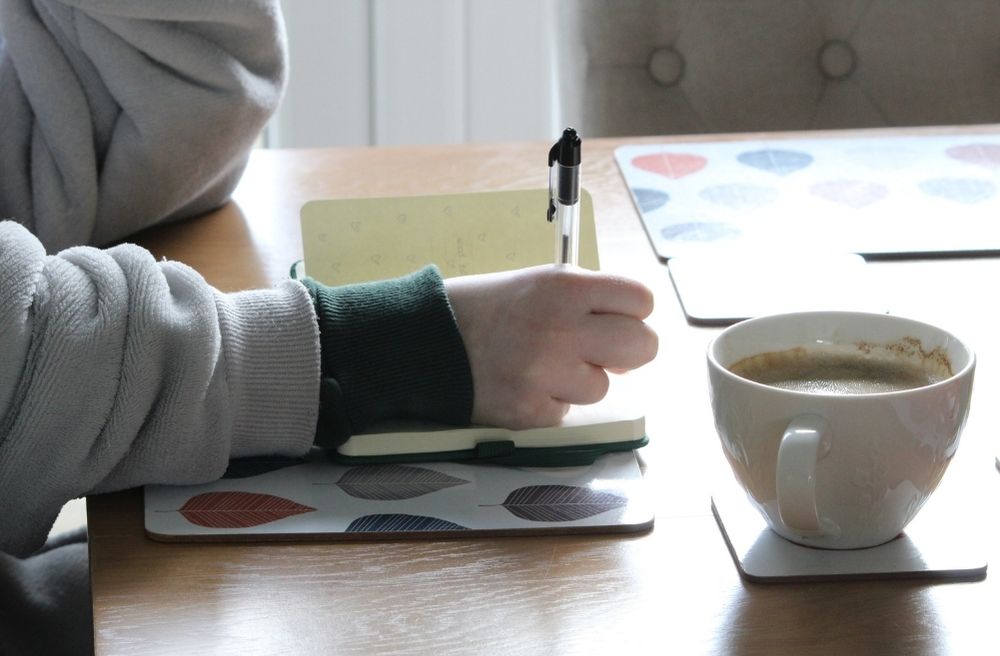
Every successful event begins with a clear purpose. Before making any plans, think about the kind of gathering you want to host.
Are you inviting close friends for a relaxed dinner, celebrating a birthday, hosting a holiday meal, or simply bringing family together for a weekend lunch? Knowing the purpose helps shape every decision that follows, including your guest list, menu, decorations, and schedule.
Keeping the occasion in mind also prevents unnecessary spending. A casual gathering doesn’t require the same level of preparation as a formal dinner party.
Checklist
✓ Decide why you’re hosting.
✓ Choose the style of gathering.
✓ Set a realistic budget.
Choose a Date and Time
Selecting the right date is more important than many people realize. Consider holidays, local events, and your guests’ schedules before sending invitations.
The time of day also influences your planning. Brunch, afternoon gatherings, dinner parties, and evening desserts each require different menus and levels of preparation.
Once you’ve settled on a date, try to stick with it. Changing plans repeatedly can make it difficult for guests to commit.
Checklist
✓ Pick a suitable date.
✓ Choose a start time.
✓ Estimate how long the gathering will last.
Create Your Guest List
A comfortable guest list is one that fits both your home and the type of gathering you’re planning.
Think about your available seating, dining space, and how well guests know one another. Inviting too many people can make the space feel crowded, while a thoughtfully sized group often encourages better conversations.
If you’re introducing people for the first time, consider inviting guests who have shared interests or personalities that are likely to connect well.
Checklist
✓ Write your guest list.
✓ Confirm how many people your home can comfortably accommodate.
✓ Consider any dietary requirements before finalizing invitations.
Send Invitations Early
People appreciate having enough notice to plan their schedules.
For casual gatherings, a week or two is often enough. Larger celebrations or holiday meals usually require more advance notice.
Your invitation doesn’t need to be elaborate. A friendly message that includes the date, time, location, and any helpful details is perfectly suitable.
Encourage guests to confirm their attendance so you can plan food and seating accurately.
Checklist
✓ Send invitations.
✓ Request RSVPs.
✓ Follow up with anyone who hasn’t responded.
If you’re just getting started with hosting, our Ultimate Beginner’s Guide to Entertaining at Home covers the fundamentals of planning a successful gathering and creating a welcoming experience for every guest.
Planning the Menu

Choose Dishes You Can Prepare Confidently
One of the biggest causes of hosting stress is attempting recipes you’ve never made before.
Instead, build your menu around dishes you already know and enjoy preparing. Familiar recipes reduce pressure and allow you to spend more time with your guests instead of troubleshooting in the kitchen.
If you’d like to try something new, limit it to one simple recipe while keeping the rest of the menu familiar.
Checklist
✓ Plan your main course.
✓ Choose side dishes.
✓ Decide on dessert.
Prepare Food in Advance
Good hosts understand that entertaining starts long before guests arrive.
Look through your menu and identify tasks you can complete the day before. Washing vegetables, preparing sauces, marinating meat, or baking desserts ahead of time saves valuable time on the day of the gathering.
The fewer jobs left for the final hour, the calmer you’ll feel when it’s time to welcome your guests.
Checklist
✓ Complete make-ahead recipes.
✓ Prepare ingredients.
✓ Label and store everything properly.
Plan Drinks for Every Guest
A thoughtful drink selection helps everyone feel included.
Offer a variety of choices, including water, soft drinks, tea, coffee, and any beverages appropriate for the occasion.
Remember to keep enough ice available if you’ll be serving chilled drinks.
Checklist
✓ Prepare cold drinks.
✓ Stock hot beverage supplies.
✓ Chill drinks before guests arrive.
Preparing Your Home

Focus on the Areas Guests Will Use
Cleaning your entire house isn’t always necessary.
Instead, concentrate on the spaces guests will actually see, such as the entrance, living room, dining area, kitchen, and bathroom.
A clean, organized environment immediately makes visitors feel more comfortable.
Don’t overlook small details like emptying bins, wiping mirrors, or placing fresh hand towels in the bathroom.
Checklist
✓ Clean shared spaces.
✓ Empty rubbish bins.
✓ Replace bathroom towels.
Arrange Comfortable Seating
People naturally spend more time talking when they’re comfortable.
Arrange chairs so guests can see and hear one another easily. Avoid layouts that isolate people or make conversations difficult.
If you’re expecting a larger group, consider bringing in additional chairs before guests arrive rather than searching for seating later.
Checklist
✓ Arrange seating.
✓ Check table space.
✓ Add extra chairs if needed.
Set the Table Beforehand
Setting the table early removes one more task from your schedule later in the day.
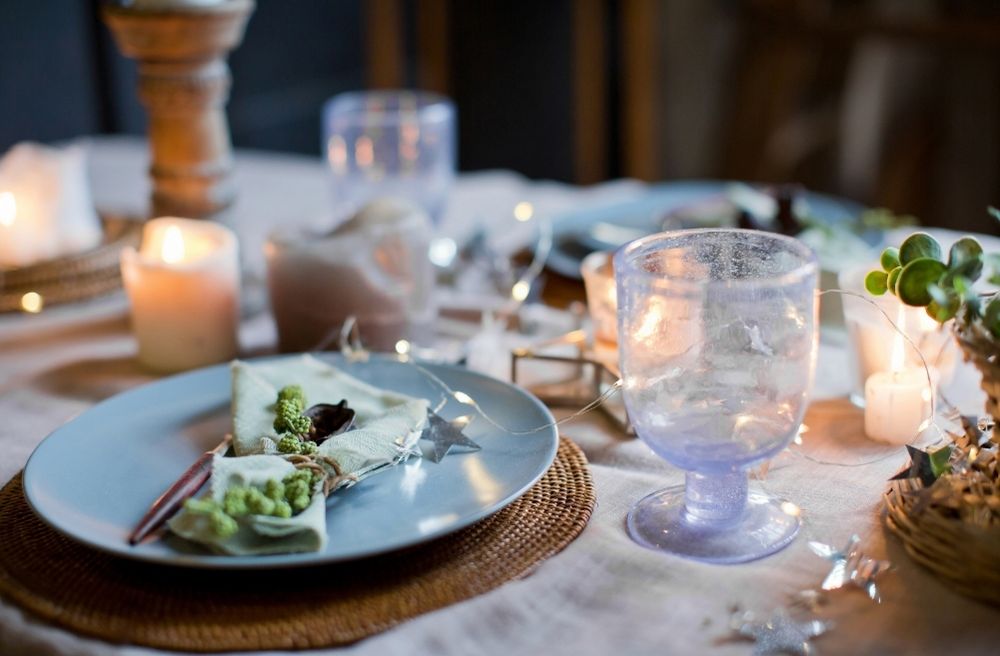
Place plates, cutlery, glasses, napkins, and serving dishes before guests begin arriving. If you’re using place cards or decorative centrepieces, arrange them now as well.
Taking care of these details ahead of time gives you more freedom to enjoy welcoming your guests instead of rushing through final preparations.
Checklist
✓ Set the table.
✓ Arrange serving dishes.
✓ Check that everyone has a place setting.
Create a Warm Atmosphere
The atmosphere of your home influences how relaxed your guests feel.
Open curtains to let in natural light during the day or switch on warm lighting in the evening. Add soft background music and adjust the room temperature so everyone stays comfortable.
Fresh flowers, candles, or simple seasonal decorations can enhance the space without making it feel cluttered.
The goal is to create an environment that encourages people to slow down, settle in, and enjoy each other’s company.
Checklist
✓ Adjust lighting.
✓ Prepare a music playlist.
✓ Add simple decorative touches.
Prepare a Comfortable Guest Bathroom
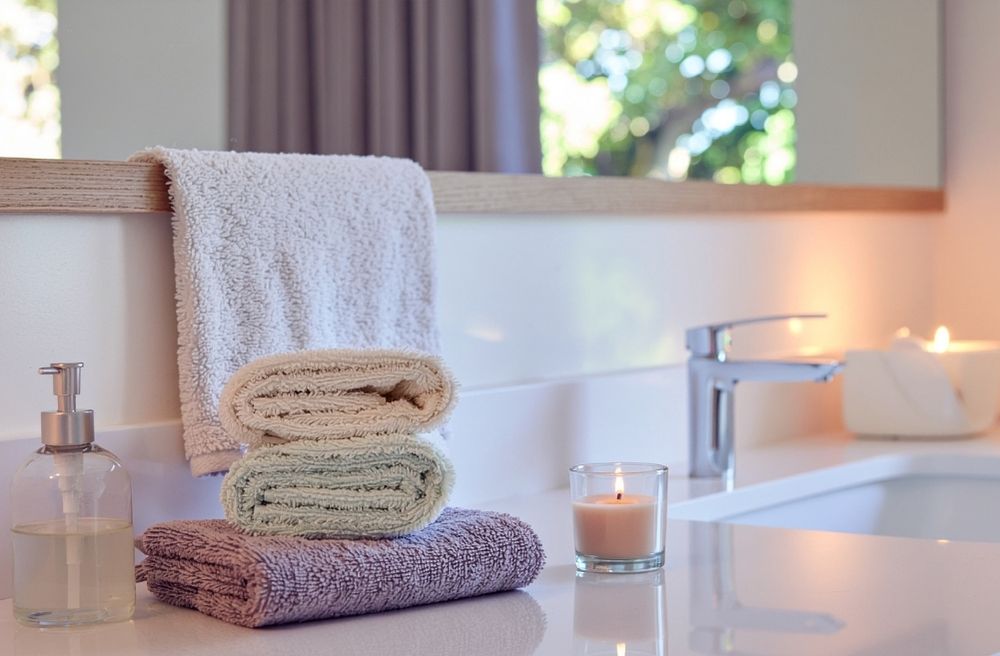
Your guests may spend only a few minutes in the bathroom, but those few minutes still contribute to their overall experience. A clean, well-stocked bathroom shows thoughtfulness and helps visitors feel comfortable in your home.
Check that there’s enough toilet paper, fresh hand towels, hand soap, and a full bin liner. If you’re hosting for several hours, it’s also worth placing extra supplies in an easy-to-find cupboard or drawer so you can restock quickly if needed.
A quick inspection before guests arrive is often all it takes to make this space feel fresh and welcoming.
Checklist
✓ Refill hand soap.
✓ Put out clean hand towels.
✓ Check toilet paper supplies.
✓ Empty the bathroom bin.
A Few Hours Before Guests Arrive
Review Your Checklist One Last Time
As the gathering gets closer, resist the urge to start new projects. This isn’t the time to rearrange furniture or experiment with another recipe.
Instead, go through your checklist one final time. Confirm that the food is on schedule, drinks are chilled, the table is set, and everything you need is within easy reach.
This final review helps you spot anything you’ve overlooked while giving you peace of mind before the first guest arrives.
Checklist
✓ Review your to-do list.
✓ Check food preparation.
✓ Confirm everything is ready.
Get Yourself Ready
Many hosts spend so much time preparing their home that they leave themselves only a few rushed minutes to get dressed.
Plan enough time to shower, change into comfortable clothes, and take a short break before guests arrive. Even ten quiet minutes can help you feel refreshed and confident.
Hosting is much more enjoyable when you aren’t still getting ready as people walk through the door.
Checklist
✓ Get dressed.
✓ Freshen up.
✓ Take a few minutes to relax.
Feeling rushed before guests arrive is common, but it doesn’t have to be. Read our How to Host Guests Without Feeling Stressed for practical tips on staying organized, managing last-minute tasks, and enjoying the gathering with confidence.
Welcoming Your Guests

Greet Everyone Warmly
The first few moments after guests arrive often set the mood for the rest of the gathering.
Welcome each guest with a smile, greet them by name, and thank them for coming. If someone brings flowers, dessert, or another thoughtful gift, acknowledge it with genuine appreciation.
A warm welcome helps people feel comfortable from the moment they step inside.
Checklist
✓ Welcome each guest personally.
✓ Offer to take coats or bags.
✓ Thank guests for any gifts.
Offer Refreshments Right Away
Once guests have settled in, offer them something to drink before moving on to the rest of the evening.
A glass of water, juice, tea, coffee, or another suitable beverage gives people something to enjoy while conversations begin naturally. Light snacks or appetizers also help create a relaxed atmosphere if dinner won’t be served immediately.
Simple gestures like these make guests feel cared for without requiring much effort.
Checklist
✓ Offer drinks.
✓ Serve light snacks if needed.
✓ Refill drinks throughout the gathering.
Help Guests Feel Comfortable
Not everyone feels at ease immediately, especially if they’re meeting new people.
Take a few moments to introduce guests who haven’t met before and mention any shared interests that might help start a conversation. Small introductions often remove the awkwardness of those first few minutes.
As the host, continue paying attention to the room. If someone seems left out, gently include them in the conversation without making them feel uncomfortable.
Checklist
✓ Introduce guests.
✓ Encourage conversation.
✓ Include quieter guests.
During the Gathering

Stay Present Instead of Constantly Working
One of the most common hosting mistakes is spending the entire gathering moving between the kitchen and dining room.
Once the main preparation is complete, allow yourself to slow down. Sit with your guests, enjoy the meal, and join the conversations.
People came to spend time with you, not to watch you work all evening. Your presence contributes just as much to the gathering as the food you’ve prepared.
Checklist
✓ Sit down with your guests.
✓ Join conversations.
✓ Avoid unnecessary kitchen trips.
Keep an Eye on the Flow of the Evening
A good gathering usually has a comfortable rhythm.
Pay attention to how things are progressing. If conversations are flowing well, there’s no need to rush everyone to the table. If guests have finished eating, that may be the perfect time to bring out dessert or move into another seating area.
Being flexible allows the evening to unfold naturally instead of feeling overly scheduled.
Checklist
✓ Watch the pace of the gathering.
✓ Serve meals naturally.
✓ Adjust plans if needed.
Handle Small Problems Calmly
Every host experiences unexpected situations from time to time.
A drink may spill across the table. Dinner might need a few extra minutes in the oven. A child may accidentally knock something over.
Responding calmly helps everyone else remain relaxed as well. Most guests are understanding and won’t judge small mishaps unless you become visibly stressed.
Often, these unexpected moments become funny stories that people remember long after the gathering ends.
Checklist
✓ Stay calm.
✓ Solve problems quietly.
✓ Keep the atmosphere positive.
Hosting doesn’t end once everyone arrives. Explore our 25 Easy Ways to Become a Better Host for practical habits that help guests feel welcome, comfortable, and eager to accept your next invitation.
Wrapping Up the Gathering

Thank Guests Before They Leave
As the evening comes to an end, thank each guest personally for spending time with you.
Walk them to the door if possible, wish them a safe trip home, and let them know you enjoyed having them over.
Ending the gathering with genuine appreciation leaves a positive final impression that guests will remember.
Checklist
✓ Thank each guest.
✓ Return any belongings.
✓ Say goodbye warmly.
Tidy Up Without Feeling Rushed
Once everyone has left, you don’t need to clean everything immediately.
Start by putting away food safely and washing any items that need immediate attention. The remaining cleaning can wait until you’ve had time to relax.
Many experienced hosts leave some of the tidying until the following morning. There’s nothing wrong with ending the evening by putting your feet up after a successful gathering.
Checklist
✓ Store leftovers.
✓ Wash essential dishes.
✓ Leave the rest until you’re rested.
Make Notes for Next Time
Every gathering teaches you something new.
You may discover that one recipe was especially popular or that preparing dessert the day before gave you more time to enjoy your guests. Perhaps you’ll realize that a different seating arrangement would work even better next time.
Taking a few notes while everything is still fresh helps each gathering become even smoother than the last.
Checklist
✓ Write down what worked well.
✓ Note any improvements.
✓ Save ideas for future gatherings.
Your Home Entertaining Checklist Is Meant to Make Hosting Easier
Hosting doesn’t have to feel overwhelming. With a reliable home entertaining checklist, you can approach every gathering with confidence, knowing that the important details have already been taken care of.
No event will ever be completely perfect, and that’s perfectly fine. Guests rarely remember tiny imperfections.
They remember feeling welcomed, sharing good conversations, enjoying delicious food, and spending meaningful time with people they care about.
Use this checklist as a flexible guide rather than a strict set of rules. Adjust it to suit your home, your guests, and the occasion. The more you host, the more naturally these habits will become part of your routine.
Over time, you’ll spend less energy worrying about what might go wrong and more time creating the kind of warm, memorable gatherings that people genuinely look forward to attending again.