

15 Reasons Guests Might Not Enjoy Visiting Your Home (and Easy Ways to Fix Them)
Disclosure: Some of the links in this post are affiliate links. This means if you click on the link and purchase an item, I will receive an affiliate commission at no extra cost to you.
Why guests might not enjoy visiting your home is not always obvious. Sometimes the issue has nothing to do with the food, décor, or size of your space.
A home can look beautiful and still feel uncomfortable if guests do not know where to sit, cannot find what they need, or feel like they have to follow too many rules.
The good news is that most hosting problems are easier to fix than they seem. Small changes to the way you prepare your home, welcome people, serve food, and interact with guests can make a noticeable difference.
Great hosting is not about creating a perfect home. It is about helping people feel relaxed, considered, and comfortable while they are there.
Before you assume your guests simply do not enjoy visiting, take a closer look at the experience your home is giving them. A few simple adjustments may completely change the atmosphere.
What Makes a Home Feel Uncomfortable to Guests?

Guests experience your home differently from the person who lives there. You already know where the glasses are kept, which chair is comfortable, how the bathroom works, and which rooms are off limits.
Your guests do not have that information.
Something that feels completely normal to you may leave a visitor feeling uncertain.
They may not know where to put their bag, which bathroom to use, or if they are allowed to help themselves to another drink.
This is why good hosting involves looking at your home from a guest’s perspective.
The goal is not to remove every little inconvenience. Instead, think about the things that could make someone feel awkward, restricted, overlooked, or uncomfortable.
Here are some of the most common reasons a visit may not feel as enjoyable as you intended, along with simple ways to make things better.
If you are still learning the basics of welcoming people into your space, The Ultimate Beginner’s Guide to Entertaining at Home can help you create a more comfortable experience from the start.
1. Your Home Feels Too Cluttered
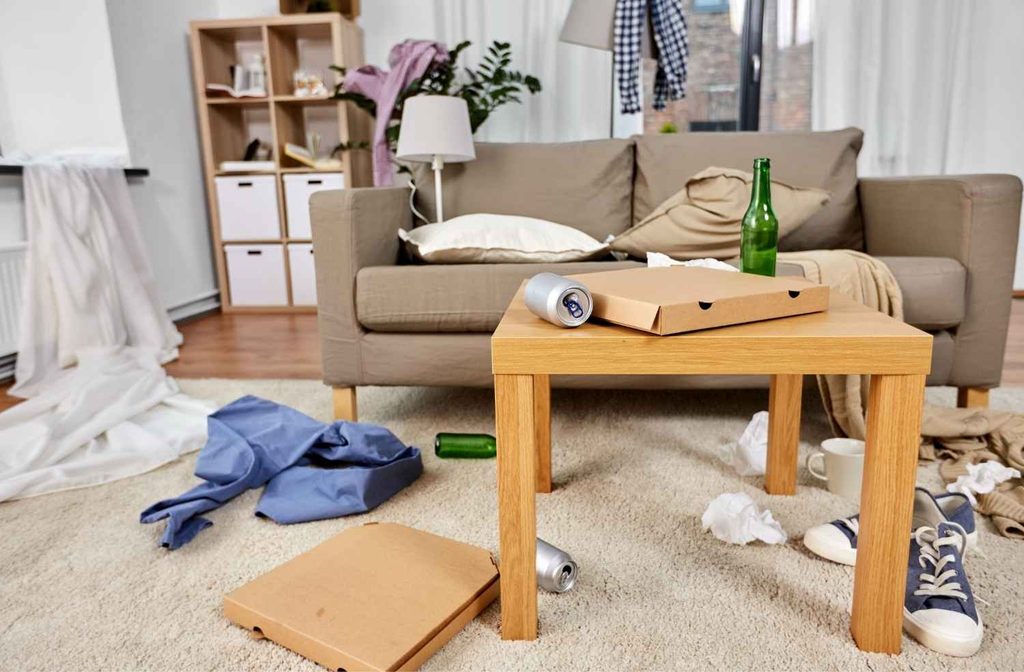
A cluttered home can make guests feel uncomfortable before they have even settled in.
You do not need a perfectly decorated house, but piles of laundry, overflowing surfaces, shoes scattered across the floor, and crowded seating areas can make the space feel difficult to navigate.
Guests may also feel hesitant to put their belongings down because there does not seem to be a clear place for anything.
The solution is not to spend hours making every room spotless. Focus on the areas your guests will actually use.
Clear the entryway, tidy the living room, clean the bathroom, and create enough open space for people to move around comfortably.
A few minutes of intentional tidying can make your home feel considerably more welcoming.
Using The Complete Home Entertaining Checklist before guests arrive can help you remember the small cleaning and preparation tasks that make your home easier to enjoy.
2. The Seating Is Not Comfortable

Beautiful furniture does not automatically make comfortable seating.
Guests may struggle with chairs that are too hard, sofas that are overcrowded, or seating arrangements that make conversation difficult.
Someone may spend the entire evening shifting around simply because there is nowhere comfortable to sit.
Pay attention to how people will actually use the space.
If you are hosting several guests, provide a mixture of seating options. A comfortable sofa, dining chairs, occasional chairs, or even a few floor cushions can give people choices.
You can also move furniture before guests arrive so people are naturally facing one another. Good seating should encourage conversation rather than leave everyone looking in different directions.
For more inspiration on creating an inviting dining area, 50 Beautiful Table Setting Ideas for Every Occasion can help you think about how the table and surrounding space come together.
3. The Temperature Is Uncomfortable

A room that is too hot or too cold can quickly become one of the biggest distractions during a gathering.
Guests may not immediately tell you that they are uncomfortable. Some people will simply sit quietly, remove a layer, or spend more time near a window.
Before guests arrive, think about the temperature of the room and how it may change as more people enter.
If you are hosting several people, the room may become warmer than expected. During cooler weather, keep an extra blanket available for anyone who needs one.
You can also check in casually during the gathering. A simple question such as, “Is everyone comfortable in here?” gives guests permission to speak up without feeling difficult.
Paying attention to simple comfort details is also part of How to Host Guests Without Feeling Stressed, especially when you want everyone to feel relaxed in your home.
4. Guests Cannot Find What They Need
Guests should not have to solve a mystery every time they need something.
If someone wants water, another napkin, the bathroom, or somewhere to place their coat, they may hesitate to ask because they do not want to interrupt you.
Make commonly needed items easy to find.
You could place drinking water and glasses somewhere accessible, point out the bathroom when guests arrive, and show people where they can leave coats and bags.
This is especially helpful when you are busy serving food or talking with other guests.
A little independence allows people to feel more at home without requiring your attention for every small request.
Making essential items easy to find is one simple way to build on the ideas in How to Make Guests Feel Welcome the Moment They Arrive.
5. You Make Guests Feel Like They Cannot Relax
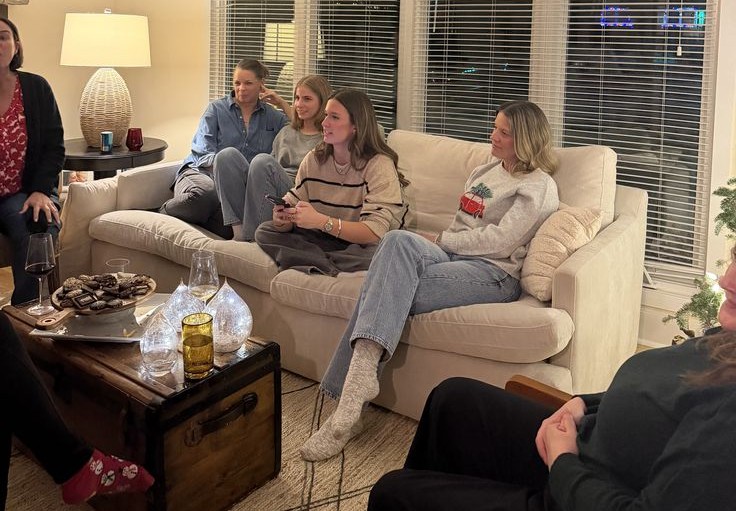
Some hosts unintentionally create a formal atmosphere by constantly reminding guests to be careful.
“Don’t put that there.”
“Be careful with the sofa.”
“Watch the table.”
“Please don’t touch that.”
A few necessary boundaries are completely reasonable, but repeated warnings can make people feel as though they are visiting a museum rather than someone’s home.
Guests should understand that you care about your belongings, but they should also feel comfortable enough to relax.
Move fragile or valuable items before the gathering instead of repeatedly warning people about them.
Creating a guest friendly environment means preparing your home so people can enjoy themselves without constantly worrying about making a mistake.
For more guidance on creating a comfortable atmosphere, Hosting Etiquette Every Host Should Know covers the thoughtful behaviors that can make guests feel at ease.
6. You Spend the Entire Visit Cleaning
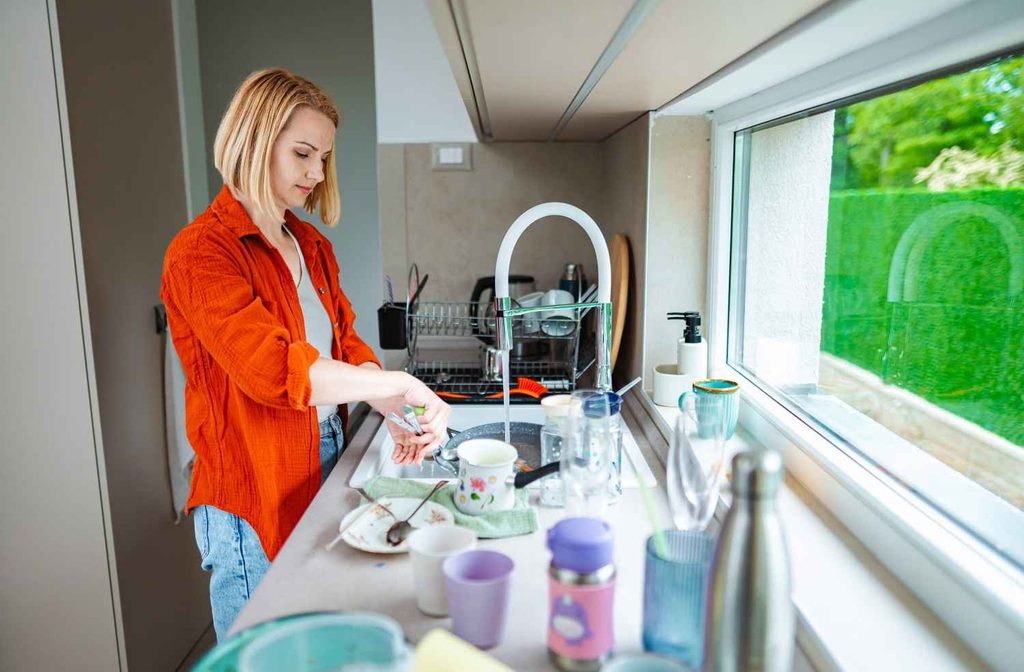
Nobody expects a host to leave every dirty plate untouched until the guests go home.
However, constantly cleaning can change the mood of the gathering.
If you spend most of the evening carrying dishes back and forth, wiping surfaces, rearranging furniture, and checking every corner of the room, guests may feel guilty for creating work for you.
It can also make them feel like they are interrupting your routine.
Do the major cleaning before guests arrive. During the gathering, focus on simple maintenance instead of trying to make everything perfect.
A few dishes in the sink will not ruin a successful evening. Your guests are much more likely to remember the conversation and atmosphere than whether the kitchen remained spotless.
Doing most of the work ahead of time is easier when you follow 15 Things Great Hosts Always Do Before Guests Arrive and prepare the important areas before anyone walks through the door.
7. You Keep Apologizing for Your Home
An occasional comment about a small imperfection is harmless. Constantly apologizing, however, can make guests feel uncomfortable.
You may think you are being humble when you say, “Sorry about the mess,” “I know my house is small,” or “I wish I had a nicer dining table.”
But guests may not have noticed the things you are apologizing for until you point them out.
Instead of drawing attention to every imperfection, focus on making the space welcoming.
Most people are not expecting your home to look like a magazine. They are visiting to spend time with you.
Confidence in your space can also help your guests relax. If you treat your home as a comfortable place to gather, they are more likely to do the same.
Confidence and genuine attention are important parts of How to Be a Memorable Host, and they can make guests feel more comfortable than a perfectly decorated home ever could.
8. The Lighting Feels Too Harsh

Lighting can dramatically affect how a room feels.
Bright overhead lighting may be useful for cleaning, but it can make an evening gathering feel clinical or overly exposed.
Very dim lighting can create the opposite problem by making it difficult to see food, faces, or where people are walking.
Aim for lighting that matches the mood of the gathering.
During dinner, make sure guests can comfortably see their food and one another. Later in the evening, you can create a softer atmosphere with lamps or other gentle sources of light.
Think about lighting before guests arrive rather than trying to adjust it repeatedly once everyone is seated.
A comfortable level of light can make your home feel warmer without requiring expensive changes.
If you want more ideas for creating a warm evening atmosphere, 35 Elegant Dinner Party Ideas for Adults offers inspiration for making your gathering feel polished without feeling overly formal.
9. The Bathroom Is Not Guest Ready

Guests may forgive a slightly untidy living room, but an uncomfortable bathroom can make a lasting impression.
A guest bathroom does not need to be luxurious. It simply needs to be clean, functional, and easy to use.
Check the toilet, sink, mirror, floor, and hand towel before people arrive. Make sure there is enough toilet paper and that guests can easily find soap.
You can also provide a clean hand towel or disposable hand towels if appropriate for the gathering.
Think about small details that guests may not want to ask about.
If the bathroom door locks, the light works, and basic supplies are available, people can use the space confidently without needing to call you for help.
If guests are staying overnight, Guest Room Essentials Every Host Should Have can help you think through the practical details that make a guest’s stay more comfortable.
10. You Do Not Give Guests Enough Personal Space

Not everyone wants to be involved in every conversation or activity.
A guest may need a quiet moment, want to check their phone, or simply prefer sitting somewhere away from the busiest part of the room.
If every available space is crowded, guests may feel trapped.
You do not need a huge home to provide personal space. Even a quieter corner of the living room can give someone an opportunity to step away from the main conversation.
If you are hosting overnight guests, this becomes even more important. Giving people a comfortable place to retreat can make a longer visit much more enjoyable.
A welcoming home should have room for both connection and quiet.
For overnight visits, How to Create the Perfect Guest Room offers useful inspiration for giving visitors a comfortable place to rest and have some privacy.
11. You Pressure Guests to Eat or Drink More

Offering food and drinks is part of being a generous host. Repeatedly insisting that guests have more can become uncomfortable, though.
A guest may have dietary preferences, health related reasons, personal limits, or simply not want another serving.
Comments such as “You barely ate anything” or “Come on, have another one” can put unnecessary pressure on people.
Offer generously, then allow guests to decide.
You can make food accessible and explain what is being served without monitoring how much each person eats.
This approach creates a relaxed atmosphere where guests can make their own choices without feeling watched.
Respecting your guests’ personal choices is also an important part of 25 Modern Hosting Etiquette Everyone Should Know.
12. You Spend More Time on Your Phone Than With Your Guests

Few things make a guest feel overlooked faster than a host who spends most of the gathering looking at their phone.
There are obviously times when you may need to check something important. Constant scrolling, messaging, or browsing can make guests wonder why they were invited.
Try to handle unnecessary phone activity before people arrive.
If you need to respond to an important message during the gathering, excuse yourself briefly rather than continuing to look at the screen while someone is speaking to you.
Your attention is one of the simplest things you can give your guests.
People may forget exactly what you served, but they will remember how present you were during the time they spent with you.
Being present is one of the simplest ways to improve your hosting, and 25 Easy Ways to Become a Better Host offers more practical ways to give guests your full attention.
13. The Conversation Is Dominated by One Person

A gathering can become uncomfortable when one person controls the entire conversation.
They may speak constantly, interrupt others, or repeatedly bring the discussion back to themselves.
As the host, you do not need to embarrass that person. Instead, look for natural opportunities to bring quieter guests into the discussion.
You might ask someone else for their opinion or introduce a topic that allows several people to participate.
For example, if someone is talking about a recent trip, you could ask another guest about their favorite travel destination.
The goal is not to control every conversation. It is to create enough balance that guests have opportunities to speak, listen, and connect with one another.
When conversation becomes difficult to balance, How to Start Conversations at Dinner Parties can give you simple ways to encourage more people to participate.
14. You Do Not Notice When Someone Feels Left Out

One of the biggest reasons guests may not enjoy visiting is simply feeling invisible.
This can happen when everyone else already knows one another and one guest is left standing on the edge of the conversation.
It can also happen when the host becomes absorbed in one particular group.
Pay attention to body language. Someone standing alone, repeatedly checking their phone, or looking around the room may need a little help finding their place.
You can introduce them to another guest, bring them into an existing conversation, or simply spend a few minutes talking with them yourself.
Small acts of inclusion can completely change someone’s experience.
A welcoming atmosphere can also be supported by the right background music, and The Best Music Playlist Ideas for Hosting can help you create a setting where guests feel more comfortable settling in.
15. You Make the Visit Feel Like a Performance

Some hosts put so much pressure on themselves to create an impressive experience that the gathering starts feeling like a performance.
Everything has to look perfect. The food has to be elaborate. Every moment needs to be planned. Guests are constantly being entertained.
That level of effort can actually make people feel less relaxed.
A good visit does not require nonstop entertainment.
Leave space for people to talk, laugh, sit quietly, move around, and enjoy the environment without being given something to do every few minutes.
Your guests are not attending a show. They are spending time in your home.
The more comfortable you are with allowing the gathering to unfold naturally, the easier it becomes for everyone else to relax too.
If you want to make a gathering enjoyable without constantly entertaining your guests, 50 Adult Party Themes Everyone Will Love offers ideas that can give the occasion structure while still leaving room for natural conversation.
Simple Ways to Make Guests Feel More Comfortable

Once you know what may be making guests uncomfortable, the fixes become much easier.
You do not need to renovate your home or buy expensive furniture.
Start with the basics: clean the spaces guests will use, create comfortable seating, check the temperature, prepare the bathroom, and make essential items easy to find.
Then consider the social side of hosting.
Give guests your attention. Make introductions when necessary. Notice anyone who seems uncomfortable or isolated. Offer food and drinks without pressuring people to accept them.
Most importantly, stop aiming for perfection.
People generally remember the feeling of a gathering more than its small imperfections.
A simple home where guests feel relaxed can be far more enjoyable than an impressive space where everyone feels uncomfortable.
Create a Home Guests Enjoy Returning To
A home that guests enjoy visiting does not need to be perfect, expensive, or professionally decorated.
It needs to feel comfortable.
Think about the experience from the moment someone walks through your door.
Can they easily find somewhere to put their belongings? Do they know where to sit? Can they get water without feeling awkward? Is the bathroom clean? Do they feel free to relax?
Your behavior matters just as much as your home.
Being present, noticing when someone feels left out, avoiding unnecessary pressure, and allowing conversations to develop naturally can make a bigger difference than expensive décor.
The best hosting often comes down to thoughtful details that guests barely notice because everything simply feels easy.
You do not have to eliminate every imperfection before inviting people over. Instead, focus on creating a space where people feel welcome, comfortable, and free to enjoy themselves.
When guests can relax in your home without feeling watched, rushed, ignored, or pressured, they are far more likely to look forward to visiting again.





6 Comments