

Should You Ask Guests to Bring Food?
Disclosure: Some of the links in this post are affiliate links. This means if you click on the link and purchase an item, I will receive an affiliate commission at no extra cost to you.
Should you ask guests to bring food? The answer depends on the type of gathering, the relationship you have with your guests, and the kind of atmosphere you want to create.
Asking guests to contribute food can make hosting easier, especially when you are planning a large gathering or serving several people. At the same time, the way you make the request matters.
A casual invitation to bring a favorite dish can feel warm and collaborative, while a vague or demanding request can leave guests wondering what is expected of them.
Some gatherings naturally lend themselves to shared food. A relaxed brunch, family lunch, picnic, game night, or casual dinner can be a perfect opportunity for guests to contribute something. A formal dinner party, however, may call for a different approach.
Good hosting does not mean doing everything yourself. It means creating an experience where everyone feels comfortable and appreciated.
If you decide to ask guests to bring food, the contribution should feel like a thoughtful invitation to participate rather than an obligation attached to attending.
If you are still finding your footing as a host, The Ultimate Beginner’s Guide to Entertaining at Home can help you build a comfortable approach to planning and welcoming guests.
When Is It Appropriate to Ask Guests to Bring Food?
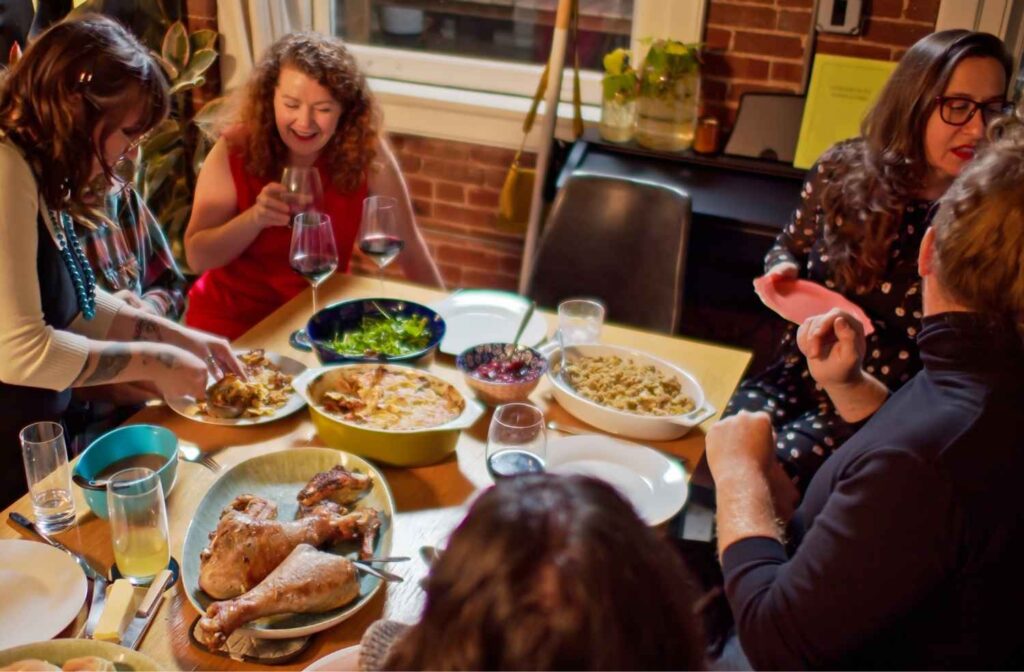
There are plenty of situations where asking guests to contribute food makes perfect sense. The key is to consider the nature of the gathering before making the request.
A large gathering is one of the easiest examples. Preparing an entire menu for a big group can become expensive, time consuming, and exhausting.
Sharing some of the food responsibilities allows everyone to contribute while giving the host more time to focus on the guests.
Casual gatherings are another natural fit. If you are inviting friends over for a relaxed evening, you can suggest that anyone who would like to contribute is welcome to bring something.
The informal nature of the occasion makes this kind of arrangement feel natural.
Your relationship with the guests matters too. Close friends and family members may already be comfortable contributing to a meal.
Guests you do not know as well may appreciate more guidance so they understand what you have in mind.
The important thing is to consider the purpose and style of the gathering first. Asking guests to bring food should complement the occasion, not become the main requirement for attending.
Sharing some of the preparation can also make it easier to How to Host Guests Without Feeling Stressed, especially when you are planning for a larger group.
Consider the Type of Gathering

The type of event you are hosting should influence your decision. Not every gathering needs guests to bring food, and some occasions are much more suitable for shared contributions than others.
A casual brunch, family barbecue, picnic, game night, or relaxed dinner with friends can easily accommodate guest contributions.
These occasions tend to have a less formal atmosphere, making it natural for people to share food.
A formal dinner party can be different. If you have carefully planned the menu, table setting, and overall dining experience, asking every guest to bring a dish may not fit the style of the event.
In that situation, you may prefer to handle the food yourself.
Think about the experience you want to create.
A shared meal can feel warm and communal at an informal gathering, while a carefully planned menu may be more appropriate for an elegant celebration.
For a relaxed shared meal, 25 Casual Dinner Party Ideas Everyone Will Love offers plenty of inspiration for creating an informal gathering where contributions can feel natural.
Decide What You Actually Need

Before asking guests to bring food, take a look at your menu and decide what would genuinely be useful.
Perhaps you already have the main dish covered but could use a dessert. Maybe you are preparing several appetizers and need a salad, side dish, or drinks to complete the meal.
Having a clear idea of what is missing makes the request much easier to communicate. It also prevents guests from arriving with food that you do not actually need.
A little planning can make a big difference. If you know exactly what you are providing and what guests could contribute, everyone has a better understanding of how the meal will come together.
You do not need to create a complicated menu before asking for help. Even a simple plan can help you identify one or two areas where guest contributions would be genuinely helpful.
Before deciding what guests should bring, The Complete Home Entertaining Checklist can help you organize the different details you need to handle before everyone arrives.
Make the Request Feel Optional

The tone of your request matters just as much as the request itself.
Instead of making guests feel responsible for feeding everyone, let them know that their contribution would be appreciated but is not required.
This is especially considerate for guests who may have busy schedules or other commitments.
You could say, “I am handling the main meal, but if you would like to bring a dessert, you are more than welcome to.” The wording is clear, but the choice remains with the guest.
That distinction is important. An invitation should make people feel wanted because of who they are, not because of what they can bring.
Keeping contributions optional also allows guests to participate comfortably.
Someone may be excited to prepare a favorite dish, while another person may simply prefer to arrive and enjoy the gathering.
Keeping the request polite and flexible is an important part of Hosting Etiquette Every Host Should Know, particularly when you want guests to feel welcome rather than obligated.
Tell Guests Exactly What to Bring
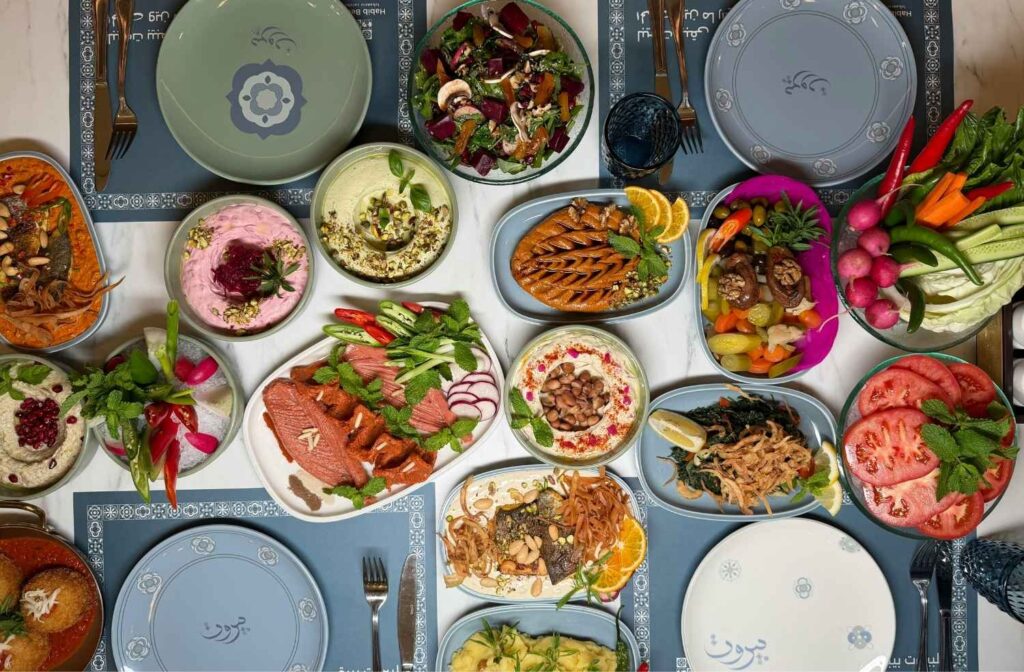
A vague request such as “Can you bring some food?” can create unnecessary confusion.
Guests may wonder how much they should bring, what type of food would work, or whether other people are also contributing. A little direction makes the process easier.
You could suggest categories such as dessert, salad, bread, fruit, appetizers, or drinks. If you have a specific need, you can mention that too.
For example, saying “Could you bring a simple dessert?” is much clearer than simply asking someone to bring food.
Clear communication also reduces duplication. If one guest knows that someone else is already bringing dessert, they can choose something different and create a more balanced spread.
Giving guests clear but reasonable guidance is one of the thoughtful habits explored in How to Be a Memorable Host.
Give Guests Freedom to Choose

Although some direction is useful, you do not need to control every detail of what your guests bring.
Someone may have a favorite recipe they enjoy preparing or a dish that has special meaning to them. Giving guests some freedom can make their contribution feel personal rather than assigned.
You can offer a few suggestions while allowing them to choose what suits them best. For example, you might say that they are welcome to bring a side dish, dessert, appetizer, or drink.
This approach works particularly well with friends and family. It allows people to contribute something they enjoy while keeping the meal varied.
The best shared meals often have a little personality in them. Different dishes can reflect different tastes, traditions, and preferences, making the gathering feel more personal.
Be Mindful of Dietary Restrictions
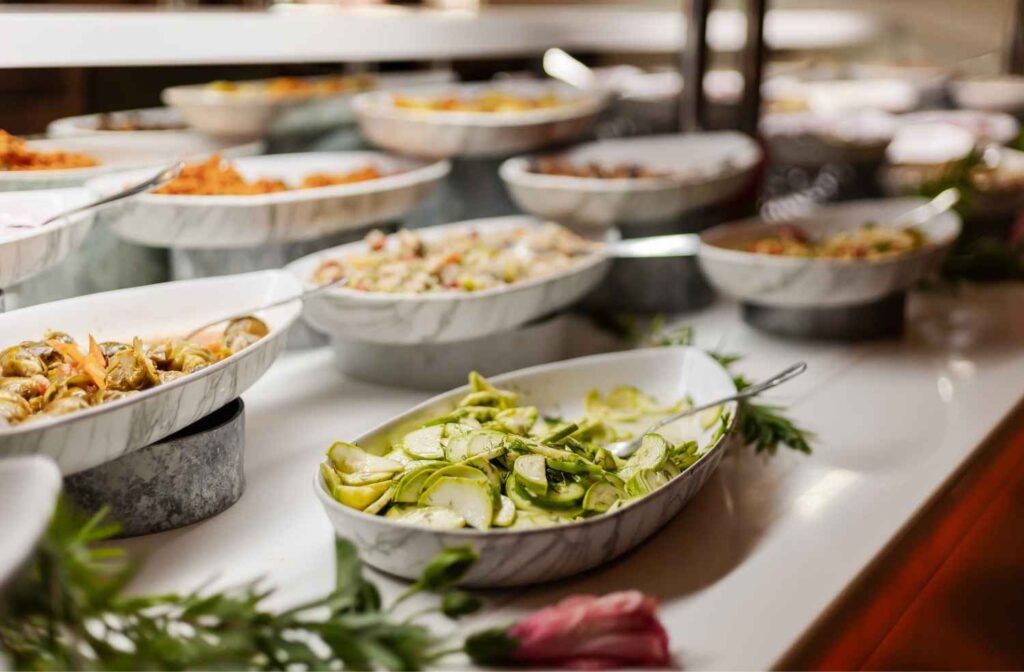
Food contributions require a little more consideration when guests have allergies, dietary restrictions, or specific food preferences.
If several people are bringing dishes, make sure everyone has enough information to make sensible choices.
You can ask contributors to mention the main ingredients in their dishes so guests can make informed decisions.
You should also make sure there are suitable options available for people who cannot eat certain foods.
Asking guests to contribute does not remove the host’s responsibility to create an inclusive meal.
This does not mean you need to prepare a completely separate menu for every person. A few thoughtfully chosen options can often be enough.
The goal is to make accommodation feel normal rather than making someone feel like their dietary needs are an inconvenience.
Being considerate of different guest needs is also an important part of 25 Modern Hosting Etiquette Everyone Should Know.
Consider Asking Guests to Bring Drinks Instead

Food is not the only thing guests can contribute.
For some gatherings, asking people to bring a drink may be easier than asking them to prepare an entire dish.
Someone might bring sparkling water, lemonade, juice, tea, coffee, or another beverage that complements the meal.
This can be particularly useful when you already have enough food planned. It allows guests to contribute without creating unnecessary duplication in the kitchen.
You can also invite guests to bring a beverage they personally enjoy. This keeps the request relaxed and gives everyone an easy way to participate.
A contribution does not need to be elaborate to be meaningful. Sometimes a simple bottle of juice or a favorite drink is all that is needed.
If you are already handling the food, you can create a complete atmosphere with ideas from The Best Music Playlist Ideas for Hosting while guests contribute drinks instead.
Avoid Making One Guest Responsible for Too Much

If several people are contributing, make sure the responsibility is shared fairly.
One person should not arrive with the main dish, several side dishes, dessert, and drinks while everyone else contributes something small. That can quickly make the arrangement feel unfair.
For a larger gathering, divide the needs among several people. One guest might bring dessert, another a salad, and another drinks.
You can also remain responsible for the main elements of the meal. This gives you control over the overall experience while allowing guests to make smaller contributions.
Sharing the workload should make hosting easier for everyone, not simply move the responsibility from the host to one particularly helpful guest.
Coordinate Contributions for Larger Gatherings
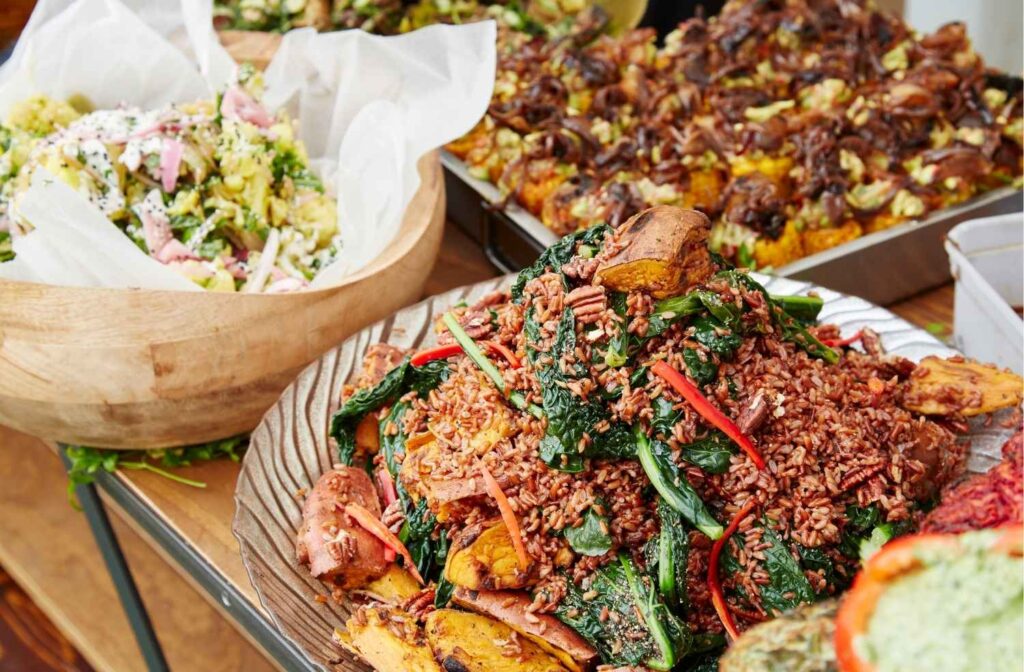
The larger the gathering, the more useful coordination becomes.
If twenty people are attending and everyone brings something without communicating, you could end up with far too much of one type of food and very little variety.
A simple group message can solve this problem. Let everyone know what is already covered and mention a few categories that are still needed.
You could say, “I have the main dish covered. We could use a few side dishes, a dessert, and some drinks.”
That gives people enough information to choose something useful without turning the meal into a complicated project.
A little coordination also reduces food waste. Guests can bring appropriate amounts instead of preparing far more food than the group can reasonably eat.
Make It Easy for Guests to Contribute
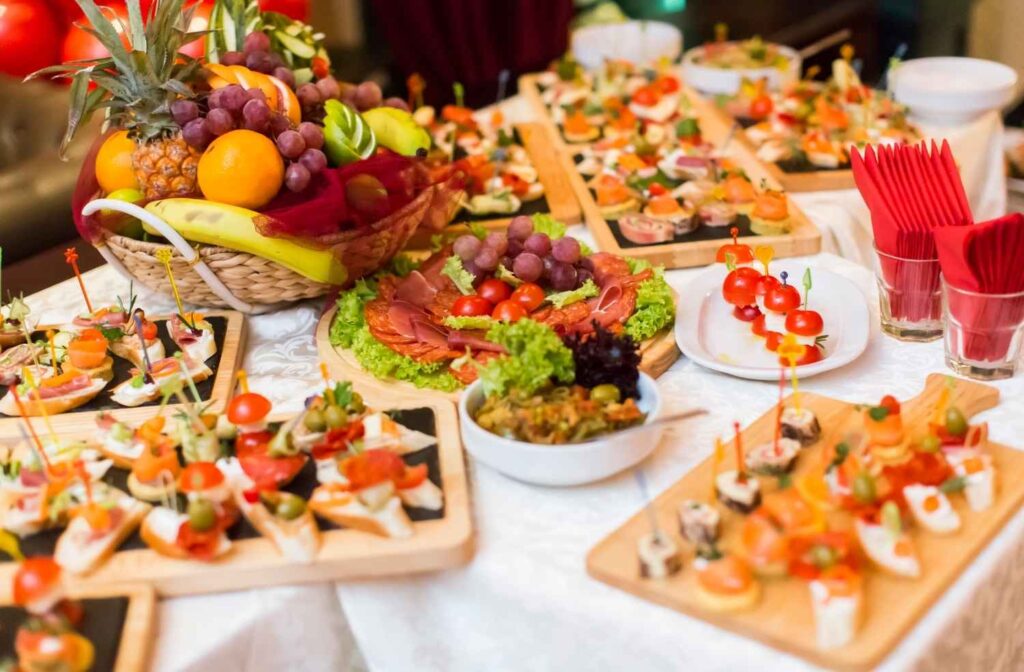
A contribution should not create more work for the guest than necessary.
If someone is coming straight from work, traveling a long distance, or arriving shortly before the gathering begins, asking them to prepare an elaborate dish may be unrealistic.
Think about what would make participation easy. A store bought dessert, prepared salad, fruit platter, or bottle of juice can be perfectly acceptable.
There is no need to measure someone’s generosity by how much effort went into the dish.
The goal is to share the experience, not to test everyone’s cooking skills. Making contributions flexible allows more people to participate comfortably.
If a guest prefers bringing something other than food, 29 Affordable Hostess Gift Ideas Under $25 offers simple alternatives that can still make a thoughtful contribution.
Know When You Should Handle the Food Yourself

There are occasions when it is better for the host to take care of the meal.
A formal dinner, carefully planned celebration, or event with a specific menu may benefit from having one person manage the food.
This gives the host more control over timing, presentation, and the overall dining experience.
It can also be easier when the gathering has a particular theme. If you have planned an elegant multi course meal, unexpected dishes may not fit the menu.
You can still accept contributions if guests offer, but there is no reason to ask everyone to bring something simply because hosting requires effort.
Sometimes the most appropriate thing is simply to prepare the meal yourself and let guests focus entirely on enjoying the occasion.
For a more formal occasion, 35 Elegant Dinner Party Ideas for Adults can provide inspiration for gatherings where the host may prefer to plan and handle the menu themselves.
Accept Help When Guests Offer It

Sometimes you do not need to ask at all. Guests may naturally offer to bring something.
When someone says, “What can I bring?” you do not always need to respond with, “Nothing, I have everything covered.”
If there is something genuinely useful, give them an easy option. You might say, “A simple dessert would be lovely,” or “If you have a favorite drink, feel free to bring it.”
Accepting reasonable help can make guests feel involved rather than inconvenienced. Many people enjoy contributing because it gives them a sense of participation in the gathering.
It also takes some pressure off the host. You can accept help while still remaining fully in charge of the overall event.
Do Not Criticize What Guests Bring
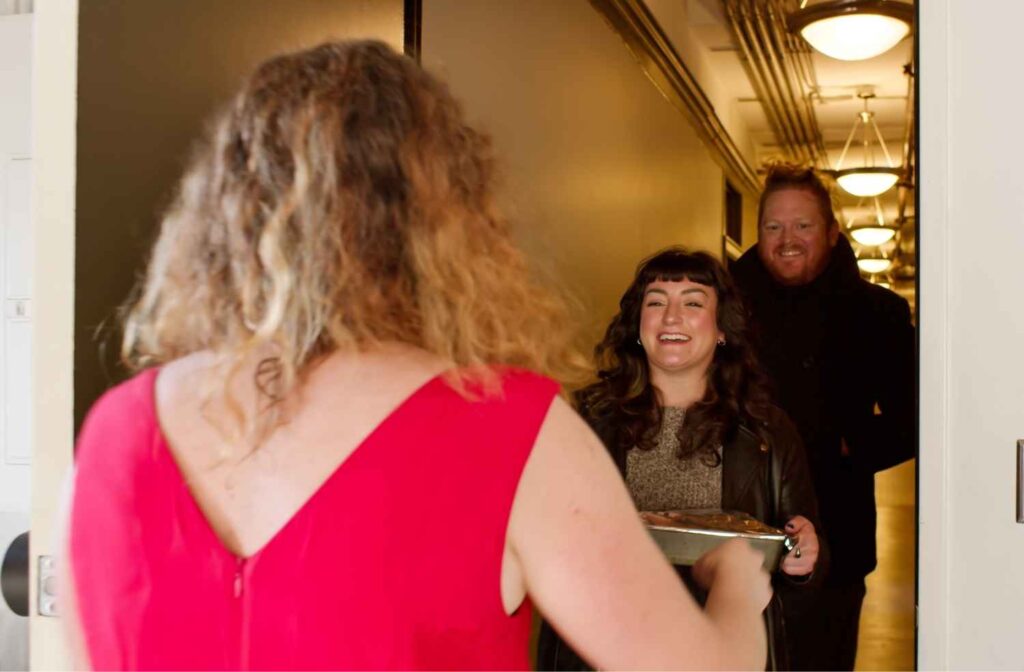
If a guest brings something different from what you expected, respond graciously.
Perhaps they brought a store bought dessert instead of a homemade one. Maybe they chose a side dish you had not considered.
Their contribution may not fit your original plan perfectly, but criticizing it can make the guest regret offering to help.
Remember why they brought it. They made an effort to contribute to your gathering.
Thank them sincerely and find a comfortable place for the item. If necessary, you can quietly adjust your serving plan rather than making the guest feel embarrassed.
Good hospitality includes appreciating the gesture rather than judging the presentation.
Have a Plan for Serving Guest Contributions
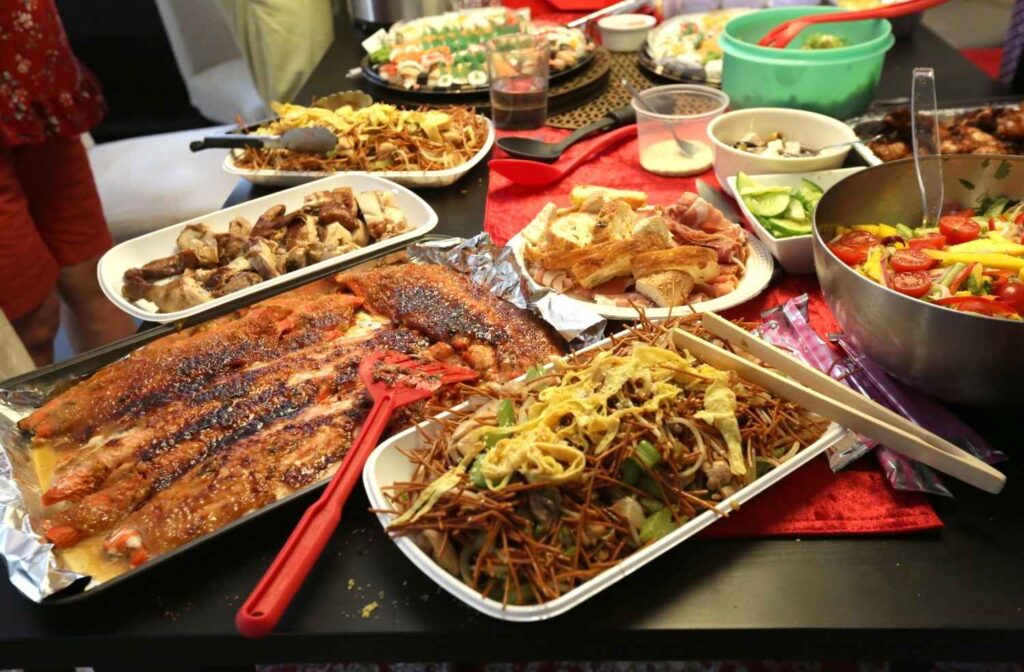
Before the gathering begins, think about where contributed food will go.
Some dishes may need refrigeration. Others may need to be warmed before serving. A few may arrive in serving dishes that need to be returned to the guest later.
Knowing this in advance makes the meal easier to manage.
You can also tell guests where to place their contributions when they arrive. A designated counter or table can prevent the kitchen from becoming crowded and keep the rest of the gathering organized.
If you are serving a buffet, decide where each type of food will go before guests arrive. This allows you to arrange everything attractively without having to reorganize the entire table at the last minute.
Once the food is organized, 50 Beautiful Table Setting Ideas for Every Occasion can help you create a table that makes all those shared dishes feel part of the overall presentation.
Keep the Host’s Role Clear

Asking guests to bring food does not mean stepping away from your role as host.
You are still responsible for welcoming people, creating a comfortable environment, organizing the gathering, and helping everyone understand what is happening.
Your guests are contributing to the meal, but they should not suddenly feel responsible for running the event.
Think of their contributions as additions to your hospitality rather than replacements for it. You remain the person creating the overall experience.
You can accept help with food while still greeting guests, introducing people, managing the flow of the gathering, and making sure everyone feels included.
Even when guests contribute food, you remain responsible for the overall experience, and 15 Things Great Hosts Always Do Before Guests Arrive can help you prepare for that role.
Avoid Turning the Gathering Into an Obligation

One of the biggest mistakes is making guests feel that they cannot attend unless they bring something.
An invitation should remain an invitation. If someone cannot contribute, they should still feel welcome.
You can say, “If you would like to bring something, feel free, but please do not worry if you cannot.” This simple reassurance can make a significant difference.
People may have different reasons for arriving empty handed. They may be traveling, caring for children, working late, or simply not have the time to prepare something.
Their presence can still be valuable.
A guest should never feel that bringing food is the price they have to pay for being invited into your home.
Match the Request to Your Relationship With the Guest

The way you ask a close friend to contribute may be different from how you approach a new acquaintance.
Close friends and family members often have an established understanding that everyone helps out. A simple message may be enough.
With newer relationships, a softer approach is usually more appropriate. Give the guest enough context to understand the nature of the gathering and make it clear that contributing is optional.
You might say, “We are having a relaxed dinner with a few friends. I am preparing the main dish, but if you would like to bring a side or dessert, you are welcome to.”
This gives the guest useful information without making the invitation sound demanding.
The way you communicate with guests is part of creating a welcoming experience, as shown in How to Make Guests Feel Welcome the Moment They Arrive.
Make Shared Meals Feel Collaborative

When guests contribute food, you can use the opportunity to create a more collaborative atmosphere.
A shared meal can become part of the experience itself. People may enjoy talking about the recipes they brought, discovering new dishes, or sharing family favorites.
This can make the gathering feel personal and relaxed rather than highly formal.
The host can still provide the main structure.
You might prepare the main dish, organize the table, and handle the setting while guests contribute smaller elements that make the meal feel abundant and varied.
There is something special about sitting around a table where different people have contributed something. It can make the meal feel like a shared experience rather than a performance by the host.
A shared meal can work especially well for a relaxed brunch, and 30 Brunch Buffet Ideas for Small Gatherings can inspire an easy setup where everyone can enjoy the food together.
Remember That the Guest’s Presence Matters Most

The most important thing to remember is that food should never become more important than the people you invited.
A beautifully prepared meal can make a gathering special, but it is not the reason people accept an invitation.
They come to spend time with you, enjoy conversation, celebrate something, or simply connect.
If a guest arrives without food, that should not change how welcome they feel.
Good hosting means making people feel valued regardless of what they bring. Food is simply one part of the experience.
This mindset can also make hosting more enjoyable for you.
Instead of worrying about whether every dish is impressive, you can focus on creating a comfortable environment where people can relax and enjoy one another’s company.
How to Ask Guests to Bring Food Without Making It Awkward

If you decide that guest contributions make sense for your gathering, the easiest approach is to be warm, specific, and relaxed.
You might write, “I am taking care of the main meal, but if you would like to contribute, feel free to bring a dessert or side dish you enjoy.”
This gives guests enough information without making the request feel like a requirement.
For a larger shared meal, you could say, “We are putting together a relaxed dinner with everyone contributing something.
I will handle the main dish, and you are welcome to bring a salad, side, dessert, or drink.”
The wording can change depending on your relationship with the guests, but the principle stays the same.
Tell people what would be useful, give them reasonable options, and make it clear that their contribution is appreciated rather than demanded.
A little warmth in your wording can make all the difference.
Guests are more likely to enjoy contributing when they understand that they are being invited to participate rather than being given another task to complete.
Once everyone arrives, How to Start Conversations at Dinner Parties can help you keep the gathering comfortable and encourage guests to connect naturally.
What to Do When a Guest Says They Cannot Bring Anything
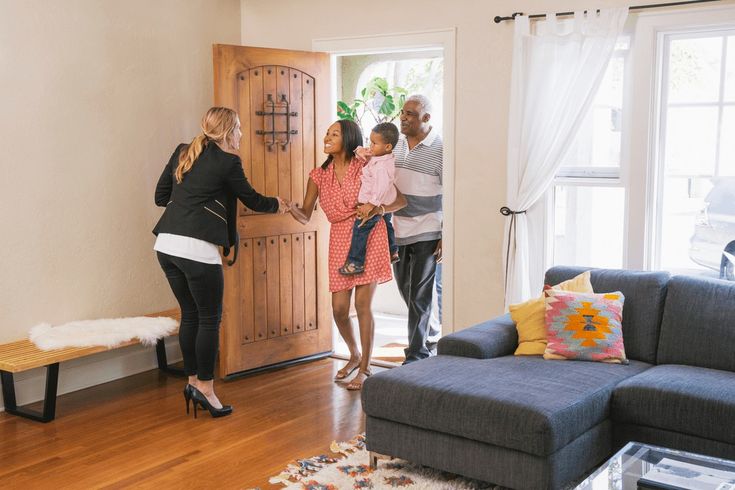
Do not make someone feel uncomfortable if they cannot contribute food.
Simply reassure them that their presence is enough. If the gathering is designed around shared food, you can also offer an alternative that requires little effort, such as bringing nothing at all and simply joining the meal.
Some guests may still want to contribute in another way. They might help with dishes, bring flowers, assist with setup, or offer to clean up afterward.
Accepting different forms of participation can make your gathering more inclusive. Hospitality should leave room for people to contribute according to their circumstances.
There is also nothing wrong with telling the guest not to worry about it. Sometimes the kindest response is simply, “No problem at all. Just come and enjoy yourself.”
When Sharing the Food Makes Hosting Better

If you are considering a shared meal for brunch, 35 Beautiful Brunch Party Ideas for Every Occasion can give you more ideas for creating a relaxed gathering where guests can enjoy contributing.
Asking guests to bring food can be a wonderful way to make hosting more manageable, especially for casual gatherings, large groups, and shared meals.
The secret is to keep the arrangement flexible. Decide what you need, communicate clearly, consider your guests’ circumstances, and never make a contribution feel like the price of admission.
You can still be the host who creates the atmosphere, welcomes everyone, and makes the gathering feel special. Your guests simply get the opportunity to add something of their own.
The best shared meals are not necessarily the ones with the largest spread. They are the ones where everyone feels comfortable sitting down, enjoying the food, and being part of the moment.
So, should you ask guests to bring food? Yes, when it genuinely suits the occasion and the request is made thoughtfully. Keep the contribution optional, give guests reasonable choices, and remain mindful of their circumstances.
Most importantly, remember that people are coming because you invited them. A dish, dessert, or drink can add something lovely to the gathering, but the real value comes from sharing your home and your time with the people you care about.






5 Comments