
How Long Should Guests Stay?
How long should guests stay? There is no single answer that works for every gathering, because the right length depends on the occasion, the relationship between the host and guests, and the atmosphere of the visit.
A quick coffee with a friend is naturally different from a dinner party, weekend visit, or overnight stay. Some gatherings are designed to last only an hour or two, while others can comfortably continue well into the evening.
The tricky part is knowing when a visit has reached its natural ending. As a host, you want your guests to feel welcome without feeling as though they need to stay longer than they should.
As a guest, you want to enjoy yourself without accidentally overstaying your welcome.
Fortunately, good hosting does not require you to watch the clock constantly. With a little planning and an understanding of social cues, you can create gatherings that have a comfortable beginning, enjoyable middle, and natural ending.
Why the Length of a Visit Matters

The amount of time guests spend in your home can have a significant effect on the overall experience.
A visit that is too short may feel rushed, while one that continues for too long can leave everyone feeling tired.
This does not mean there is a strict rule about the number of hours every guest should stay.
The right amount of time is usually the length that allows people to enjoy the main purpose of the gathering without making the experience feel forced.
For hosts, this means thinking about the type of event before deciding how much time to set aside.
For guests, it means paying attention to the invitation, the host’s schedule, and the natural rhythm of the gathering.
How Long Should Guests Stay for Different Occasions?
Different types of gatherings naturally call for different lengths of time. Knowing what is appropriate for each occasion can make hosting and visiting much easier.
A Casual Coffee or Short Visit

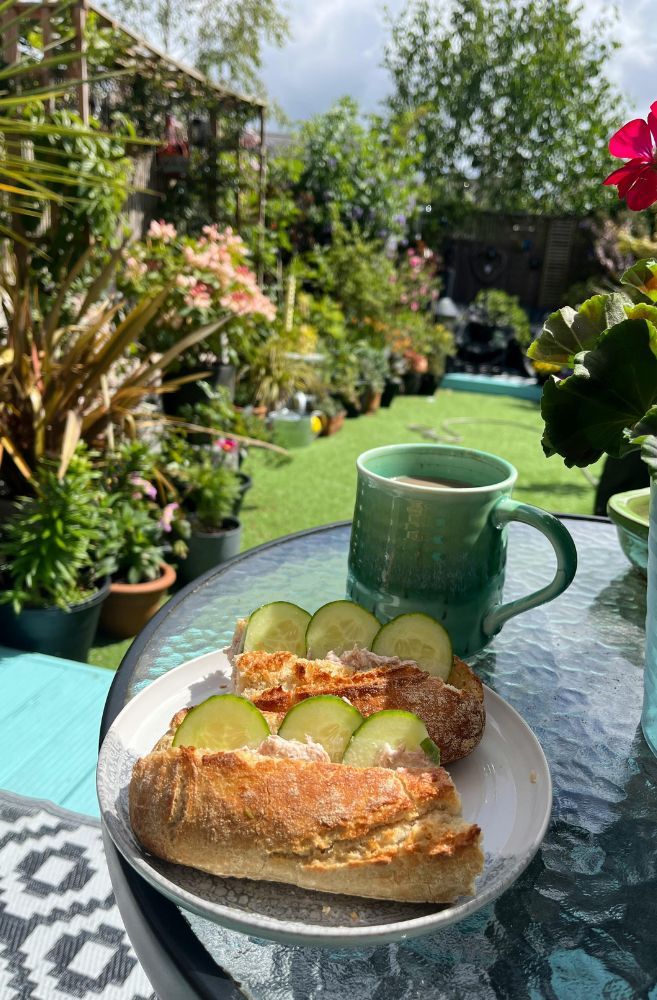
A casual coffee visit usually does not need to last several hours. Around one to two hours is often enough for friends to catch up, have a drink, and enjoy some conversation.
Of course, close friends may naturally stay longer if the conversation is flowing and the host is comfortable. The important thing is not to treat the initial estimate as a strict deadline.
If the visit was arranged specifically for a quick catch up, staying aware of the original purpose can help keep things comfortable.
A shorter visit can still feel meaningful when everyone has enough time to connect.
For anyone still learning how to make short visits feel comfortable and enjoyable, The Ultimate Beginner’s Guide to Entertaining at Home offers a helpful starting point for creating a relaxed experience.
A Casual Lunch

A relaxed lunch at home can comfortably last around two to three hours. This gives guests enough time to arrive, settle in, enjoy the meal, and have a conversation afterward.
The pace of the meal makes a difference. A quick lunch may finish sooner, while a leisurely meal with several courses can naturally take longer.
If you are the host, avoid planning so many activities around lunch that guests feel rushed. Give them time to enjoy the food and conversation before the visit naturally winds down.
Before hosting a casual lunch, The Complete Home Entertaining Checklist can help you organize the practical details so you can focus on enjoying time with your guests.
A Dinner Party

A typical dinner party can comfortably last around three to four hours, especially when drinks, conversation, and several courses are involved.
Guests usually need some time to arrive and settle in before dinner begins. After the meal, people may want to remain at the table or move into the living room for more conversation.
A dinner party does not need to end immediately after dessert. At the same time, guests should remain aware that the host may need to rest or clean up.
Once the main social part of the evening has naturally finished, it is usually a good time to begin wrapping up.
If you are planning a more formal evening, 35 Elegant Dinner Party Ideas for Adults offers inspiration for creating a dinner that feels special without making the occasion unnecessarily complicated.
A Casual Evening Gathering

An informal evening with friends can have a much more flexible schedule.
Three to five hours may be perfectly reasonable, particularly when the gathering involves music, games, food, or relaxed conversation.
The size of the group also affects the pace. A small group may settle into a long conversation, while a larger gathering may naturally become more active.
Hosts can make the expected timing clearer by including an approximate ending time in the invitation. This does not make the gathering feel formal. Instead, it gives guests a useful idea of what to expect.
Music can also help shape the atmosphere of a relaxed evening, and The Best Music Playlist Ideas for Hosting can help you choose the right soundtrack for your gathering.
A Birthday or Celebration

Celebrations can last anywhere from a couple of hours to most of an afternoon or evening.
The planned activities usually determine the length. A birthday brunch may take two to three hours, while a larger birthday celebration with food, games, music, and cake may continue for much longer.
When planning a celebration, think about the experience rather than simply filling a certain number of hours.
Once the main activities are complete and the energy begins to slow down, guests may naturally start heading home.
For a birthday or other celebration, 50 Adult Party Themes Everyone Will Love can give you ideas for creating an occasion that feels entertaining without relying on a rigid schedule.
An Open House

Open houses are different because guests do not necessarily arrive and leave at the same time.
A host may invite people within a particular time window, allowing everyone to stop by according to their own schedule. Individual visits may last anywhere from thirty minutes to a couple of hours.
This format can be particularly useful when you want to welcome many people without committing to one long gathering.
Guests also have more freedom to leave without feeling as though they are ending the entire event.
Since guests may arrive at different times during an open house, How to Make Guests Feel Welcome the Moment They Arrive is a useful guide to creating a warm first impression.
How to Tell When Guests Are Ready to Leave

Sometimes the hardest part of hosting is not deciding how long the gathering should last but recognizing when it is naturally coming to an end.
Guests may begin gathering their belongings, checking the time, or mentioning plans for the following day. Conversation may also become quieter, and the energy in the room may start to change.
These signals do not always mean that everyone wants to leave immediately. They simply suggest that the gathering may be approaching its natural ending.
Watch the Energy of the Room
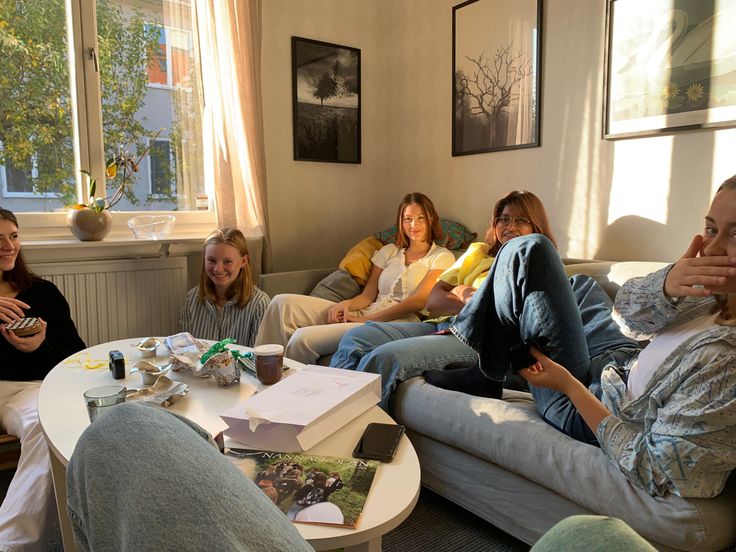
The atmosphere of a gathering can tell you a lot. Early in the evening, guests may be animated, curious, and eager to talk.
Later, conversations may become slower and people may begin settling into quieter activities.
As the energy changes, it can be helpful to start wrapping things up gradually.
You might offer one final drink, begin clearing the table, or mention how much you enjoyed having everyone over.
These small signals can communicate that the evening is winding down without making anyone feel pushed out.
Paying attention to the mood and energy of your guests is one of the qualities discussed in How to Be a Memorable Host, especially when you want people to feel comfortable throughout the gathering.
Notice When Conversations Begin Repeating

A gathering often reaches its natural end when conversations start circling back to subjects that have already been discussed.
Guests may begin repeating stories, checking their phones more frequently, or sitting quietly between conversations. This can be a sign that everyone has enjoyed the main part of the visit.
There is no need to force another activity simply to keep people occupied. Sometimes the best ending is simply allowing the conversation to finish naturally.
If conversation begins to lose its energy, How to Start Conversations at Dinner Parties offers useful ideas for keeping discussions flowing and giving guests something new to talk about.
Pay Attention to the Time

Time matters, especially when hosting in the evening.
A guest may be enjoying themselves but still need to wake up early, travel home, or prepare for the next day. As a host, being mindful of the hour shows consideration.
You do not need to announce that it is time for everyone to leave. A gentle reminder about the time or a warm offer to help guests arrange their journey home can be enough.
Being mindful of the time is also an important part of Hosting Etiquette Every Host Should Know, particularly when you want to respect both your guests and your own schedule.
How Hosts Can Set Comfortable Expectations

One of the easiest ways to avoid uncertainty is to communicate the expected timing before the gathering begins.
You can include a start and end time on the invitation, particularly for larger events. Something as simple as “Join us from 6:00 p.m. to 10:00 p.m.” gives guests a clear idea of the plan.
For informal visits, you can be more relaxed.
Saying that you would love to have someone over for coffee in the afternoon gives them a general sense of the occasion without making the visit feel scheduled down to the minute.
Clear expectations are especially helpful when hosting people who do not know your routine well.
Guests are less likely to worry about overstaying when you have already communicated what works for you.
Setting clear expectations is easier when you prepare properly, and 15 Things Great Hosts Always Do Before Guests Arrive covers several practical steps that can make hosting feel more organized.
How to Encourage Guests to Leave Without Being Rude

There may be moments when you love your guests but genuinely need the gathering to end. You might be tired, have an early morning ahead, or simply need time to clean up and rest.
Ending the evening does not make you an unfriendly host. You can be warm and direct at the same time.
Start by changing the atmosphere slightly. Turn down the music, begin putting away food, or offer guests their coats.
You can also say something simple such as, “I have had such a lovely evening, but I need to get some rest soon.”
There is no need to invent an excuse or make guests feel guilty. A clear and friendly statement is usually more comfortable than dropping repeated hints that they may not understand.
Knowing how to end a gathering comfortably can also make hosting less stressful, which is one reason How to Host Guests Without Feeling Stressed is worth reading before your next visit.
What Guests Can Do to Avoid Overstaying

Good hosting etiquette is a shared responsibility. Guests can make things easier by paying attention to the host as well as their own enjoyment.
When you arrive, consider the type of gathering you were invited to. A casual coffee invitation does not necessarily mean the host has planned an entire afternoon around you.
As the visit progresses, notice the time and the host’s energy.
If they begin cleaning up, checking the clock, or mentioning tomorrow’s schedule, it may be a natural signal that the evening is winding down.
You do not have to leave at the first sign of tiredness. The goal is simply to remain aware and considerate.
Understanding how to create a comfortable experience for everyone is part of becoming a better host, and 25 Easy Ways to Become a Better Host offers additional practical ideas for improving the way you entertain.
What If the Host Keeps Encouraging You to Stay?

Sometimes the host genuinely wants you to stay longer. They may offer another drink, bring out dessert, start another conversation, or tell you that there is no need to leave yet.
In this situation, consider the overall atmosphere rather than one isolated comment.
If the host remains engaged, relaxed, and actively continues the gathering, they may genuinely be enjoying your company.
You can also ask directly. Saying, “Are you sure you are not ready to call it a night?” gives the host an easy opportunity to be honest.
If they clearly encourage you to stay, there is usually no problem with extending the visit. Good communication is much better than trying to interpret every small gesture.
When a host genuinely wants guests to stay and continue enjoying the evening, 25 Casual Dinner Party Ideas Everyone Will Love offers inspiration for keeping a relaxed gathering going without making it feel overly structured.
Overnight Guests Need Different Consideration
Overnight visits require more planning because the guest is sharing your home for a much longer period.
Before someone arrives, agree on the basic length of the stay.
This is particularly important when hosting family or close friends, because familiarity can sometimes make people less likely to discuss practical details.
A guest staying one night is a different commitment from someone staying for several days. Both the host and guest should understand the arrangement beforehand.
If the visit is extended unexpectedly, have an honest conversation about what works for everyone. Clear communication can prevent a comfortable visit from becoming stressful.
If the visit involves an overnight stay, How to Create the Perfect Guest Room can help you prepare a comfortable space that makes a longer visit easier for both host and guest.
Set Expectations Before They Arrive

For overnight guests, it helps to discuss arrival and departure dates in advance.
You can also mention practical details such as breakfast arrangements, bathroom routines, available sleeping space, and any plans you already have during their visit.
These conversations may sound practical, but they actually make the stay more comfortable. Guests know what to expect, and hosts can prepare without feeling caught off guard.
Preparing the essentials in advance is another way to make an overnight stay more comfortable, and Guest Room Essentials Every Host Should Have covers the details worth having ready before your guest arrives.
Give Overnight Guests Some Independence

A guest staying in your home should feel welcome without needing your attention every minute.
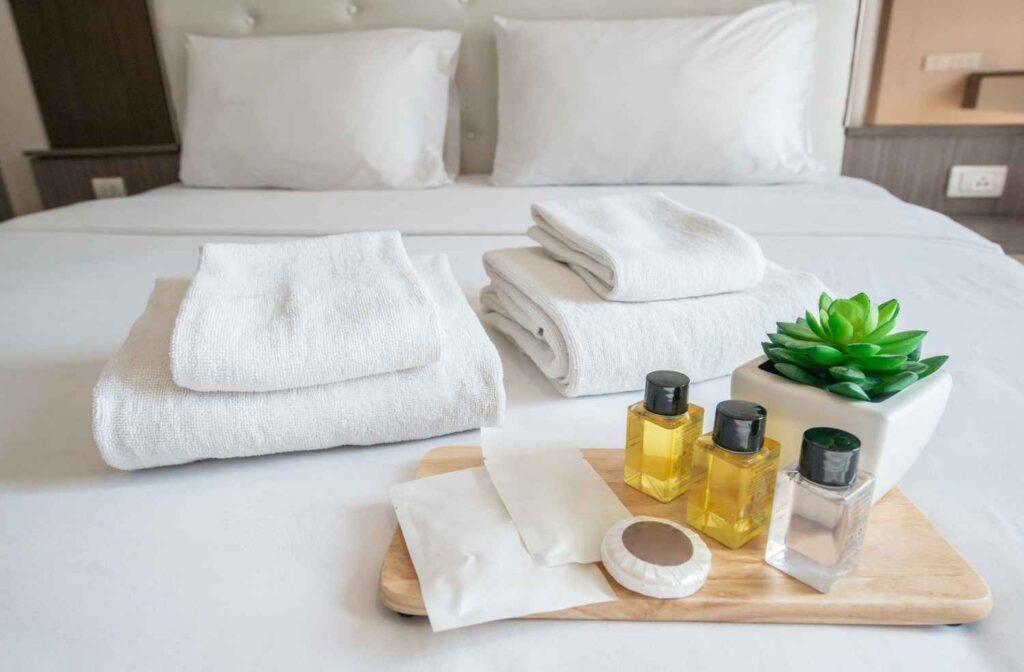
Show them where they can find water, towels, toiletries, and other essentials. Let them know when you will be available and what parts of your home they can use comfortably.
Giving guests some independence allows both sides to have personal time. It also prevents the host from feeling responsible for entertaining someone throughout the entire stay.
Creating a guest space that feels comfortable and self sufficient can make it easier for visitors to enjoy some independence, and 31 Small Guest Room Ideas That Feel Luxurious offers inspiration for making even a smaller space feel inviting.
What Makes a Visit Feel Too Long?

A visit may feel too long when the original purpose has been fulfilled and neither the host nor guest knows how to transition toward the end.
For example, a simple lunch can start feeling unnecessarily long when the meal, coffee, and conversation have all finished but everyone continues sitting without a clear reason.
Another sign is emotional fatigue. Even when people enjoy each other’s company, constant conversation and social interaction can become tiring.
This is especially true for hosts who have been preparing food, cleaning, serving guests, and managing the atmosphere.
Being ready for the gathering to end does not mean they have stopped enjoying their guests.
What Makes a Visit Feel Too Short?

The opposite can happen too. A gathering may feel rushed when guests leave before they have had enough time to settle in or enjoy the main purpose of the visit.
If someone arrives for dinner and leaves almost immediately after eating, the evening may feel incomplete, particularly if the invitation suggested a relaxed social occasion.
Hosts can avoid this by planning enough time around the main activity. If dinner is the focus, allow time for conversation before and after the meal.
The goal is not to maximize the number of hours guests spend in your home. It is to give the gathering enough space to feel satisfying.
How to Make the Ending Feel Natural

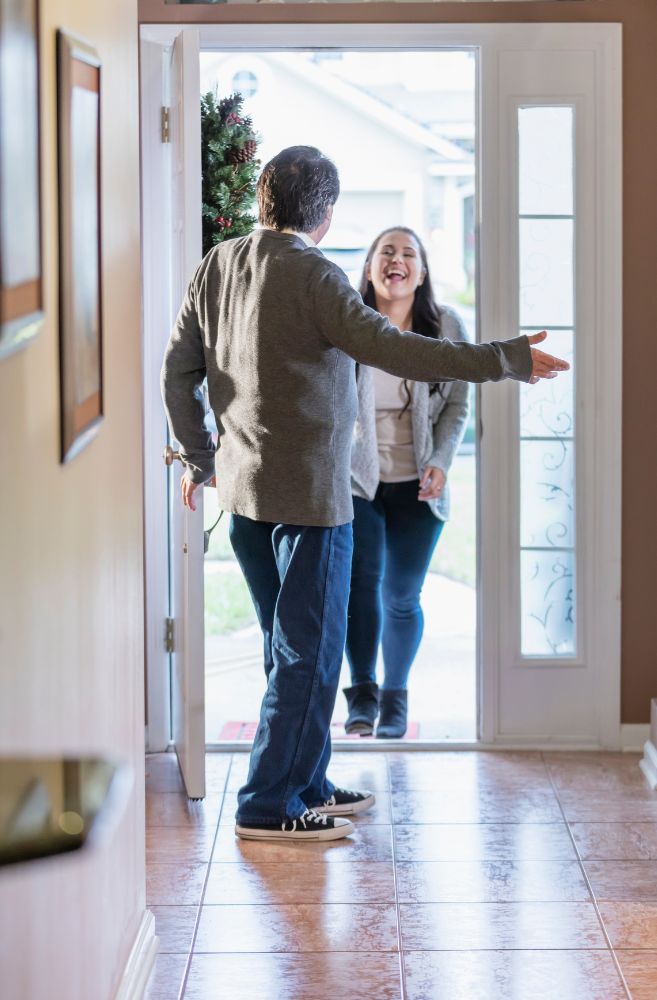
A well planned ending rarely feels like an interruption. Instead, it feels like a natural final stage of the gathering.
Start winding down before you are completely exhausted. Clear away some dishes, lower the music, or move the conversation toward the entryway.
These small changes give guests time to recognize that the evening is ending.
A warm final exchange can also help. Thank your guests for coming and mention something specific you enjoyed about the visit.
When people leave feeling appreciated rather than dismissed, the ending becomes part of the hospitality rather than an awkward moment after it.
Let the Gathering Find Its Natural Rhythm

There is no perfect number of hours that every guest should spend in your home. The right length depends on the occasion, the people involved, the time of day, and the energy of the gathering.
As a general guide, a casual coffee might last one to two hours, lunch around two to three hours, and a dinner party around three to four hours.
Larger celebrations and informal evening gatherings can naturally take longer.
The most important thing is to remain attentive. Hosts should feel comfortable communicating their needs, while guests should pay attention to the atmosphere and timing.
A successful gathering is not measured by how long everyone stays. It is measured by whether people had enough time to connect, enjoy themselves, and leave feeling genuinely welcome.
When the timing feels right, guests can walk away looking forward to the next invitation, and hosts can close the door feeling happy about the time they shared.