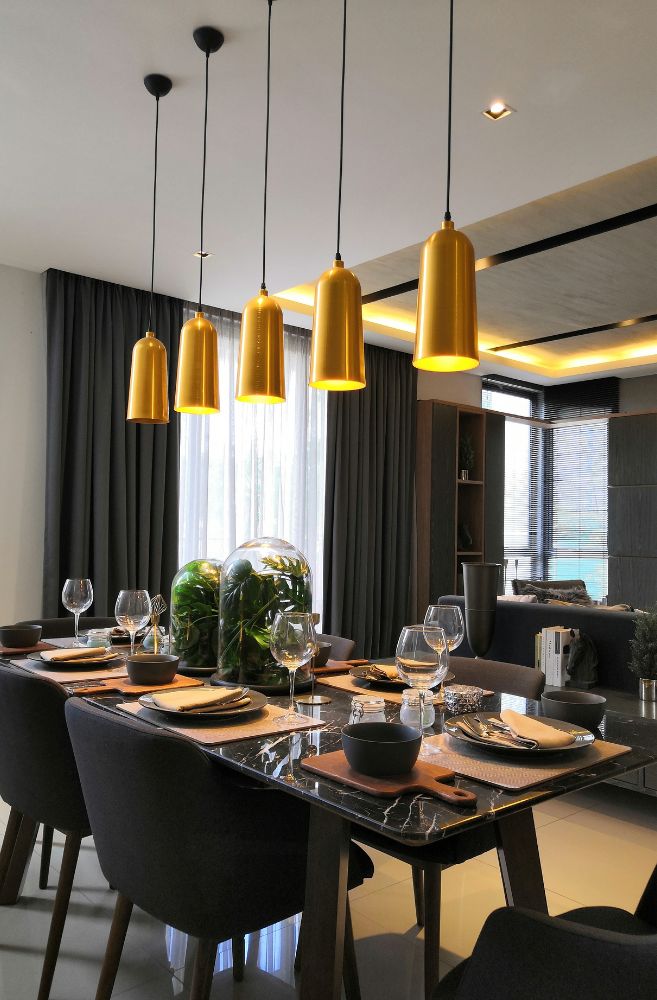

How to Host Guests Without Feeling Stressed
There’s something special about opening your home to the people you care about. A simple invitation can lead to hours of laughter, meaningful conversations, and memories that last far longer than the meal itself. Even so, how to host guests without feeling stressed is a question many people ask, especially when they want everything to go well.
The pressure to clean every corner, cook the perfect meal, and keep everyone entertained can make hosting feel more like a responsibility than a pleasure.
The good news is that memorable gatherings rarely happen because every detail is flawless. They happen because guests feel comfortable, welcome, and appreciated. A relaxed host creates a relaxed atmosphere, and that is often what people remember most.
If you’ve ever found yourself rushing around minutes before the doorbell rings or worrying that your guests aren’t having a good time, you’re certainly not alone. Almost every experienced host has been there at some point. The difference is that, over time, they’ve learned a few practical habits that take the pressure off and make hosting far more enjoyable.
This guide will show you how to prepare with confidence, avoid common hosting mistakes, and create an experience that feels effortless for both you and your guests.
Why Hosting Feels More Stressful Than It Should

Hosting can be surprisingly emotional. Long before anyone arrives, your mind may already be racing through a checklist of things that could go wrong.
Is the house clean enough?
Did you prepare enough food?
Will everyone get along?
What if dinner doesn’t turn out the way you planned?
These thoughts are completely normal. Most people don’t become stressed because they dislike having guests. They become stressed because they care about making others feel welcome.
Social media and beautifully staged homes don’t help either. It’s easy to compare your living room, dining table, or cooking skills with carefully curated photos that represent someone’s best moments rather than everyday life.
In reality, your guests aren’t arriving with a checklist. They’re coming to spend time with you.
That shift in perspective changes everything. Once you stop trying to impress people and start focusing on making them feel comfortable, hosting becomes much more enjoyable.
Set Realistic Expectations Before You Start Planning

One of the biggest reasons people feel overwhelmed is that they try to recreate celebrations they’ve seen online.
An intimate dinner for close friends doesn’t need five courses, elaborate decorations, or professionally folded napkins. Most gatherings become memorable because of the people around the table, not because every detail looked perfect.
Before making any plans, think about the type of gathering you want to create.
Is it a relaxed Sunday lunch?
A birthday dinner?
A casual game night?
A holiday celebration?
Knowing the purpose of your gathering helps you make better decisions from the beginning. It also prevents unnecessary work that doesn’t add much value to the experience.
Simple plans are often the easiest to enjoy because they leave room for conversation, laughter, and spontaneity.
Plan Ahead Instead of Doing Everything at the Last Minute

Preparation is one of the most effective ways to reduce stress.
When everything is left until the final few hours, even small tasks begin to feel overwhelming. Suddenly you’re vacuuming the living room, checking recipes, looking for serving bowls, and answering messages from guests all at once.
A little planning changes the entire experience.
Several days before your gathering, decide on your menu, write a shopping list, and think about anything you’ll need to prepare in advance.
If you’re expecting overnight guests, wash the bedding early and place fresh towels in the guest room ahead of time.
If you’re hosting dinner, check that you have enough plates, glasses, and serving utensils before the day arrives.
Breaking larger tasks into smaller ones makes hosting feel much more manageable.
By the time your guests arrive, you’ll have far less to worry about, leaving you free to focus on enjoying their company.
Create a Simple Hosting Checklist

A checklist doesn’t have to be complicated.
Instead of trying to remember everything, divide your preparation into categories.
Shopping.
Cleaning.
Food preparation.
Guest room setup.
Table arrangement.
Music.
Drinks.
Small tasks completed over several days are far less stressful than trying to finish everything in one afternoon.
Many experienced hosts rely on checklists because they free up mental space. Rather than wondering if you’ve forgotten something, you can simply enjoy the satisfaction of ticking tasks off as you complete them.
Keep Your Guest List Manageable

Hosting becomes much easier when the number of guests matches both your space and your energy.
It’s tempting to invite everyone at once, especially for special occasions. However, larger gatherings require more planning, more food, and more coordination.
If you’re still building confidence as a host, start small.
Invite one family over for dinner.
Host a few close friends for coffee.
Plan a casual weekend brunch instead of a formal evening event.
Smaller gatherings allow you to focus on meaningful conversations instead of constantly managing logistics.
As your confidence grows, hosting larger groups will feel much more natural.
Choose a Menu You Can Prepare With Confidence
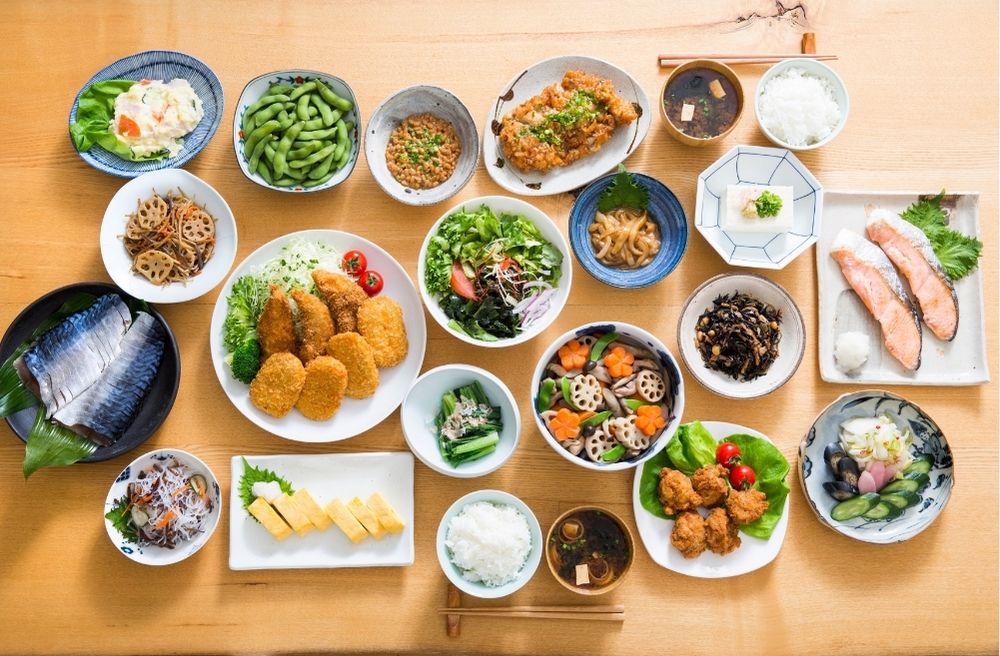
One of the biggest hosting mistakes is trying an ambitious recipe for the very first time when guests are already on their way.
It might work beautifully.
It might not.
Either way, you’re adding unnecessary pressure.
Instead, choose meals you’ve prepared before or recipes with simple steps and familiar ingredients.
Comfort food often creates a warmer atmosphere than complicated dishes that keep you trapped in the kitchen.
Whenever possible, prepare ingredients ahead of time.
Vegetables can be chopped.
Desserts can often be made the day before.
Drinks can be chilled several hours in advance.
Even setting the table early removes several tasks from your to-do list.
The less you need to do while guests are present, the more time you’ll have to actually enjoy the gathering.
Remember That Simple Food Is Often the Most Memorable
Many people assume guests expect an elaborate meal.
Most don’t.
Think about some of your favorite visits to friends or family. Chances are you remember the conversations more vividly than every item on the menu.
A homemade pasta dish, grilled chicken with fresh salad, or a simple taco night can create just as much enjoyment as an expensive three-course meal.
Your guests are there to spend time with you.
The food simply brings everyone together.
Prepare Your Home Without Chasing Perfection
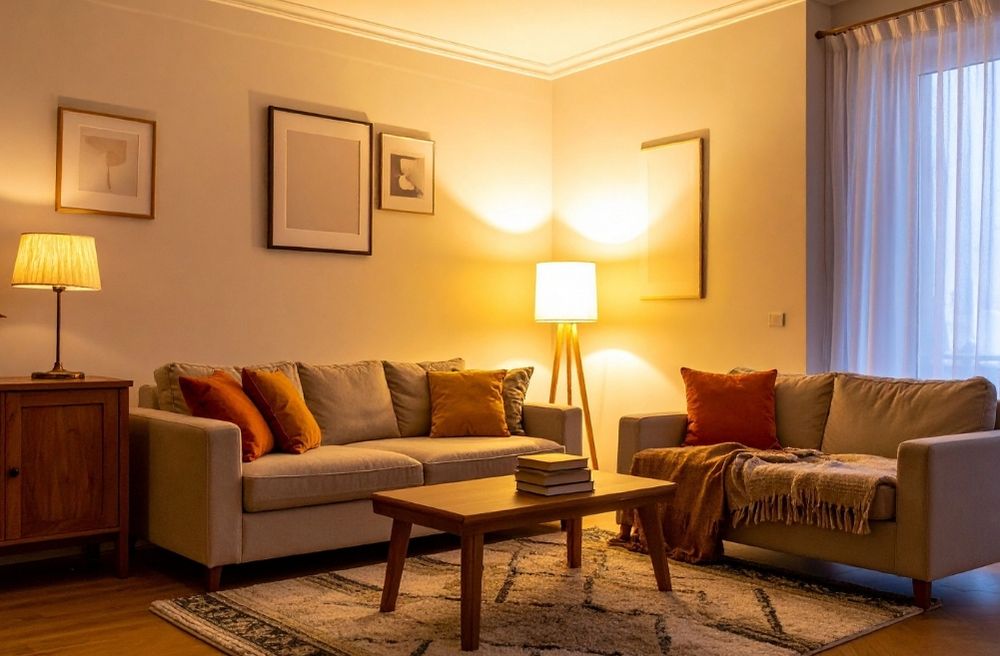
Every home has signs of everyday life.
Laundry baskets.
Children’s toys.
Books on the coffee table.
A pair of shoes near the entrance.
Your guests probably have similar things in their own homes.
Instead of trying to make your house look like a furniture showroom, focus on the spaces your guests will actually use.
A tidy living room.
A clean dining table.
Fresh towels in the bathroom.
A kitchen that’s organized enough for you to cook comfortably.
These details make a much stronger impression than obsessing over places nobody will notice.
Fresh air also makes a surprising difference.
Open the windows for a while before guests arrive if the weather allows. A home that feels bright, comfortable, and fresh immediately creates a welcoming atmosphere.
Create Comfort Through Small Details
Hospitality often lives in the little things.
A blanket folded neatly over the sofa.
Cold water ready when guests arrive on a warm afternoon.
Extra cushions for added comfort.
Phone charging cables available if someone needs one.
These thoughtful touches don’t cost much, but they show your guests that you’ve considered their comfort.
People notice kindness far more than perfection.
Give Yourself Time Before Guests Arrive

Many hosts are still getting dressed while the first guests are ringing the doorbell.
Starting your gathering in a rush often sets the tone for the rest of the evening.
Instead, aim to have everything finished at least thirty minutes before anyone arrives.
Use that time to change clothes if needed.
Sit down for a few minutes.
Have a glass of water or a cup of tea.
Take a deep breath.
When you’re calm before opening the door, you’ll naturally greet people with more warmth and confidence.
Your mood influences the atmosphere more than perfectly folded napkins ever will.
Welcome Guests in a Way That Feels Natural

The first few minutes after your guests arrive often shape the mood for the rest of the visit.
Instead of worrying about what you’ll say, focus on making them feel genuinely happy to be there.
Welcome them with a smile. Offer to take their coat or bag if appropriate. Show them where they can place their belongings and let them know where they can find the bathroom or anything else they might need.
If they’ve traveled a long distance, ask how the journey went before jumping into anything else. It’s a simple way to show that you’re interested in them, not just in hosting a successful gathering.
Small gestures help people settle in quickly.
Most guests aren’t looking for an impressive entrance. They’re looking for a warm one.
Help Guests Feel Comfortable Right Away

Many people hesitate to ask for simple things because they don’t want to inconvenience their host.
You can remove that uncertainty by mentioning a few helpful details early on.
Let them know where drinks are if they’d like another later.
Tell overnight guests where they can find extra towels or blankets.
If you’re comfortable with it, encourage them to help themselves to water or coffee.
Creating that sense of ease allows everyone to relax sooner, including you.
Don’t Try to Entertain Every Minute

One of the biggest misconceptions about hosting is that the host has to keep everyone constantly occupied.
In reality, people enjoy having room to breathe.
Conversations naturally come and go. Some guests will gather around the dining table, while others may chat in the kitchen or step outside for fresh air.
You don’t need to fill every quiet moment.
Comfortable pauses are part of spending time together.
Instead of worrying about what should happen next, pay attention to how your guests are feeling. If people are laughing, talking, and enjoying themselves, there’s no need to interrupt simply because you think you should.
Relaxing into the moment often creates the most memorable gatherings.
Create Opportunities for Conversation

Not everyone walks into a gathering feeling confident.
Some guests are naturally outgoing, while others need a little more time before joining discussions.
As the host, you can help conversations flow without making them feel forced.
Introduce people by mentioning something they have in common.
Instead of saying, “This is Sarah,” try something a little more personal.
“Sarah recently started learning photography, and I remember you mentioning that you enjoy taking pictures too.”
That single detail gives people an easy place to begin talking.
If the conversation slows, ask open-ended questions that invite stories instead of one-word answers.
People usually enjoy talking about travel, hobbies, favourite meals, books, or memorable experiences.
The goal isn’t to lead every conversation. It’s simply to help people feel included.
Accept That Small Things Will Go Wrong

Every gathering has its unexpected moments.
Someone arrives later than planned.
A dish takes longer to cook.
A drink gets spilled.
The weather changes at the last minute.
These situations can feel stressful if you expect everything to unfold perfectly.
Instead of seeing them as problems, treat them as normal parts of bringing people together.
Most guests won’t remember that the bread stayed in the oven a few extra minutes.
They’ll remember how relaxed you remained when it happened.
Your response often matters far more than the situation itself.
Staying calm helps everyone else stay comfortable too.
Focus on Solutions Instead of Perfection
If something doesn’t go according to plan, avoid apologizing repeatedly.
A brief acknowledgement is enough.
Then move on.
If dinner is delayed, offer a few snacks.
If rain changes your outdoor plans, bring everyone inside and continue the conversation.
People appreciate flexibility far more than perfection.
Some of the funniest stories shared years later begin with small mishaps that nobody expected.
Let Guests Help If They Offer
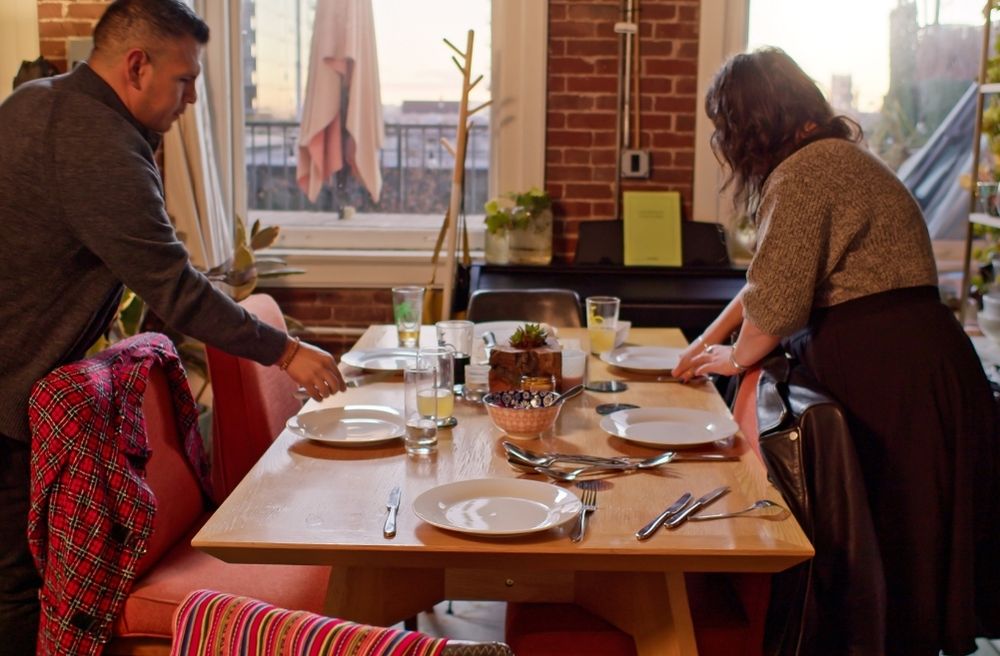
Many hosts automatically refuse every offer of help.
While that’s kind, accepting small acts of assistance can actually make guests feel more involved.
If someone offers to carry drinks to the table or help clear a few plates, there’s nothing wrong with saying yes.
You don’t have to hand over the entire evening.
Simple tasks are enough.
Hosting isn’t about proving you can do everything alone.
It’s about creating an enjoyable experience that everyone contributes to in their own way.
Pay Attention to Different Personalities

No two guests experience gatherings in exactly the same way.
Some people enjoy being at the centre of every conversation.
Others prefer listening quietly before joining in.
Children may need breaks from sitting at the table.
Older relatives may appreciate a quieter place to rest for a few minutes.
Observing these differences helps you become a more thoughtful host.
Instead of treating every guest the same, look for small ways to help each person feel comfortable.
That might mean adjusting the seating arrangement, lowering the music slightly, or checking if someone would like another drink.
Thoughtfulness often shows itself in quiet moments rather than dramatic gestures.
Give Yourself Permission to Enjoy the Gathering

It’s surprisingly common for hosts to spend the entire evening working.
Refilling glasses.
Washing dishes.
Straightening cushions.
Checking the oven.
By the end of the night, everyone else has enjoyed themselves while the host feels exhausted.
Don’t let that become your experience.
Sit down.
Share the meal.
Join the conversation.
Laugh when everyone else is laughing.
Your guests came to spend time with you, not to watch you work.
When you’re fully present, the atmosphere becomes more relaxed for everyone.
That’s one of the greatest gifts you can offer as a host.
Hosting Gets Easier Every Time

Confidence doesn’t appear overnight.
Like any new skill, hosting becomes easier through experience.
Your first gathering may leave you thinking about all the things you could have done differently.
That’s perfectly normal.
The next one will feel a little easier.
You’ll discover which meals work well, learn how much preparation you really need and become more comfortable welcoming people into your home.
Over time, you’ll stop worrying about perfection and start looking forward to the opportunity to bring people together.
Every great host starts somewhere. If you’re new to entertaining, our Ultimate Beginner’s Guide to Entertaining at Home offers practical advice to help you build confidence and enjoy hosting from your very first gathering.
That’s when hosting begins to feel less like work and more like a meaningful part of your life.
The Best Gatherings Leave People Feeling Cared For

Guests rarely leave talking about perfectly folded napkins or expensive decorations.
More often, they remember how relaxed they felt sitting around your table, the conversations that stretched into the evening, and the simple kindness they experienced while they were in your home.
Learning how to host guests without stress isn’t about finding a secret formula or becoming the perfect host. It’s about preparing well, keeping your expectations realistic, and giving yourself permission to enjoy the people you’ve invited into your space.
Some gatherings will be beautifully planned. Others will include small surprises you never saw coming. Both can become wonderful memories when the focus stays on connection instead of perfection.
The more you welcome people into your home, the more confident you’ll become. Before long, hosting will feel less like something you have to get right and more like one of the most rewarding ways to spend time with the people who matter most.