

The Perfect Hosting Timeline for Any Gathering
Disclosure: Some of the links in this post are affiliate links. This means if you click on the link and purchase an item, I will receive an affiliate commission at no extra cost to you.
A successful gathering rarely comes together by accident. From deciding what to serve to welcoming the first guests at the door, the small tasks involved in entertaining can quickly add up.
Having a hosting timeline helps you organize those details, avoid last minute pressure, and enjoy the occasion instead of spending the entire event rushing between tasks.
The trick is not to plan every minute of the day. It is to know what needs attention and when, so you can spread the work across several days rather than leaving everything until the final hour.
A dinner party, birthday celebration, casual get together, or holiday gathering may require different preparations, but the same basic timeline can help you stay organized.
You can adjust the details to suit your guest count, menu, venue, and the kind of atmosphere you want to create.
Here is a practical schedule to help you prepare for a gathering from the first planning decisions to the final moments of the evening.
Two Weeks Before: Decide What Kind of Gathering You Are Hosting

Start by deciding what you want the occasion to feel like.
A relaxed afternoon with friends will need a different approach from a formal dinner, so having a clear idea of the gathering will help guide your decisions.
Think about the number of guests, the atmosphere you want to create, and the activities that might be part of the occasion.
You do not need every detail figured out immediately, but a general direction will make the remaining planning easier.
This is also a good time to consider your budget and how much preparation you can realistically manage.
Planning an event that suits your time, space, and resources will make the experience more enjoyable for you and your guests.
Ten to Fourteen Days Before: Prepare the Guest List and Send Invitations

Once you have a general plan, put together your guest list and send invitations early enough for people to make arrangements.
Include the date, starting time, location, and any information guests need before deciding to attend.
Give people a reasonable deadline to respond, especially if you are preparing a meal or arranging seating.
Having a clearer idea of the guest count will help you estimate food quantities, drinks, chairs, and other essentials.
If some guests have not responded as the gathering approaches, follow up a few days before the event.
You can also use this opportunity to confirm important arrangements and share reminders about parking, arrival times, or special instructions.
Seven to Ten Days Before: Plan the Menu and Drinks

Food often requires more thought than any other part of hosting, particularly when you are preparing several dishes for a group.
Start planning the menu early so you have enough time to choose recipes, check ingredients, and identify anything that can be prepared ahead.
Consider the type of gathering and the time of day when choosing what to serve.
A casual afternoon event may only need light refreshments, while an evening dinner could call for a main course, sides, dessert, and a selection of drinks.
Remember to ask about allergies and dietary restrictions before finalizing the menu.
You can make a few thoughtful adjustments without creating an entirely separate meal for every guest.
If you are considering asking guests to contribute to the meal, Should You Ask Guests to Bring Food? offers useful guidance on handling shared food arrangements without making anyone feel obligated.
Five to Seven Days Before: Check Your Supplies and Make a Shopping List
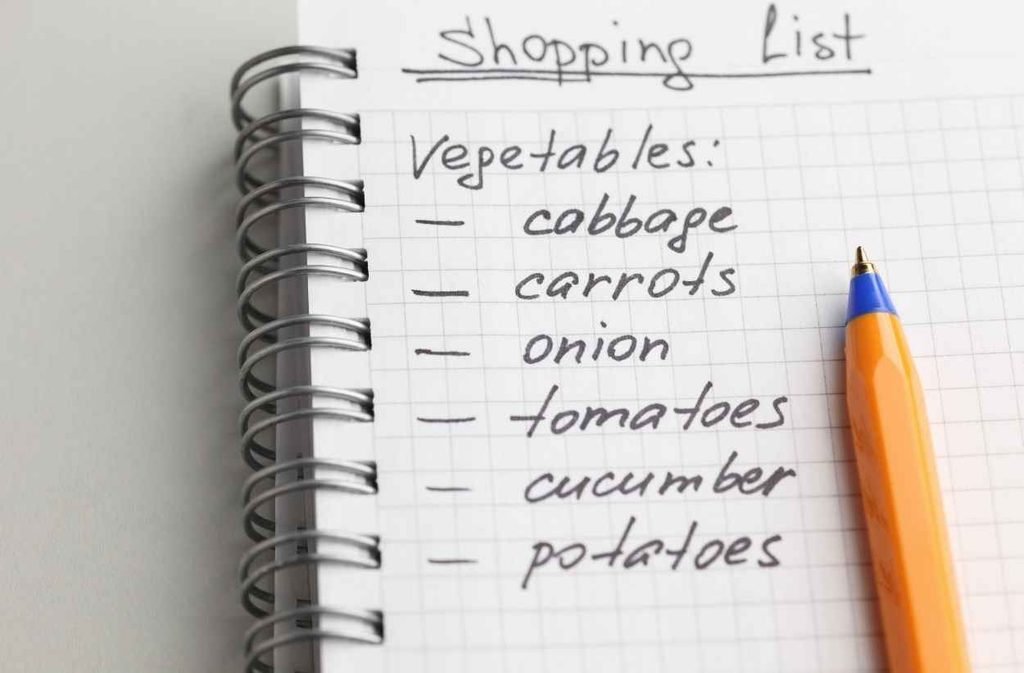
With the guest count and menu becoming clearer, take an inventory of what you already have at home.
Check your dinnerware, glasses, serving bowls, cutlery, napkins, table linens, and any equipment you will need for preparing or serving food.
Write down the items that are missing instead of relying on memory during your shopping trip.
It is also worth checking practical supplies such as food storage containers, kitchen foil, cleaning products, rubbish bags, and extra toilet paper.
Separate your shopping list into food, drinks, household supplies, and decorative items.
making it easier to see what needs to be purchased immediately and what can wait until closer to the gathering.
Three Days Before: Begin the Shopping and Food Preparation

Start purchasing groceries and supplies that can be bought in advance.
Dry ingredients, packaged snacks, drinks, and certain vegetables can usually be handled before the final shopping trip, depending on your menu and storage arrangements.
You can also prepare components that keep well, such as sauces, dressings, marinades, baked desserts, or items that need time to chill.
Follow the recipe instructions and store prepared food safely in suitable containers.
Avoid preparing delicate ingredients too early if they are likely to lose their freshness.
The aim is to reduce the amount of work remaining without compromising the quality of what you serve.
Two Days Before: Organize and Clean the Main Gathering Areas

Begin preparing the spaces where guests will spend most of their time.
Think about the entrance, living room, dining area, kitchen, and guest bathroom, making sure each area is comfortable and easy to use.
This is a good time to rearrange furniture, bring out additional chairs, clear unnecessary clutter, and decide where guests will sit or place their belongings.
Once the layout is settled, clean the floors, wipe surfaces, empty bins, and freshen up the rooms.
You do not need to deep clean every corner of your home. Focus on the areas guests are likely to notice and use, leaving only small touch ups for the day of the gathering.
If relatives or friends will be staying overnight, 35 Cozy Guest Bedroom Ideas can help you create a comfortable space for them beyond the main gathering areas.
The Day Before: Prepare the Table and Serving Areas

Setting up the dining table ahead of time can remove one more task from your event day schedule.
Arrange the plates, glasses, cutlery, napkins, and any decorative details you have chosen for the occasion.
If the gathering involves buffet service, organize the serving area and decide where each dish will go.
Leave enough space for serving utensils and make sure guests can reach the food without crowding one another.
You can also label serving dishes or place small notes where particular items will sit.
This is especially helpful when several people are contributing food or when you have a large menu to coordinate.
To give your dining table a polished appearance without spending too much, explore these 21 Affordable Centerpieces That Look High-End.
The Morning of the Gathering: Handle Fresh Food and Final Errands

On the morning of the event, focus on the tasks that genuinely need attention that day.
Pick up fresh ingredients, bread, flowers, ice, or other items that are best purchased close to serving time.
Check the menu and identify which dishes need to be cooked, assembled, or reheated later.
Make sure you understand the order in which everything needs to be prepared so several dishes do not compete for the same oven, cooker, or workspace.
It can also help to prepare a small checklist for the remaining tasks.
Having everything written down gives you a clear picture of what still needs doing instead of leaving you to remember every detail while moving around the kitchen.
Three to Four Hours Before: Finish the Main Food Preparation

Begin cooking the dishes that require the longest preparation time.
Follow your menu in a sensible order, giving yourself enough room to handle each recipe without rushing through the steps.
Prepare salads, arrange cold appetizers, portion ingredients, and finish any dishes that can safely be completed ahead of serving.
Keep hot foods at safe temperatures and refrigerate items that need to remain chilled until they are ready to serve.
Do not wait until the final few minutes to think about presentation.
Arrange serving dishes and decide how the finished food will be brought to the table.
One Hour Before: Get Yourself Ready

It is easy to spend so much time preparing for guests that you forget to leave time for yourself.
Set aside an hour before the gathering to get dressed, freshen up, and take a short break from the kitchen.
Choose your outfit ahead of time so you are not making last minute decisions while food is being prepared.
If you need to change after cooking, give yourself enough time to do so comfortably.
This is also a good moment to check your personal essentials, such as your phone, keys, and anything you may need during the evening.
Feeling ready before the first guest arrives makes it easier to welcome people with a relaxed attitude.
Thirty Minutes Before: Set the Atmosphere and Make Final Checks

The final half hour is for creating the feeling you want guests to experience when they walk in.
Adjust the lighting, put on your chosen background music, and make sure the main gathering areas are comfortable.
Arrange welcome drinks or simple refreshments if you plan to offer them as guests arrive.
Check that glasses, napkins, and serving items are easy to reach so you are not searching through cupboards when the doorbell rings.
Take one final look around the home, check the bathroom, and make sure walkways are clear.
Resist the temptation to keep changing things at this stage; your home simply needs to feel ready for people to enjoy themselves.
For more inspiration on creating a welcoming atmosphere, these 60 Cozy Dinner Party Ideas for Every Season offer ways to make an evening gathering feel warm and inviting.
As Guests Arrive: Welcome Everyone Without Rushing

When the first guests arrive, give them your attention rather than immediately returning to every unfinished task.
Welcome them warmly, show them where to put their belongings, and help them settle into the gathering.
If people arrive at different times, make it easy for early guests to enjoy a drink or light refreshment while waiting for the others.
This gives everyone something to do without making the arrival period feel awkward.
You can still attend to a few small hosting duties, but avoid disappearing into the kitchen for long stretches.
Guests are there to spend time with you, and your presence is part of the experience.
During the Gathering: Follow the Flow of the Event

Once everyone has arrived, use your original plan as a guide rather than treating it as a strict schedule.
Serve food when the timing feels right, introduce activities when appropriate, and allow conversations to develop naturally.
Keep an eye on practical needs without constantly interrupting the occasion.
Refill drinks, clear a few dishes when convenient, and make sure guests have access to anything they need.
Some parts of the gathering may take longer than expected, and that is perfectly normal.
A flexible approach allows you to respond to the atmosphere instead of worrying about staying exactly on schedule.
After Guests Leave: Take Care of the Essentials

When the gathering ends, you may be tempted to clean everything immediately, but there is no need to turn the end of the evening into another demanding task.
Start with the essentials, such as storing leftover food safely, clearing perishable items, and making sure any appliances are switched off.
Gather dishes and serving utensils in one place so they are easier to wash later.
You can also wipe down obvious spills, dispose of rubbish, and leave the kitchen in a condition that will not create extra work the following morning.
If you are tired, give yourself permission to leave the less urgent cleaning until later.
A successful gathering should leave you with pleasant memories, not the feeling that you have worked through the entire evening.
The Following Day: Reset and Reflect

The day after the event, finish the remaining cleaning and return your home to its usual arrangement.
Wash the dishes, put away decorations, clean the dining area, and return borrowed or rented items as needed.
Take a moment to think about what worked particularly well.
Perhaps the menu was easy to manage, the arrival arrangements helped guests settle in, or a particular activity brought everyone together.
Make a brief note of anything you would change next time.
These small observations can make future gatherings easier to organize because you will have a better idea of what suits your home, your guests, and your hosting style.
Make Your Hosting Timeline Work for You
A good hosting timeline is not about filling every hour with tasks or making sure everything happens at an exact minute.
It is about giving yourself enough time to prepare, making thoughtful decisions in advance, and leaving room to enjoy the people you invited into your home.
You can use this schedule for almost any gathering, from a small dinner with friends to a larger family celebration.
Move tasks forward when your event requires more preparation, simplify the schedule for casual occasions, and adjust the timing to suit your menu and guest list.
The most important part is remembering that you are hosting people, not putting on a perfect performance.
When the preparation is spread out and the details are organized, you can spend less time worrying about what comes next and more time enjoying the gathering you worked so hard to create.