
Simple Hosting Habits That Leave a Lasting Impression
Disclosure: Some of the links in this post are affiliate links. This means if you click on the link and purchase an item, I will receive an affiliate commission at no extra cost to you.
The best hosts are not always the ones with the biggest homes, most elaborate meals, or most beautiful decorations. Often, the simple hosting habits that make guests feel remembered, appreciated, and genuinely welcome are the ones that leave the strongest impression.
People may forget what was served at a gathering, but they are more likely to remember how they were treated. A thoughtful greeting, a little consideration, or a kind gesture can turn an ordinary visit into an experience worth remembering.
Good hospitality is built through small actions repeated consistently. Here are some simple habits that can help you become a more thoughtful host and make every visit feel special.
Remember the Little Things Your Guests Tell You

One of the easiest ways to make someone feel appreciated is to remember details they have shared with you.
It could be their favorite drink, a food they dislike, an upcoming event, or a hobby they enjoy discussing.
You do not need an impressive memory to make this happen. Pay attention during conversations and make a mental note of details that might be useful during a future visit.
When you remember something weeks later, it shows that you were genuinely listening.
Even a small comment such as asking how their new job is going can make a guest feel that their presence matters beyond the day they visit.
This kind of consideration is also part of The Psychology Behind Memorable Hospitality, where small personal gestures help create meaningful guest experiences.
Greet Guests With Genuine Enthusiasm

The way you welcome someone can shape how they feel throughout their visit.
A warm smile, friendly greeting, and moment of personal attention can immediately make a guest feel more comfortable.
Try not to greet visitors while continuing to focus on something else.
Even if you are finishing a small task, pause briefly to acknowledge their arrival and make them feel expected.
Your greeting does not need to be dramatic or overly enthusiastic.
A sincere welcome that reflects your personality is often much more memorable than a rehearsed expression of hospitality.
It is one of the simple practices worth developing when learning How to Be a Memorable Host.
Learn and Use People’s Names

Remembering someone’s name is a small gesture that can make an interaction feel more personal.
It helps guests feel recognized rather than treated like another person passing through your home.
When someone introduces themselves, make an effort to remember their name.
Repeating it naturally during the conversation can help you recall it later, especially when you are meeting several people at once.
Be careful not to overuse names in every sentence. A natural greeting, introduction, or farewell is enough to show that you recognize and value the person you are speaking with.
Offer Guests a Choice Instead of Making Assumptions

Thoughtful hosts understand that guests do not all have the same preferences. Some people enjoy coffee, others prefer tea, and some may simply want a glass of water.
Instead of deciding everything on someone’s behalf, offer a few simple choices.
You might ask if they would prefer a cold drink or something warm, or allow them to choose between two available desserts.
Giving people options shows consideration without making the visit feel complicated.
It also allows guests to enjoy what they genuinely want rather than feeling obliged to accept whatever is offered first.
These small considerations are among the 15 Things Great Hosts Always Do Before Guests Arrive.
Pay Attention to Dietary Preferences

Food is a major part of many gatherings, but not everyone eats the same things.
Some guests may avoid certain ingredients, follow particular eating preferences, or have allergies that require extra attention.
Before planning a meal, make it a habit to ask about dietary needs.
This is especially helpful when inviting someone for the first time or hosting a group with different food preferences.
When serving, identify dishes clearly if guests may need to know what they contain.
A little consideration can prevent uncomfortable situations and help everyone enjoy the meal with greater confidence.
Introduce Guests With Something They Have in Common

Bringing people together is one of the enjoyable parts of hosting, but unfamiliar guests may not always know how to begin a conversation.
A thoughtful introduction can make that first interaction much easier.
Rather than simply announcing two names, mention a shared interest or experience.
You might tell one guest that another enjoys travelling, works in a similar field, or has recently visited a place they both know.
This gives people a natural starting point without forcing them into a conversation. Once they find something to discuss, allow them to continue at their own pace.
For more ideas on helping unfamiliar guests connect, How to Make New Guests Feel Like Old Friends offers useful inspiration.
Notice When Someone Needs a Little Attention

Not every guest will immediately ask for what they need. Some people may be too shy to request another drink, ask for directions, or mention that they are uncomfortable.
Make it a habit to observe how people are doing without constantly monitoring them.
If someone looks uncertain, you can quietly ask if they need anything or help them find what they are looking for.
The goal is to be attentive without making visitors feel watched. A little awareness can help you respond to small needs before they become uncomfortable moments.
This is one of the qualities that separates considerate hosts from those who overlook the small details discussed in Hosting Etiquette Every Host Should Know.
Give Guests Your Full Attention During Conversations

A guest who is speaking to you should feel that you are genuinely interested in what they have to say.
Constantly checking your phone, looking around the room, or interrupting can make conversations feel unimportant.
Try to give people your attention when they are sharing a story or asking you something.
You do not have to agree with every opinion, but listening respectfully helps create a pleasant interaction.
If you need to attend to something urgent, explain briefly and return to the conversation when you can.
This simple habit shows that you value the person rather than treating their visit as another task on your schedule.
If you want to make dinner conversations more engaging, How to Start Conversations at Dinner Parties has ideas worth exploring.
Respect Guests’ Personal Space
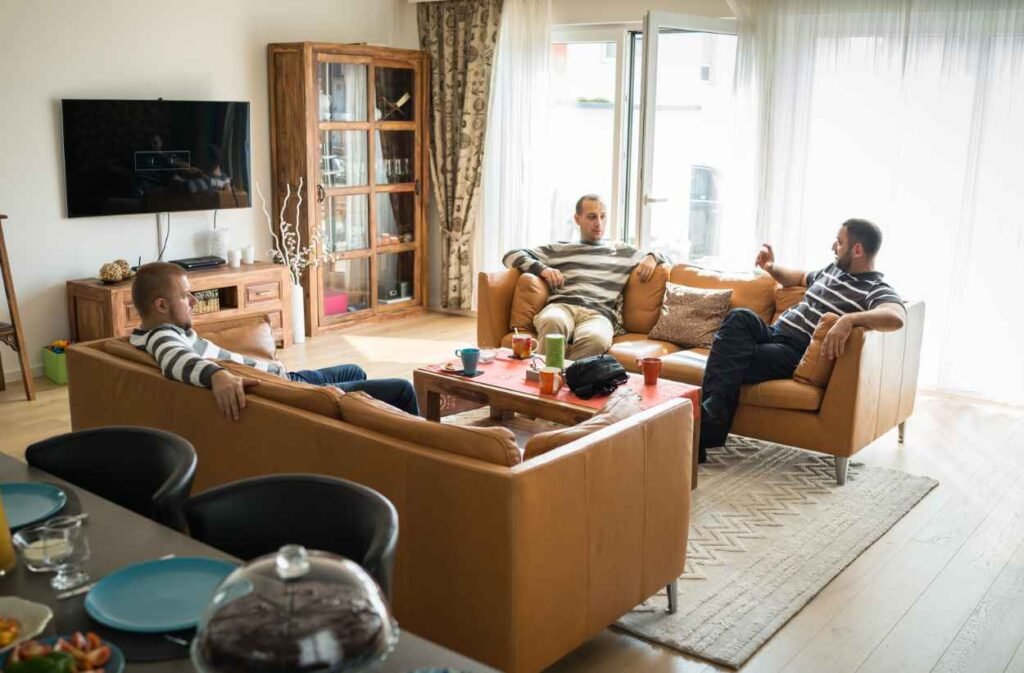
Good hospitality involves making people feel comfortable without becoming overly involved in everything they do.
Some guests enjoy lively interaction, while others appreciate a little personal space.
Pay attention to how visitors respond during conversations and activities.
If someone seems to prefer observing quietly, there is no need to keep encouraging them to participate in every discussion.
Respecting personal space also means avoiding unnecessary questions about private matters.
Guests should be able to enjoy their visit without feeling pressured to explain personal decisions or share information they would rather keep to themselves.
Make an Effort to Include Everyone

During group gatherings, it is easy for a few confident people to dominate conversations while others remain on the sidelines.
A thoughtful host makes an effort to ensure that everyone has an opportunity to feel involved.
You can do this by inviting quieter guests into a discussion when the moment feels appropriate.
Asking for someone’s opinion on a topic they understand can give them a natural opportunity to contribute.
Avoid putting anyone on the spot or making them feel obligated to speak. The aim is to create an atmosphere where people feel welcome to participate without pressure.
You can find more practical ways to achieve this in How to Include Quiet Guests in Group Conversations.
Give Compliments That Feel Personal and Sincere

A genuine compliment can make a guest feel appreciated.
It might be something about their outfit, a thoughtful gift they brought, a story they shared, or an achievement they recently mentioned.
The most meaningful compliments are specific rather than automatic.
Instead of repeatedly saying that everything looks nice, mention the detail you genuinely noticed and why you appreciate it.
Avoid making comments that could leave someone uncomfortable, particularly about their appearance or personal circumstances.
A kind and sincere observation is enough to make someone feel good without turning the moment into an awkward exchange.
Make Space for Guests Who Arrive With Children
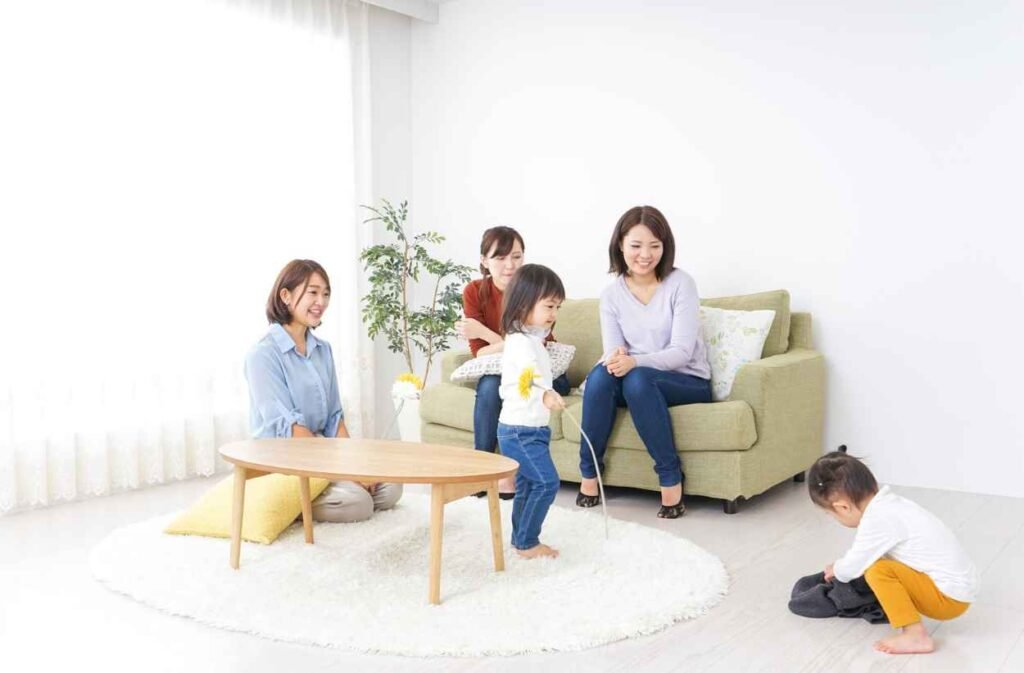
Guests who bring children may have a few additional things to consider during a visit.
They might need somewhere to keep a bag, space for a stroller, or a convenient place to attend to their little ones.
You can make the experience easier by asking if there is anything that would help them settle in.
A small cleared area or a suitable chair can make a difference without requiring you to organize an elaborate children’s setup.
It is also helpful to speak warmly to the children themselves. A friendly greeting and a little acknowledgement can help parents feel that their entire family is welcome.
If you regularly welcome families with young children, How to Host Guests When You Have Young Children offers additional ideas for making visits easier.
Be Considerate of Guests’ Time

People have different schedules, responsibilities, and commitments outside your home. Being a thoughtful host includes respecting the time they have set aside for your gathering.
Communicate the expected starting time and provide a general idea of how the occasion will unfold.
This helps visitors make plans and reduces uncertainty about the length of their stay.
If something changes, let guests know as soon as possible. Respecting their schedules shows that you value their time just as much as you appreciate their decision to visit.
It is also helpful to understand How to Politely End a Party without Annoying Guest so gatherings can come to a comfortable close.
Keep Your Promises as a Host

Small promises can shape how guests feel about an invitation.
If you tell someone you will send the address, prepare a particular dish, or arrange a specific activity, make an effort to follow through.
You do not need to promise more than you can comfortably manage.
It is better to communicate honestly about what you can provide than to create expectations you may struggle to meet.
If plans change, explain the situation rather than leaving guests uncertain.
Reliability may not be the most visible part of hospitality, but it helps people feel confident when accepting future invitations.
If plans change, explain the situation rather than leaving guests uncertain.
Reliability may not be the most visible part of hospitality, but it helps people feel confident when accepting future invitations.
Consistency is also one of the habits worth developing when working towards How to Become the Host Everyone Loves Visiting.
Offer Help Without Making Guests Feel Incapable

Some visitors may appreciate assistance with carrying belongings, finding a seat, or getting something they need.
Offering help is a thoughtful gesture, particularly when someone is unfamiliar with your home.
However, there is a difference between being helpful and taking control of everything.
Ask before stepping in, especially when someone appears comfortable managing a task themselves.
A simple offer gives people the freedom to accept or decline. It communicates that you are available without making them feel that they cannot look after themselves.
Be Gracious When Something Goes Wrong

Even well planned gatherings can have unexpected moments. A dish may not turn out as expected, a drink could spill, or something may take longer than you anticipated.
Your reaction can influence how comfortable everyone feels.
Instead of becoming visibly upset or repeatedly apologizing, handle the situation calmly and move on when it has been resolved.
Guests are usually more concerned about the overall experience than a small mistake.
A relaxed response can prevent an ordinary mishap from becoming the moment everyone remembers.
It is worth remembering that Why Guests Leave Early (It May Not Be What You Think) explores some of the less obvious reasons a gathering may not feel enjoyable.
Thank Guests for Coming

A thoughtful farewell is an important part of making visitors feel appreciated. As guests prepare to leave, take a moment to thank them for spending time with you.
You can mention something you particularly enjoyed about their visit.
Perhaps you appreciated a conversation, enjoyed hearing their stories, or were happy they could attend despite having a busy schedule.
A sincere thank you should feel personal rather than automatic. It helps close the visit on a warm note and reminds guests that their presence was genuinely valued.
Follow Up After the Gathering

Hospitality does not have to end the moment the last guest leaves. A short message afterwards can show that you appreciated the visit and enjoyed having everyone around.
You might thank someone for coming, mention a funny moment from the gathering, or ask if they arrived home safely.
If a guest travelled a long distance, this small gesture can be especially thoughtful.
Keep the message natural and personal. You do not need to send a lengthy note to everyone, but a few sincere words can help maintain the connection beyond the occasion.
Remember Guests When Planning Future Invitations

Good hosts learn from the people they welcome. Paying attention to what guests enjoy can help you make future invitations more thoughtful and personal.
Perhaps a friend particularly enjoyed an outdoor lunch, while another preferred a quiet dinner with fewer people.
Remembering these preferences can help you choose occasions that suit the people you want to invite.
You do not need to repeat the same gathering every time. Simply use what you have learned to make future visits feel more considered and enjoyable.
For more ideas on building lasting connections through hospitality, The One Hosting Habit That Can Make People Hesitant to Accept Invitations is another useful read.
Let Thoughtfulness Become Part of Your Hosting Style
Leaving a lasting impression does not require grand gestures or constant entertainment. Often, it is the small signs of consideration that make people feel genuinely welcome.
Remembering names, listening carefully, respecting personal space, and following through on promises can gradually become natural parts of the way you host.
These habits do not require expensive purchases or complicated preparation.
Most importantly, allow your hospitality to feel genuine.
When your actions come from a sincere interest in making people comfortable, guests are more likely to remember the warmth of your home and look forward to visiting again.