

The One Hosting Habit That Can Make People Hesitant to Accept Invitations
Disclosure: Some of the links in this post are affiliate links. This means if you click on the link and purchase an item, I will receive an affiliate commission at no extra cost to you.
The one hosting habit that can make people hesitant to accept invitations is making guests feel like their presence creates too much work for you.
You may genuinely enjoy having people over, but repeated comments about cooking, cleaning, expenses, or exhaustion can make guests feel like accepting your invitation is a burden.
This often happens without a host realizing it. You might mention how long you spent preparing the meal, apologize repeatedly for the work involved, or point out everything that went wrong. Even when you mean no harm, those comments can change how your guests experience your hospitality.
Most people do not expect a perfect home or an elaborate meal. They simply want to feel wanted and comfortable. When your invitation feels warm and genuine, guests can relax. When they feel responsible for your effort, they may think twice before accepting the next invitation.
When Hospitality Starts Feeling Like a Favor
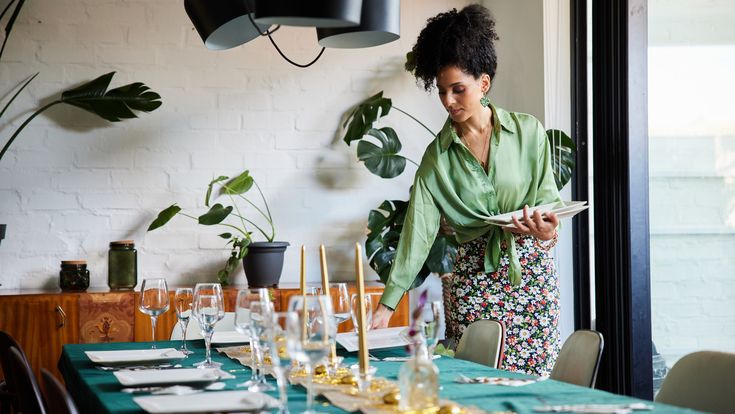
Inviting people into your home should communicate that you want their company. That message can become less clear when guests repeatedly hear about everything you had to do to make the gathering happen.
Imagine arriving for dinner and hearing that the host has been cooking since morning, cleaning for hours, and still has plenty left to do. The host may simply be sharing the reality of the day, but the guest can easily start feeling responsible for all that effort.
Over time, that feeling can affect future invitations. A guest may decide to decline because they do not want to put you through the same amount of work again.
Hosting does require effort, but guests do not need to carry the emotional weight of that effort. If you chose to prepare an elaborate meal or spend extra time getting the house ready, let that generosity remain generous.
If you are still finding your footing as a host, The Ultimate Beginner’s Guide to Entertaining at Home offers a helpful foundation for creating a relaxed experience for everyone.
Stop Making the Work Behind the Gathering the Main Conversation

There is nothing wrong with mentioning that you spent time preparing for guests. The problem begins when the effort becomes a repeated part of the evening.
Talking about how early you woke up, how much shopping you did, or how many dishes you prepared can make guests wonder if they should have offered more help. They may even feel guilty for relaxing while you continue working.
Your preparation should support the gathering rather than become something guests feel they need to repay.
If you want to talk about the meal, talk about what you enjoyed making or what inspired the menu. That keeps the conversation positive without making guests feel like they owe you for the work.
Small changes in the way you prepare and interact with guests can make a noticeable difference, as explained in 25 Easy Ways to Become a Better Host.
Let Small Hosting Mistakes Go

Things rarely go perfectly when you host. A dish may take longer than expected, something may burn, or the table may not look exactly as planned.
Guests usually do not need a detailed report of every mistake.
Constantly pointing out what went wrong can make you seem disappointed with your own gathering. Guests may then feel like their presence has somehow contributed to that disappointment.
A simple mistake can often become a funny memory when you handle it lightly. If dessert does not turn out perfectly, serve it anyway and move on. If dinner runs a little late, keep everyone comfortable while you finish.
Your guests came to spend time with you, not inspect your performance.
Learning to stay calm when plans change is one of the easiest ways to make hosting more enjoyable, and How to Host Guests Without Feeling Stressed explores practical ways to do exactly that.
You Do Not Need to Apologize for Everything

Some hosts apologize so often that guests end up spending part of the evening reassuring them.
The house is not spotless. The chairs do not match. Dinner is simple. The centerpiece is smaller than expected. Something is missing from the menu.
Most guests are probably not bothered by these things.
Repeated apologies can actually draw attention to imperfections that nobody had noticed. A more relaxed approach is to accept your choices and allow the gathering to unfold.
A casual table can simply be a casual table. A simple meal can still be delicious. Your home can look lived in and still feel welcoming.
Confidence in your hosting choices makes the entire experience more comfortable.
A relaxed approach to hosting is part of modern etiquette, and 25 Modern Hosting Etiquette Everyone Should Know covers several thoughtful ways to make guests feel comfortable.
Choose a Level of Hosting You Can Enjoy

One of the best ways to avoid making guests feel like a burden is to stop creating gatherings that consistently overwhelm you.
You do not need five courses when three will do. You do not need elaborate decorations for a casual dinner. You do not need to clean rooms that nobody will use.
Choose a level of hosting that fits your time, energy, and budget.
Serving food family style, preparing dishes ahead, simplifying the menu, or keeping the gathering small can make a significant difference.
The goal is not to prove how much work you can handle. The goal is to create an evening you can actually enjoy alongside your guests.
Even simple choices such as music can help create an enjoyable atmosphere without adding unnecessary pressure, and The Best Music Playlist Ideas for Hosting offers inspiration for setting the right mood.
Keep Your Home Welcoming Instead of Perfect

A clean home is thoughtful, but your home does not need to look untouched by everyday life.
Focus on the spaces your guests will use. Tidy the living area, bathroom, dining space, and entryway. Remove unnecessary clutter, but do not feel pressured to transform every room.
Guests generally feel more comfortable in a home that feels lived in than one that seems too precious to touch.
A cookbook on the counter, a cushion slightly out of place, or dishes waiting to be served will not ruin the gathering. In many cases, these little signs of everyday life make the space feel warmer.
A little preparation can make your home feel ready for company without turning the process into an exhausting project, as shown in 15 Things Great Hosts Always Do Before Guests Arrive.
Make Invitations Feel Easy to Accept

Not every invitation needs to feel like a major event.
Simple invitations can actually strengthen relationships because they remove some of the pressure surrounding formal gatherings.
“Come over for dinner on Saturday” can feel much easier to accept than an invitation that comes with elaborate expectations.
Casual hospitality gives people more opportunities to spend time together without waiting for a birthday, holiday, or special occasion.
The easier you make it to say yes, the less likely guests are to associate your invitations with a large commitment.
Keeping gatherings simple can make invitations easier to accept, and 25 Casual Dinner Party Ideas Everyone Will Love offers plenty of inspiration for relaxed occasions.
Let Guests Relax Without Hovering

Thoughtful hosts naturally want to make sure everyone is comfortable. But there is a point where constant attention can have the opposite effect.
You do not need to refill someone’s glass every few minutes, adjust their seat repeatedly, or ask if they need something every time they move.
Show guests where they can find water, food, or anything else they may need, then allow them to settle in.
Being attentive does not mean hovering.
People are more likely to enjoy returning to a home where they can relax naturally instead of feeling like every movement is being monitored.
Creating a welcoming atmosphere also means giving people enough space to settle in comfortably, something explored in How to Make Guests Feel Welcome the Moment They Arrive.
Do Not Turn Guests Into Helpers

Guests may offer to bring dessert, clear plates, or help in the kitchen. It is perfectly fine to accept genuine offers.
The problem is making people feel responsible for keeping the gathering running.
If hosting requires so much work that everyone has to participate just to keep things under control, the gathering may simply be too complicated.
Accept help when someone happily offers it, but do not create an expectation that guests must work during their visit.
Your guests came to spend time with you.
Knowing when to accept help and when to let guests simply enjoy themselves is part of thoughtful hosting, and Should You Ask Guests to Bring Food? explores another side of sharing responsibilities with guests.
Share the Reality of Hosting Without Creating Guilt

There is an important difference between sharing and guilt tripping.
Saying, “I started cooking earlier than I expected today” is simply a comment about your day.
Saying, “I have been cooking for six hours because everyone wanted to come over” gives the guest a different message.
You do not need to pretend that hosting requires no effort. You simply need to avoid presenting that effort as something guests caused.
If you enjoy cooking, enjoy sharing the food. If you cleaned the house because you wanted everyone to be comfortable, let the clean space speak for itself.
The invitation should feel like an expression of generosity, not an invoice for your time.
How to Host Guests Without Feeling Stressed is also useful for understanding how to manage the work of hosting without allowing it to take over the experience.
Let People Decline Without Pressure

Your response when someone cannot attend can also influence how comfortable they feel with future invitations.
People have different schedules, responsibilities, budgets, and energy levels. Sometimes they simply cannot make it.
Comments such as “You always say no” or “I went through all that preparation for nothing” can make future invitations uncomfortable.
You may genuinely feel disappointed, but your guest should not have to manage those feelings for you.
A simple “No problem. We will catch up another time” keeps the relationship comfortable.
People are much more likely to accept future invitations when they know saying no once will not create tension.
Understanding that guests have different schedules and comfort levels is an important part of good hospitality, much like the considerations discussed in How Long Should Guests Stay?
Stop Keeping Score

Hospitality becomes uncomfortable when invitations start feeling like a loyalty test.
You may notice that some friends attend every gathering while others rarely come. You may also notice who brings something, who offers help, and who invites you back.
Those patterns can be useful to notice, but they do not need to become a running scorecard.
Someone can care about you deeply and still be unable to attend every gathering.
Invite people because you genuinely want their company. Let relationships develop naturally rather than making every invitation part of an informal exchange system.
Being a memorable host has more to do with how people experience your hospitality than keeping track of what everyone contributes, as explored in How to Be a Memorable Host.
Focus on What Guests Actually Experience

When planning a gathering, it can be easy to focus on everything happening behind the scenes.
You may be thinking about the shopping, cooking, cleaning, decorating, serving, and tidying that still needs to happen.
Your guests experience something different.
They experience the welcome at the door. They notice how comfortable the room feels. They enjoy the food, conversation, music, and company. They notice how relaxed or stressed you seem.
That is why the amount of work behind an event is not the best measure of successful hosting.
A host who prepares a simple meal and enjoys the evening with everyone may create a better experience than someone who spends all day preparing an impressive gathering and is too exhausted to participate.
Looking at the gathering from your guests’ perspective can help you focus on the details that actually matter, and The Complete Home Entertaining Checklist can help with the practical preparation behind that experience.
What Good Hosting Should Feel Like

Good hospitality should feel generous without making the guest feel indebted.
Your guests should be able to enjoy the food without calculating how much it cost. They should be able to relax without worrying about how much work you still have to do. They should be able to decline an invitation without fearing that you will take it personally.
That does not mean you need to hide the reality of hosting.
It simply means you choose a level of preparation that you can comfortably manage and avoid placing the emotional responsibility for that preparation on your guests.
When you host within your capacity, the difference can be noticeable. You have more energy to sit down, listen, laugh, and enjoy the people you invited.
Creating an atmosphere where guests feel respected and comfortable is at the heart of Hosting Etiquette Every Host Should Know.
Make Your Invitations Feel Like Invitations Again

The most important shift is simple: let your invitation communicate that you want someone’s company.
Prepare the meal because you want to share it. Tidy the house because you want your guests to feel comfortable. Set the table because you enjoy creating a welcoming atmosphere.
Then let those things speak for themselves.
You do not need to repeatedly explain how much effort went into them.
If something goes wrong, handle it and move on. If the menu is simple, enjoy it. If the house is not perfect, let your guests settle in anyway.
The less pressure you attach to your hospitality, the easier it becomes for people to enjoy accepting your invitations.
Simple gatherings can be just as meaningful as elaborate celebrations, and 35 Beautiful Brunch Party Ideas for Every Occasion shows how inviting people over can remain enjoyable without excessive preparation.
Let Your Hospitality Feel Like an Invitation

Hosting will always require some effort. There will be shopping, preparation, cooking, cleaning, and tidying afterward.
But your guests should not have to carry that burden with you.
If you regularly make people feel responsible for your time, money, or exhaustion, they may eventually start declining invitations even when they would genuinely enjoy seeing you.
The answer is not to stop caring about hosting. It is to make your hospitality sustainable.
Choose gatherings you can manage comfortably. Simplify when necessary. Stop apologizing for harmless imperfections. Let guests relax. Allow yourself to enjoy the evening too.
Most importantly, let your invitation mean what it is supposed to mean:
“I would like to spend time with you.”
When guests believe that message, accepting an invitation feels good rather than complicated.
And when people can walk into your home without worrying that they are creating too much work, expense, or stress, they are far more likely to say yes the next time you ask.
Paying attention to how guests experience your home can help you avoid habits that make people uncomfortable, which is also the focus of 15 Reasons Guests Might Not Enjoy Visiting Your Home (and Easy Ways to Fix Them).