

Why Guests Leave Early (It May Not Be What You Think)
Disclosure: Some of the links in this post are affiliate links. This means if you click on the link and purchase an item, I will receive an affiliate commission at no extra cost to you.
Why guests leave early is not always a sign that they disliked your home, your food, or the gathering itself. Sometimes, a guest has another commitment, feels tired, has a long journey home, or simply knows when they have had enough social time.
Still, if guests regularly seem to leave much earlier than expected, it is worth looking at the experience you are creating. Small details can influence how comfortable people feel, how long they want to stay, and how naturally the evening unfolds.
A guest may leave because the room is uncomfortable, the conversation feels difficult, the meal is running late, or they do not know what is expected of them. None of these things necessarily mean the gathering has failed.
Good hosting is partly about noticing these subtle signals. Instead of taking an early departure personally, look at the bigger picture and consider what your guests may be experiencing.
Leaving Early Does Not Always Mean Something Went Wrong

Before examining possible problems, remember that people have their own lives outside your gathering.
Someone may have an early morning, a long drive home, a family responsibility, or simply less energy than they expected. Another guest may only have planned to stay for an hour or two.
That is why you should not automatically interpret an early goodbye as criticism.
The more useful question is whether guests are leaving early occasionally or consistently. If someone leaves once, there may be nothing to investigate. If several guests repeatedly leave soon after arriving, there may be something about the experience worth adjusting.
Pay attention to patterns rather than individual departures.
1. The Gathering Starts Too Late

A late starting time can make guests think carefully about how long they can realistically stay.
Someone who arrives at 8:30 p.m. may be happy to spend two hours with you but unlikely to remain until midnight. The later the gathering begins, the smaller the window for relaxed socializing may become.
This is particularly important for dinner parties. If dinner is scheduled for 8 p.m. but guests do not sit down until nearly 9:30, some people may already be thinking about going home.
Try to choose a start time that matches the kind of gathering you are hosting. An afternoon gathering can naturally run longer, while a weekday dinner may work better when it begins earlier.
Before the gathering begins, The Complete Home Entertaining Checklist can help you organize the important details, including your timing and preparation.
2. Guests Are Tired or Have Early Plans

Sometimes the simplest explanation is the correct one.
Your guests may genuinely be tired. They may have worked all day, travelled to your home, looked after children, or have an early appointment the next morning.
You cannot always tell from someone’s mood that they are ready to go. A guest can be laughing and enjoying the conversation while still knowing they need to leave soon.
Avoid taking this personally.
Instead, make it easy for guests to leave when they need to. A gathering feels more welcoming when people know they can say goodbye without having to defend their decision.
Understanding your guests’ energy levels and personal schedules is one of the 25 Easy Ways to Become a Better Host.
3. The Conversation Feels Difficult to Join

A guest can enjoy your home and still struggle to participate in the conversation.
This often happens when several guests already know one another. They may share stories, memories, and inside jokes that leave a newer guest unsure about how to contribute.
If someone spends most of the evening listening without finding a natural opening, they may eventually decide that leaving is easier.
As the host, look for opportunities to bring people into the conversation. Introduce a guest to someone with a shared interest, ask an open question that several people can answer, or briefly explain an inside story so everyone understands the context.
The aim is not to force constant participation. It is simply to make sure nobody feels invisible.
If guests are struggling to find their way into the conversation, How to Start Conversations at Dinner Parties offers useful ways to get people talking naturally.
4. The Room Is Too Hot, Cold, Loud, or Crowded

Physical discomfort can shorten a visit surprisingly quickly.
A room that is too warm, too cold, excessively noisy, or overcrowded can make people feel tired and uncomfortable. They may not complain because they do not want to appear difficult.
Instead, they may simply decide that it is time to go.
Before guests arrive, think about the physical conditions of the space. Is there enough seating? Can people hear one another? Is the temperature comfortable? Is there enough room to move around?
During the gathering, pay attention to subtle signs. If several people are fanning themselves, standing near windows, putting on sweaters, or speaking louder than usual, the environment may need adjusting.
Creating a comfortable environment is an important part of How to Make Guests Feel Welcome the Moment They Arrive.
5. The Meal Takes Too Long to Arrive

At a dinner party, guests generally expect food to be part of the evening.
If everyone arrives hungry but dinner is delayed for a long time, people may become uncomfortable, especially if they have other plans afterward.
This does not mean every course has to appear immediately. A relaxed dinner can take time. The problem comes when guests have no idea when they will actually eat.
Have something small available during the arrival period if dinner will not be served immediately. A simple snack and a drink can keep people comfortable while you finish preparing the meal.
Good timing helps guests enjoy the gathering rather than spend the first hour wondering when dinner will begin.
If you are planning a more elaborate meal, 35 Elegant Dinner Party Ideas for Adults can give you inspiration for creating a dinner that feels special without becoming stressful.
6. The Gathering Feels Too Formal
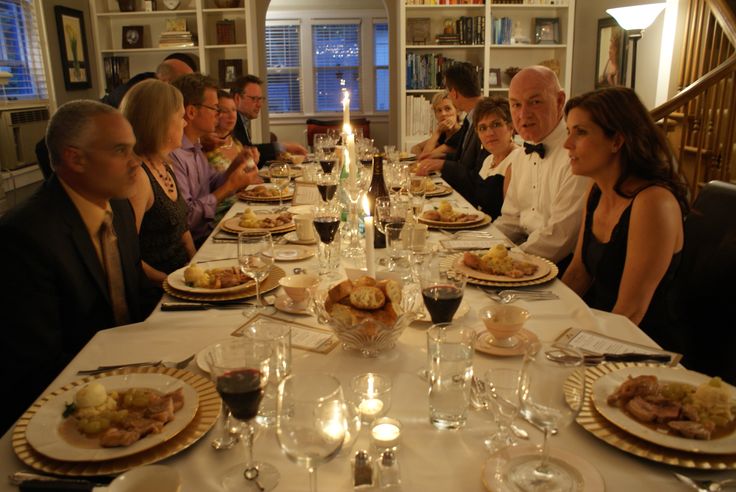
A beautiful table and carefully planned meal can make a gathering feel special, but too much formality can sometimes make guests hesitant to relax.
People may become overly careful about where they sit, what they touch, how they eat, or how they behave.
If guests feel like they are attending a formal event rather than spending time in someone’s home, they may not settle in as easily.
Let the atmosphere match the occasion. You can have an elegant dinner without making every moment feel rigid.
Warm conversation, comfortable seating, relaxed music, and an approachable host can make even a beautifully prepared gathering feel easygoing.
You can create an impressive setting without making the entire evening feel rigid, as shown in 45 Elegant Table Setting Ideas That Look Expensive.
7. You Are Too Busy Hosting to Spend Time With Them

A host can accidentally make guests feel like they are attending an event rather than visiting a person.
If you spend the entire evening in the kitchen, clearing plates, washing dishes, refilling drinks, and checking decorations, your guests may barely get to spend time with you.
Some people may eventually leave because the main reason they came was to see you.
Prepare as much as possible before guests arrive. Set the table, organize drinks, prepare ingredients, and finish major cleaning ahead of time.
Once everyone arrives, allow yourself to participate. A host who sits down, laughs, listens, and enjoys the gathering creates a much more personal experience.
Doing as much preparation as possible beforehand is one of the practical lessons in 15 Things Great Hosts Always Do Before Guests Arrive.
8. Guests Feel Like They Are Being Pressured to Stay

Trying to convince guests to stay can sometimes have the opposite effect.
If someone says they need to leave and you repeatedly respond with, “Already?” or “Stay a little longer,” they may feel guilty about going.
That can make the goodbye uncomfortable.
Give people room to decide when they have had enough. You can tell them that you enjoyed having them without making them feel obligated to extend the visit.
A warm response such as, “I am so glad you came. Have a safe trip home,” communicates appreciation without pressure.
Respecting someone’s decision to leave can actually make them more comfortable staying longer at future gatherings because they know they can leave freely.
Respecting a guest’s decision to leave is an important part of Hosting Etiquette Every Host Should Know.
9. There Is No Clear Flow to the Evening

Guests usually feel more comfortable when they have a general sense of how the gathering will unfold.
This does not mean you need a strict schedule. It simply helps to have some natural progression.
People arrive, have a drink, settle into conversation, eat, perhaps move to another room, enjoy dessert, and eventually say goodbye.
If there are long periods where nobody knows what is happening next, the gathering can begin to feel disorganized.
You do not have to announce every stage. Simple cues are enough. Let guests know when dinner is ready, offer another drink when appropriate, or suggest moving somewhere more comfortable after the meal.
A little structure can provide comfort without making the evening feel controlled.
For a better understanding of how to structure a relaxed gathering, The Ultimate Beginner’s Guide to Entertaining at Home is a useful place to start.
10. The Conversation Becomes Negative or Uncomfortable

Conversation has a powerful effect on how people experience a gathering.
A discussion about work, politics, relationships, money, family problems, or personal disagreements can become uncomfortable surprisingly quickly.
Guests may tolerate an awkward conversation for a while before deciding they would rather go home.
As the host, you do not have to police every topic. However, you can redirect a conversation when it becomes tense or unpleasant.
Introduce a lighter subject, ask someone about a recent trip, bring attention to the food, or invite another guest into the discussion.
The goal is not to prevent meaningful conversations. It is to keep the overall atmosphere comfortable enough for people to enjoy being together.
Knowing how to maintain a pleasant atmosphere is an important part of How to Be a Memorable Host.
11. Guests Do Not Feel Comfortable in the Space
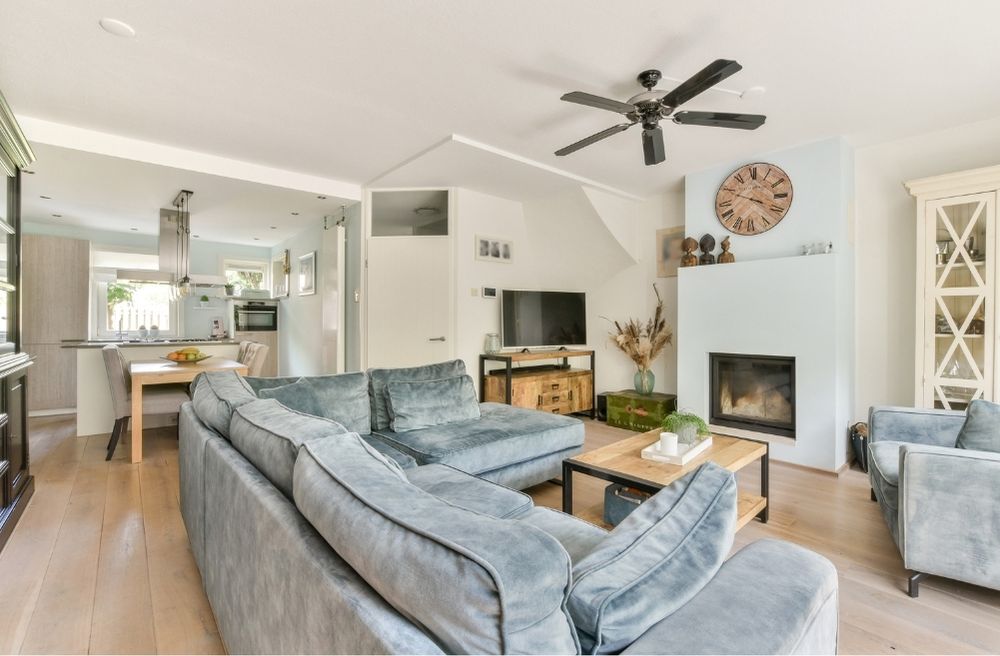
A home does not need to be large or luxurious to make guests feel welcome.
It does need to be reasonably easy to navigate.
Guests should have somewhere to sit, somewhere to put their belongings, access to the bathroom, and a comfortable place to spend time.
Small inconveniences can add up. Someone may not know where to put their coat. Another person may feel awkward asking where the bathroom is. Someone else may not know if they can help themselves to water.
Think about these details before people arrive.
The easier your home is to use, the less mental effort guests have to spend figuring things out.
Many small details can affect how comfortable people feel, which is why 15 Reasons Guests Might Not Enjoy Visiting Your Home (and Easy Ways to Fix Them) is worth exploring.
12. The Host Seems Stressed

Guests are often more perceptive than hosts realize.
You may think you are hiding your stress, but constant rushing, apologizing, checking the clock, correcting small mistakes, or worrying about the food can affect the atmosphere.
Guests may start feeling like their presence is creating extra work for you.
That can make them decide to leave earlier than planned.
You do not have to pretend everything is perfect. If something goes wrong, handle it calmly and move on.
A relaxed response to a spilled drink or delayed dish can reassure guests that they are not causing a problem simply by being there.
If hosting pressure is affecting the atmosphere, How to Host Guests Without Feeling Stressed offers practical ways to make entertaining feel easier.
13. The Gathering Has Become Too Long
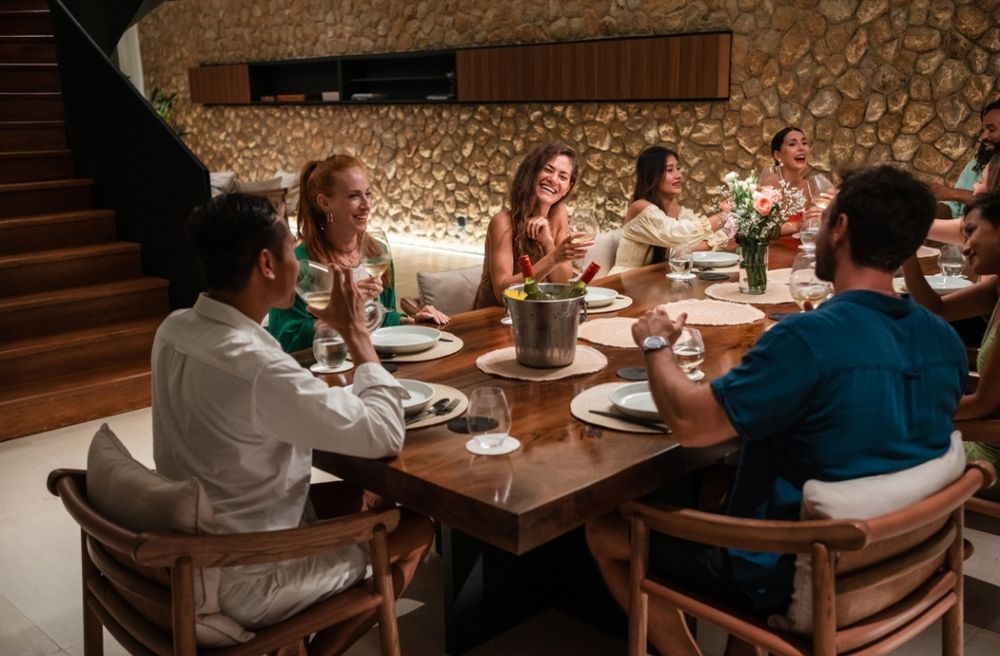
An early departure is not always a sign that the gathering should have continued.
Sometimes guests leave because they have already enjoyed enough of the evening.
A dinner party that lasts five hours may be wonderful for some people and exhausting for others. Social energy has limits, even when everyone is having fun.
Pay attention to the natural rhythm of the gathering. If conversations are slowing, guests are checking the time, or people are beginning to gather their belongings, the evening may simply be reaching its natural ending.
A shorter gathering that ends while everyone is still enjoying themselves can leave a better impression than one that continues long after the energy has disappeared.
Music can quietly influence the mood and pacing of a gathering, so The Best Music Playlist Ideas for Hosting can help you create the right atmosphere as the evening progresses.
14. Guests Do Not Know Anyone Else

Arriving alone at a gathering where everyone else already knows one another can be uncomfortable.
A guest may initially feel excited to meet new people but become discouraged if they spend most of the evening trying to find their place.
This is especially important when you invite people from different parts of your life.
Take an active role in making introductions. Explain briefly how you know each person and look for simple connections between guests.
Once people find someone they can talk to comfortably, you can step back.
Your job is not to make everyone become friends. It is to make the first connection easier.
When you have guests from different parts of your life, How to Introduce Guests Who Don’t Know Each Other can help you make those first connections feel more natural.
15. They Simply Prefer Smaller or Shorter Gatherings

Not everyone enjoys long social events.
Some people love spending an entire evening at a crowded dinner party. Others prefer a quiet meal with two or three people and feel ready to leave after a couple of hours.
That difference is not necessarily a reflection of your hosting.
If someone regularly leaves early but appears happy while they are there, it may simply be their preferred amount of social time.
You can also consider the type of gathering you invite them to. A smaller dinner, afternoon coffee, or casual lunch may suit them better than a large evening party.
Good hosting includes understanding that different guests have different social preferences.
If someone prefers a more relaxed and shorter social experience, 25 Casual Dinner Party Ideas Everyone Will Love offers ideas that may suit that preference better.
When Guests Leave Early, Do Not Take It Personally

An early departure can be surprisingly easy to overthink, especially when you have put considerable effort into hosting.
You may replay the evening in your head and wonder if something you said, served, or did caused your guest to leave. But there are many reasons someone might head home that have nothing to do with the quality of your gathering.
They may be tired, busy, responsible for someone at home, uncomfortable in large groups, or simply ready for a quiet evening. Some guests naturally prefer shorter visits, while others may have schedules that make staying late difficult.
Instead of focusing on how long people stayed, pay attention to how they behaved while they were there.
Did they seem relaxed? Did they participate in conversations? Did they enjoy the food? Did they laugh? Did they appear comfortable enough to settle in?
Those signs tell you much more about the success of your gathering than the time someone walked through the door on their way home.
Good hosting also means knowing when to let people leave gracefully.
You do not need to persuade someone to stay for another drink or another conversation. A warm goodbye can leave a much better impression than making a guest feel guilty for leaving.
The next time someone heads home earlier than expected, resist the urge to assume the worst.
Your responsibility is not to keep guests in your home for as many hours as possible. It is to make the time they spend with you comfortable, enjoyable, and welcoming.
If they leave feeling appreciated and happy they came, you have already done the important part well.
Ultimately, understanding guest preferences and giving people room to enjoy the gathering in their own way is part of 25 Modern Hosting Etiquette Everyone Should Know.






One Comment