

The Psychology Behind Memorable Hospitality
Disclosure: Some of the links in this post are affiliate links. This means if you click on the link and purchase an item, I will receive an affiliate commission at no extra cost to you.
The psychology behind memorable hospitality explains why some visits stay with us long after we return home. We might forget what was served for dinner or how the room was decorated, yet remember how welcome, relaxed, and appreciated we felt.
Great hospitality goes beyond beautiful table settings and delicious food. It involves understanding how people experience social situations, form emotional connections, and respond to the atmosphere around them.
The good news is that you do not need professional training to make guests feel special. Understanding a few simple psychological principles can help you create gatherings that people remember for all the right reasons.
People Remember How You Make Them Feel

One reason hospitality leaves a lasting impression is that emotions often shape how we remember experiences.
Guests may not recall every detail of an evening, but they can remember feeling comfortable, included, or genuinely appreciated.
Think about a visit that left you feeling particularly happy. Perhaps your host listened attentively, made you laugh, or helped you feel comfortable in an unfamiliar group.
Those emotional moments may be what made the experience meaningful.
As a host, focus on creating an atmosphere where people can relax and enjoy themselves.
The food and decorations still matter, but the feelings surrounding them can make the gathering more memorable.
Creating positive emotional experiences is an important part of becoming a host people remember, and How to Be a Memorable Host offers more practical ways to leave guests with a lasting impression.
A Warm Welcome Reduces Social Anxiety

Arriving at someone’s home can feel surprisingly uncomfortable, especially when guests do not know everyone attending.
People may wonder where to sit, who to speak to, or how to join an ongoing conversation.
A warm greeting helps remove some of that uncertainty.
When you acknowledge visitors, introduce them to others, and show them where they can settle in, you make the social situation easier to navigate.
This is particularly helpful for first time visitors and people who are naturally shy.
A welcoming arrival gives them a reassuring starting point instead of leaving them to work everything out alone.
For more practical ideas on helping visitors feel comfortable from the beginning of a gathering, explore How to Make Guests Feel Welcome the Moment They Arrive.
Small Acts of Consideration Communicate That People Matter
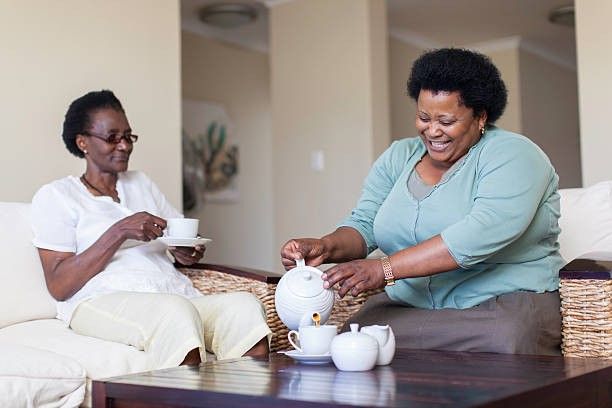
Thoughtful gestures can carry more meaning than their practical value suggests.
Offering someone a comfortable seat, remembering their preferred drink, or checking that they have everything they need communicates consideration.
These actions can make guests feel that their comfort is important to you. The gesture itself might be small, but the attention behind it can make the experience feel personal.
You do not need to anticipate every possible need.
Simply noticing what would make a particular guest more comfortable can help turn ordinary hospitality into something meaningful.
Small gestures can make a meaningful difference in the guest experience, and 25 Easy Ways to Become a Better Host offers additional ideas for making visitors feel appreciated.
Familiar Details Create a Sense of Comfort
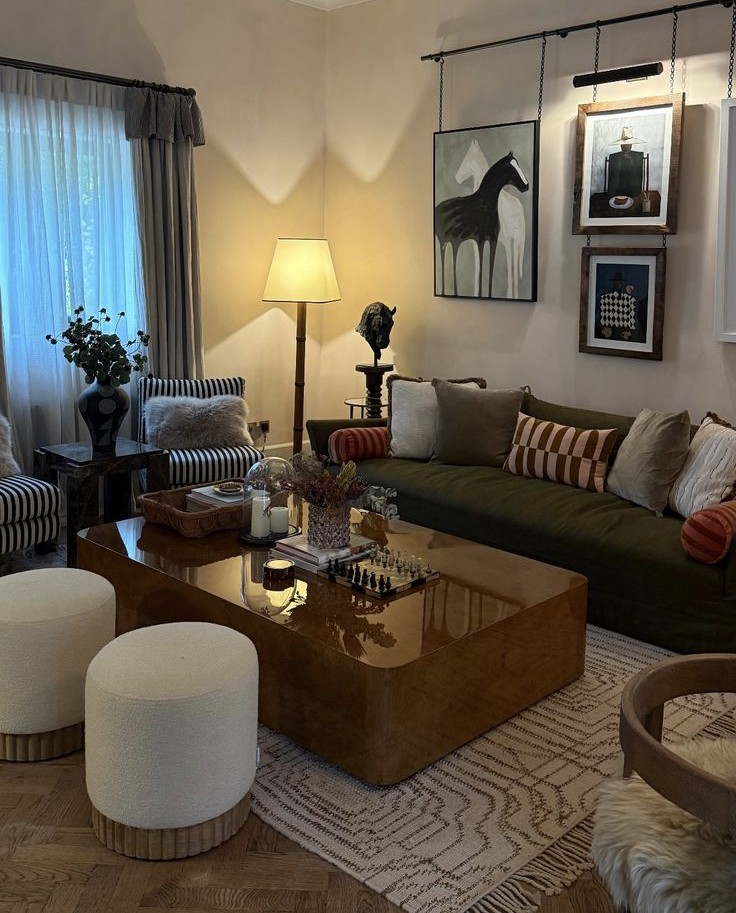
People often feel more relaxed when their surroundings include something familiar.
A favorite song, a familiar snack, or a conversation about a shared memory can make a gathering feel easier to settle into.
You can use this idea when planning a visit. Serve a dish your friends already enjoy, play music that suits the group, or bring up a happy memory that several guests share.
Familiarity does not mean every gathering should feel identical.
Instead, familiar details provide a comfortable foundation while leaving room for new experiences and conversations.
Music can help establish a familiar and inviting atmosphere, so explore The Best Music Playlist Ideas for Hosting for inspiration on choosing sounds that suit your gathering.
Feeling Included Strengthens Social Connection

Humans naturally seek connection, and gatherings provide opportunities to feel part of a group.
When guests feel overlooked or excluded, even a beautifully planned event can become uncomfortable.
As a host, notice who is participating in conversations and who may be struggling to join.
You can invite quieter guests into a discussion, introduce people with shared interests, or move a conversation toward a subject more people can enjoy.
Inclusion does not mean forcing everyone to participate in the same way.
Giving guests the freedom to engage at their own pace helps them feel accepted without unnecessary pressure.
When visitors arrive without knowing one another, How to Introduce Guests Who Don’t Know Each Other offers useful ways to help them connect and feel included.
Personal Recognition Makes Hospitality Feel Meaningful

People appreciate being seen as individuals rather than simply as members of a crowd.
Remembering someone’s interests, acknowledging an important achievement, or asking about something they previously shared can make a visit feel more personal.
Imagine inviting a friend who recently started a new job. Asking how the first few weeks have gone shows that you remember what matters in their life.
These moments can strengthen relationships because they communicate genuine attention.
You do not need elaborate surprises to make someone feel special when a thoughtful conversation can achieve the same thing.
Remembering personal details and making visitors feel valued are important parts of thoughtful hospitality, and How to Become the Host Everyone Loves Visiting explores more ways to build those welcoming habits.
Comfortable Environments Help People Relax

The physical environment can influence how guests feel during a visit.
Harsh lighting, crowded seating, excessive noise, or uncomfortable temperatures can make it harder for people to relax and enjoy conversation.
Consider the atmosphere you want to create before guests arrive.
Soft lighting, suitable music, comfortable seating, and enough space to move around can make a room feel more inviting.
You do not have to redesign your home for every gathering.
A few practical adjustments can improve comfort and help visitors focus on the people around them rather than their surroundings.
If you want to create a more inviting dining environment through thoughtful styling, explore 41 Modern Table Setting Ideas for inspiration on making your table feel attractive and comfortable.
Shared Laughter Creates Positive Associations

Laughter can help people feel connected and make social experiences more enjoyable.
A funny story, a playful conversation, or a lighthearted activity can give guests a happy memory to associate with your gathering.
You can encourage these moments without planning an entire evening around entertainment.
Share an amusing experience, choose a simple group game, or allow conversations to develop naturally.
The important thing is to keep the atmosphere comfortable. Humor should bring people together rather than embarrass someone or make a guest feel like the target of a joke.
A playful theme can give guests something enjoyable to share and remember, and 27 Themed Dinner Party Ideas That Guests Will Remember offers inspiration for creating entertaining experiences.
Being Listened to Builds Trust
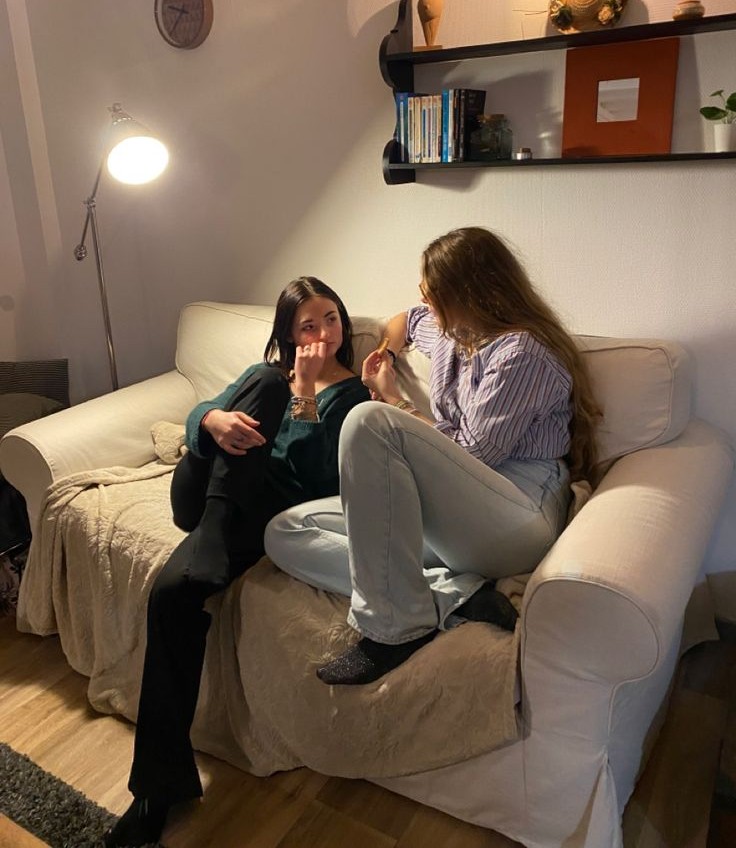
Good hospitality is not only about what a host provides. It is also about the attention guests receive during conversations.
When you listen without constantly checking your phone or interrupting to tell your own story, you show that the other person has your attention.
Asking a relevant follow up question can also help the conversation feel more genuine.
You do not need to agree with everything a guest says to make them feel heard.
Giving people room to express themselves respectfully can create a stronger sense of connection and make conversations more rewarding.
For more ways to encourage meaningful conversations and help guests feel comfortable sharing their thoughts, read How to Start Conversations at Dinner Parties.
A Sense of Choice Helps Guests Feel at Ease

People generally feel more comfortable when they have some control over their experience.
At a gathering, this might mean choosing where to sit, deciding what to drink, or participating in an activity at their own pace.
You can make these choices available without making the event feel unstructured.
Offer a couple of drink options, allow guests to serve themselves when appropriate, and avoid insisting that everyone follow the same routine.
This approach is especially helpful for guests with different preferences and personalities.
They can enjoy the gathering in a way that suits them instead of feeling pressured to meet the host’s expectations.
Respecting guests’ preferences is an important part of considerate hosting, and Hosting Etiquette Every Host Should Know offers additional guidance on handling different expectations graciously.
Anticipation Can Make a Gathering More Exciting
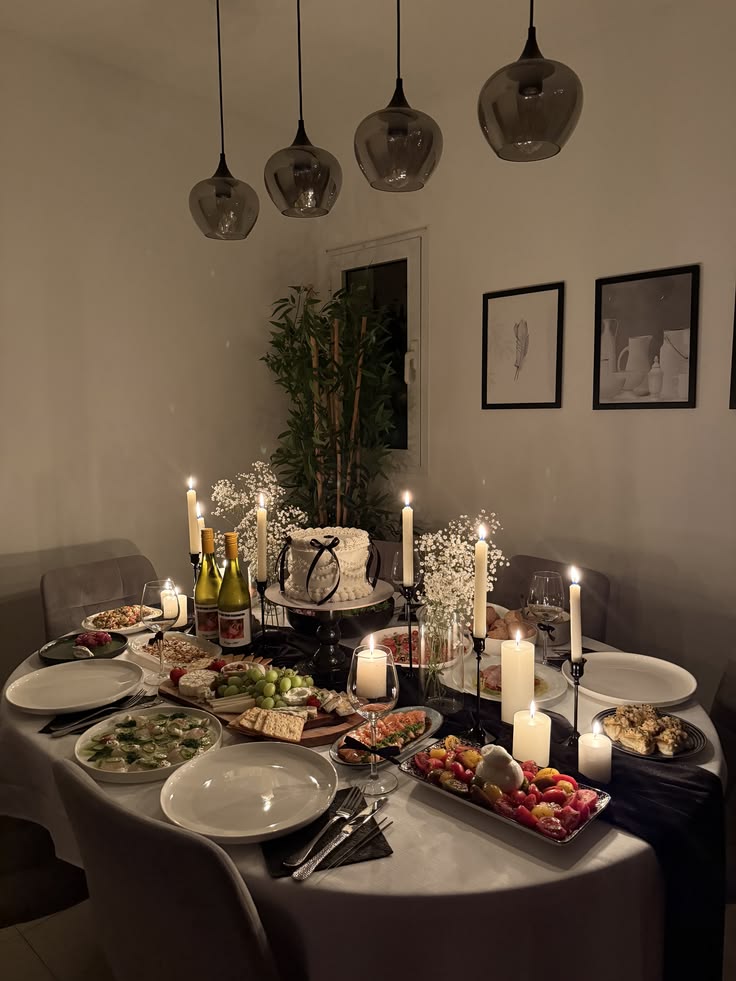
The experience of hospitality begins before guests arrive. An invitation that gives people something pleasant to look forward to can build excitement and help them feel valued.
You might mention a special dish you plan to prepare, share the theme of a celebration, or let guests know that a favorite activity will be part of the evening.
A small preview can make the occasion feel more personal.
Keep expectations realistic, though. The goal is to create genuine enthusiasm, not pressure yourself to deliver an extraordinary event.
A simple gathering can be worth anticipating when the company and atmosphere are inviting.
If you are planning a gathering that marks a new chapter in your life, How to Host Your First Gathering in a New Home offers inspiration for preparing an occasion that guests can look forward to.
Thoughtful Surprises Make Experiences Stand Out
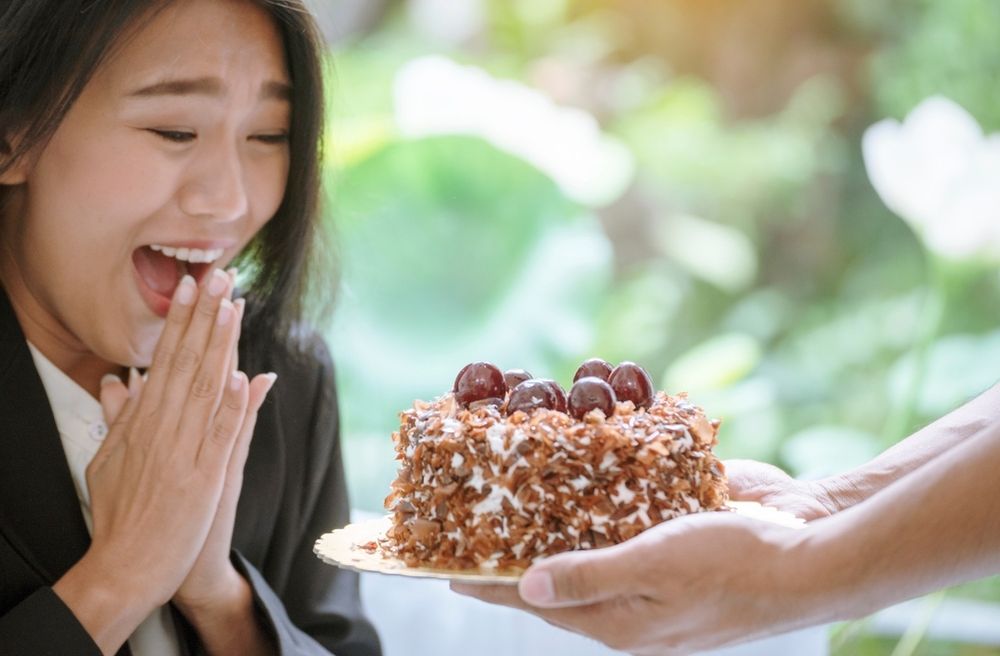
Unexpected positive moments can make a gathering more memorable.
A favorite dessert appearing at the end of dinner, a handwritten note at someone’s place setting, or a small birthday acknowledgment can add an emotional highlight.
These surprises work best when they reflect something meaningful to the guest.
A thoughtful detail connected to their interests can feel more personal than an expensive gift chosen without much consideration.
Keep surprises appropriate to the relationship and occasion.
Not everyone enjoys being the center of attention, so consider the person’s personality before planning a public announcement or elaborate gesture.
For inspiration on choosing thoughtful gifts and small gestures that can make an occasion feel more personal, explore 25 Best Hostess Gift Ideas for Every Budget.
Predictability Creates a Feeling of Safety
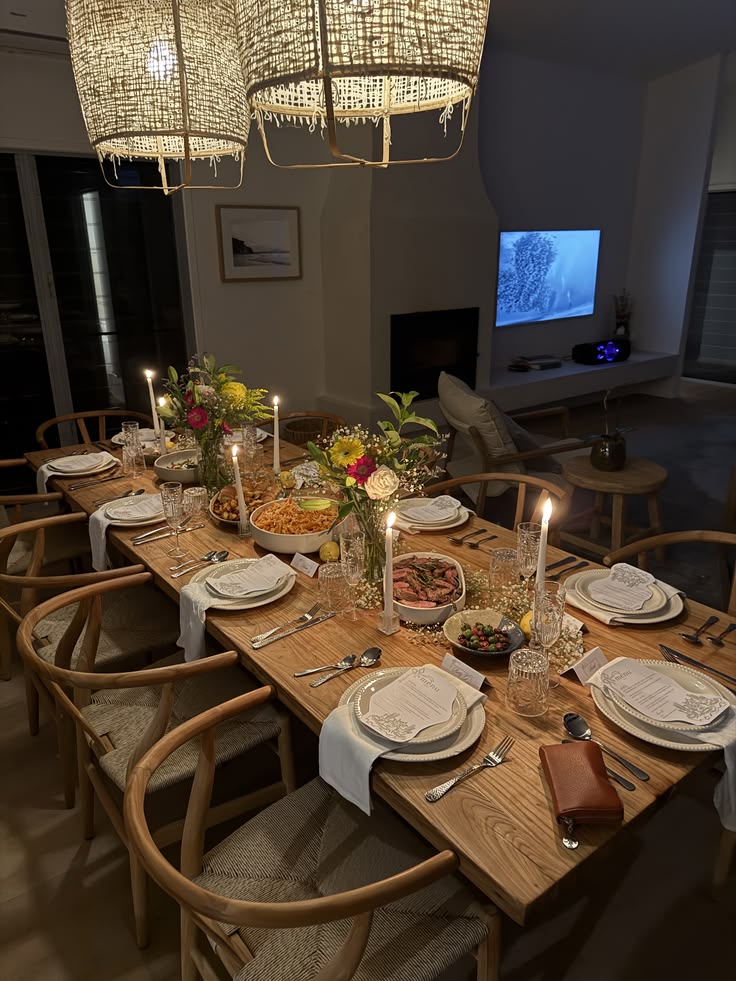
Although surprises can be enjoyable, people also appreciate knowing what to expect.
Clear invitations, reasonable timing, and simple information about a gathering can reduce uncertainty before guests arrive.
For example, let visitors know if dinner will be served shortly after arrival or if the occasion is a relaxed afternoon gathering.
This helps them plan their time and feel prepared for the experience.
You can still leave room for spontaneous moments. A clear general plan provides reassurance without requiring every part of the event to follow a strict schedule.
Planning the practical details ahead of time can help guests know what to expect, and The Complete Home Entertaining Checklist offers a useful guide to preparing for a gathering.
Generosity Feels Better When It Is Not Used to Create Pressure
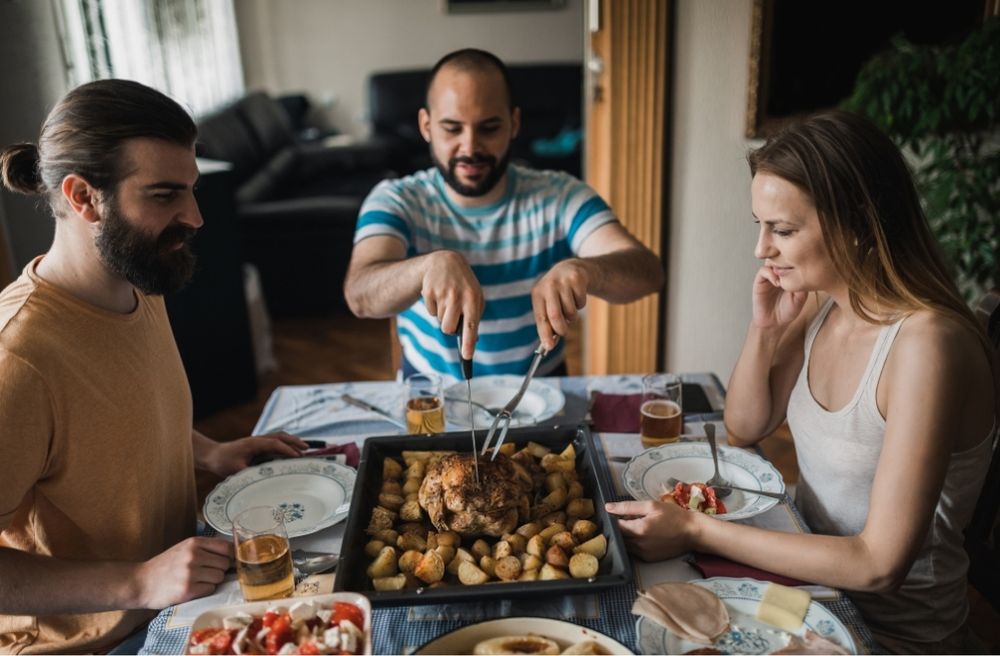
Generosity is an important part of hospitality, but guests should not feel indebted because of the effort you have made.
Offering food, refreshments, or a comfortable place to stay should communicate kindness rather than create an obligation.
Avoid repeatedly reminding visitors how much time or money you spent preparing for them.
Even when your intentions are good, these comments can make guests feel they need to repay your effort or praise everything you have done.
Instead, offer what you can comfortably provide and allow people to appreciate it in their own way. Generosity feels most welcoming when it comes without expectations or guilt.
Meaningful Rituals Help People Feel Connected
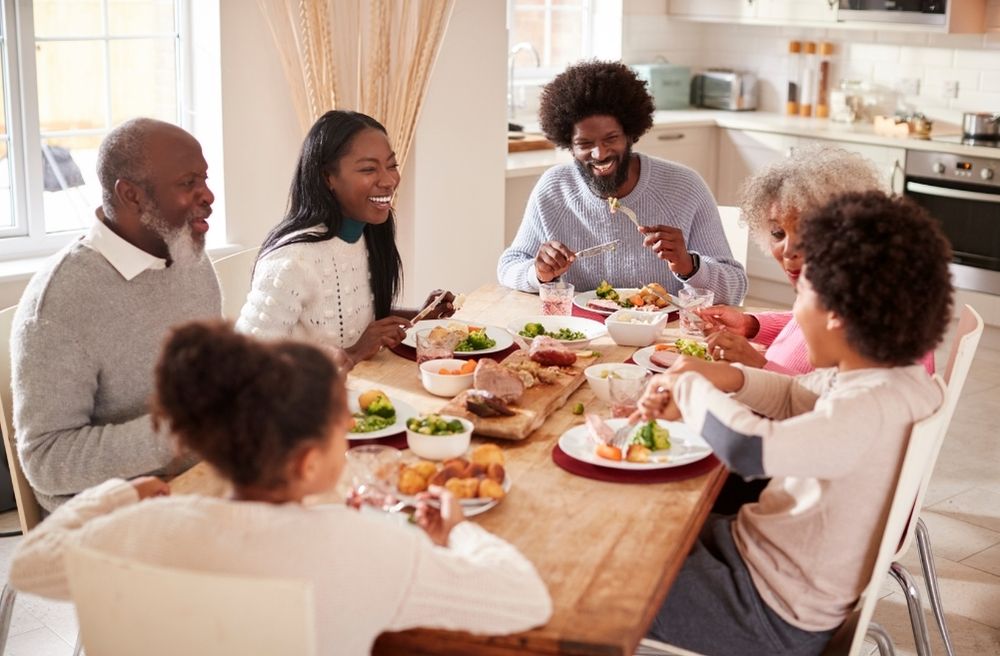
Repeated traditions can give gatherings a special identity.
Sunday lunches, annual holiday dinners, or a regular evening of board games can become familiar occasions that friends and family look forward to.
These rituals do not need to be complicated. A favorite shared dish, a customary toast, or a familiar way of celebrating birthdays can help create a sense of continuity.
Over time, the meaning of the tradition often becomes more important than its individual details.
Guests return not only for the food or activity but also for the shared memories and relationships connected to it.
If you want to turn shared meals into meaningful traditions, 25 Sunday Family Dinner Traditions Worth Starting offers ideas for creating occasions that bring loved ones together regularly.
A Relaxed Host Makes It Easier for Everyone Else to Relax
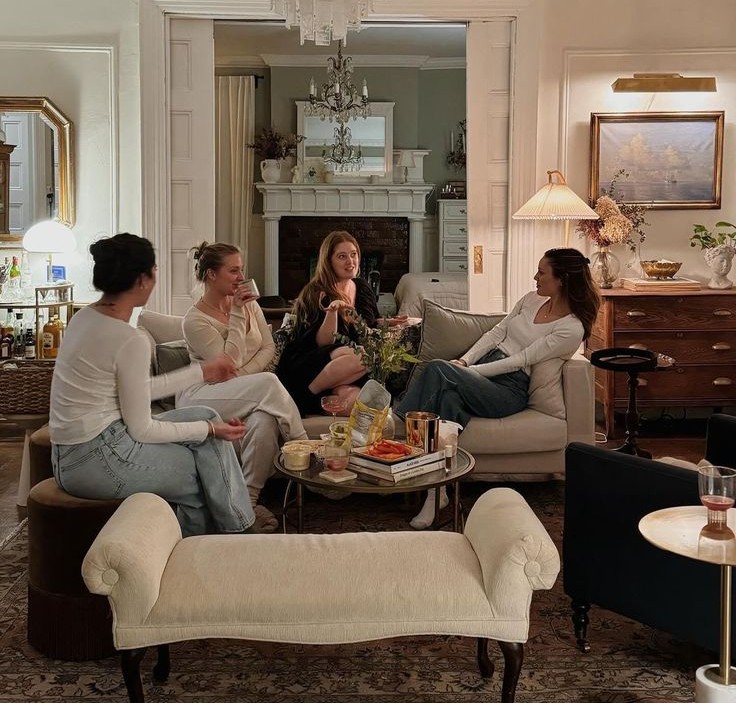
Guests often notice the mood of the person hosting them. When a host seems overwhelmed or frustrated, visitors may worry about causing more work or doing something wrong.
This does not mean you must hide every difficult emotion or maintain a perfect smile.
It means preparing realistically and allowing yourself to enjoy the gathering instead of trying to control every detail.
Choose a manageable menu, prepare what you can ahead of time, and accept that small imperfections are normal.
When you give yourself permission to relax, guests often find it easier to do the same.
A Thoughtful Goodbye Completes the Experience

The final moments of a visit can influence the overall impression guests take home.
A warm goodbye, a sincere thank you, or a brief expression of appreciation can help people leave feeling valued.
Avoid making guests feel guilty when it is time to go. Respect their schedules and let the visit end naturally rather than insisting that they stay longer.
For special occasions, a short message afterward can extend that feeling of connection.
It shows that you appreciated the time together and helps turn a pleasant gathering into a positive shared memory.
Create Experiences That Stay With Your Guests
The psychology behind memorable hospitality reminds us that meaningful gatherings are built through more than attractive decorations or impressive meals.
Comfort, inclusion, personal attention, and genuine connection all contribute to how people experience a visit.
You do not need to apply every principle at once.
Start by noticing how guests respond to your surroundings, conversations, and small gestures, then make thoughtful adjustments that suit your home and relationships.
Ultimately, memorable hospitality is about creating experiences in which people feel welcome, respected, and connected.
When guests leave with those feelings, the gathering has offered something more valuable than a beautiful evening: a memory they will be happy to revisit.







3 Comments