

How to Become the Host Everyone Loves Visiting
Disclosure: Some of the links in this post are affiliate links. This means if you click on the link and purchase an item, I will receive an affiliate commission at no extra cost to you.
Learning how to become the host everyone loves visiting starts with making people feel comfortable in your home. Delicious food and beautiful decorations are lovely, but genuine warmth is what makes guests want to return.
You do not need a perfect house or an expensive menu to become a wonderful host. Small gestures, thoughtful preparation, and a relaxed attitude can make an ordinary visit feel special.
Here are 17 practical ways to create a welcoming home where friends and family enjoy spending time.
1. Make Guests Feel Welcome From the Moment They Arrive

The first few minutes of a visit can shape how comfortable someone feels. Greet guests warmly, make eye contact, and let them know you are happy they came.
Help them settle in by offering to take their coat or bag and showing them where to sit. These small gestures make arriving feel easy rather than awkward.
Avoid leaving guests standing uncertainly near the entrance. A friendly welcome and a natural introduction can help everyone feel included from the beginning.
For more practical ways to make visitors feel comfortable from the moment they walk through your door, explore How to Make Guests Feel Welcome the Moment They Arrive.
2. Keep Your Home Comfortable Rather Than Perfect
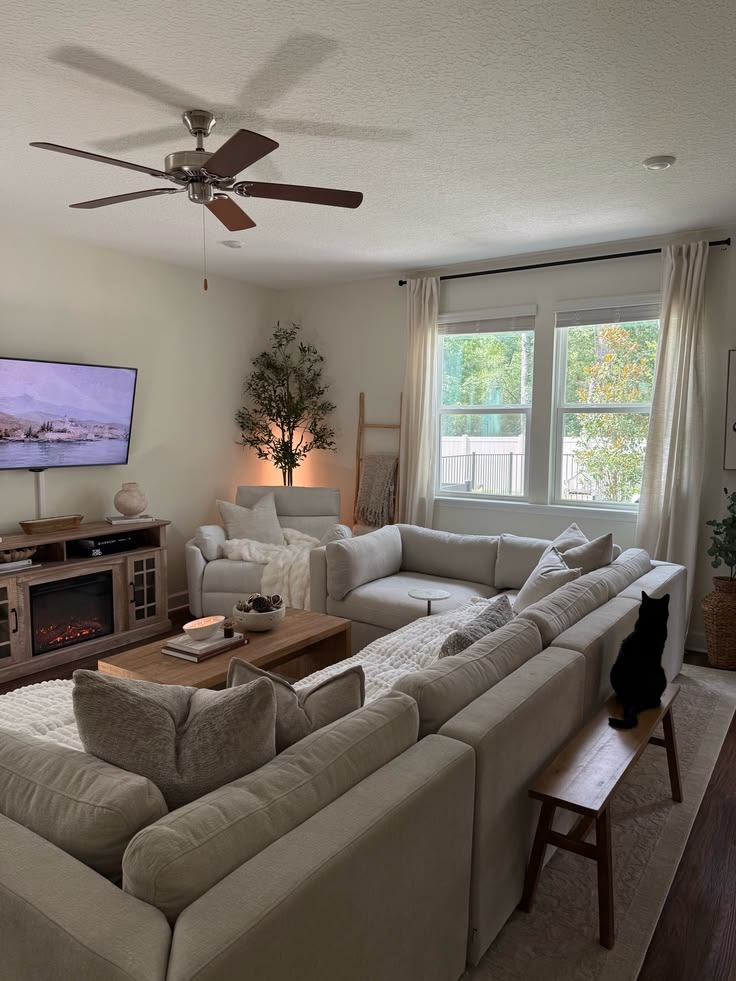
A welcoming home does not need expensive furniture or flawless decorations.
Clean surfaces, comfortable seating, pleasant lighting, and enough room to move around are far more important.
Before guests arrive, tidy the shared spaces, clean the bathroom, and clear unnecessary clutter. Focus on the areas visitors will actually use instead of worrying about every corner.
Try not to apologize repeatedly for small imperfections. Guests are there to spend time with you, not inspect your home.
If you want to identify and address the little things that might make visitors uncomfortable, read 15 Reasons Guests Might Not Enjoy Visiting Your Home (and Easy Ways to Fix Them).
3. Remember the Little Things Guests Tell You

Remembering small details from previous conversations is a thoughtful way to make visitors feel valued.
You might recall someone’s favorite dessert or ask how an important interview went.
You do not need to remember everything about everyone. Simply paying attention to details that matter to your guests can make future visits feel more personal.
These gestures show that you listen and care. Often, people remember feeling appreciated long after they forget what was served.
Remembering personal details and making guests feel appreciated are wonderful ways to build lasting connections, and How to Be a Memorable Host offers more ideas for creating meaningful experiences.
4. Offer Refreshments Without Making Guests Feel Obligated

Offering a drink or snack helps guests settle in comfortably. Water, tea, coffee, juice, or a small plate of biscuits can be enough for an informal visit.
Give guests a choice without repeatedly insisting that they accept something. They may have already eaten or simply prefer to wait.
Keep a few easy refreshments available so you can offer something without rushing into the kitchen. Simple hospitality often feels more natural than an elaborate spread.
If you are looking for more guidance on welcoming visitors, planning refreshments, and making gatherings enjoyable, explore The Ultimate Beginner’s Guide to Entertaining at Home.
5. Make Conversation Feel Natural

Great hosts help conversations flow without making guests feel as if they are being interviewed.
Share a funny experience, mention something interesting from your day, or introduce a topic everyone can enjoy.
Pay attention to the group and allow people time to respond. Not everyone is naturally talkative, and comfortable silence is better than forcing conversation.
If a discussion becomes uncomfortable or excludes others, gently introduce another subject. Your aim is to help people connect, not control every conversation.
For more ways to help guests overcome awkward silences and find interesting topics to discuss, read How to Start Conversations at Dinner Parties.
6. Introduce Guests With Something They Can Connect Over

When guests do not know one another, introductions can help break the ice. Instead of simply exchanging names, mention a shared interest, hobby, or experience.
For example, you could introduce two people who enjoy travelling or have recently started gardening. Giving them something familiar to discuss makes conversation easier.
Afterward, allow them to continue talking naturally. You can move around the gathering without feeling responsible for keeping every conversation going.
When several visitors are meeting for the first time, How to Introduce Guests Who Don’t Know Each Other offers helpful ideas for making introductions feel natural.
7. Serve Food That Suits the Occasion

The best menu depends on the kind of gathering you are hosting. A casual afternoon might call for light snacks, while a dinner party may need a more substantial meal.
Consider your guests’ preferences and dietary needs before choosing what to serve.
Preparing some dishes ahead of time also gives you more opportunities to enjoy their company.
Keep the presentation attractive but simple.
Neatly arranged food, suitable serving utensils, and easy access to refreshments can make the meal feel special without creating unnecessary work.
If you are planning a more formal gathering and need inspiration for the menu and atmosphere, explore 35 Elegant Dinner Party Ideas for Adults.
8. Give Guests Room to Feel at Home
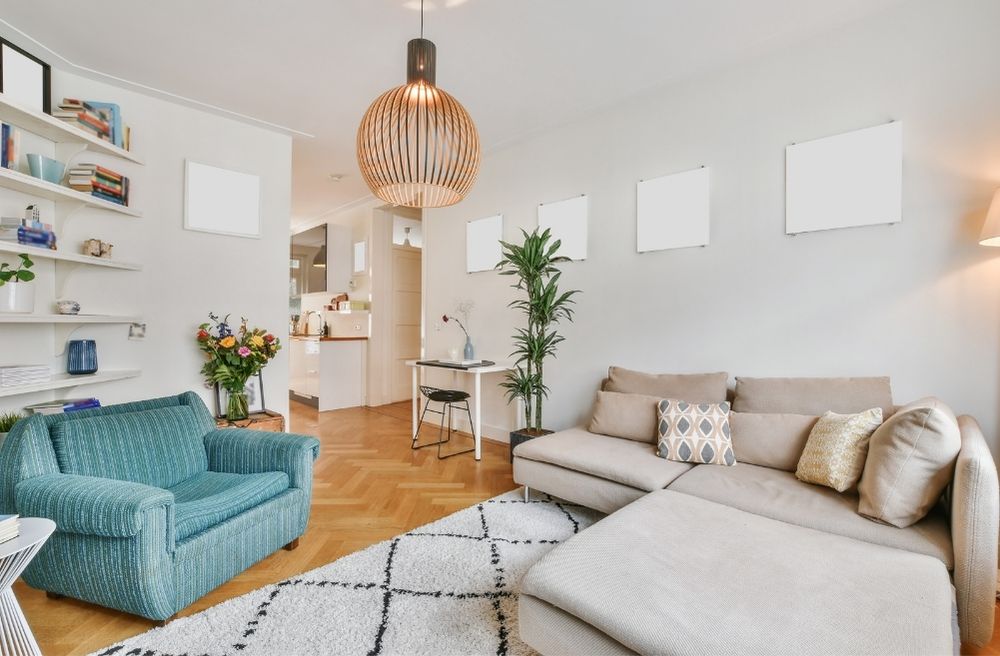
Guests sometimes hesitate to ask for simple things because they do not want to inconvenience their host.
Help them feel comfortable by explaining where they can find water, place used dishes, or leave their belongings.
This is particularly helpful when someone is visiting for the first time or staying for several hours. A little guidance allows them to move around without feeling uncertain.
You can still maintain household boundaries. Being welcoming does not mean giving guests access to every room or changing routines that matter to you.
For additional advice on making visitors comfortable while keeping your hosting responsibilities manageable, read How to Host Guests Without Feeling Stressed.
9. Pay Attention to Different Comfort Levels
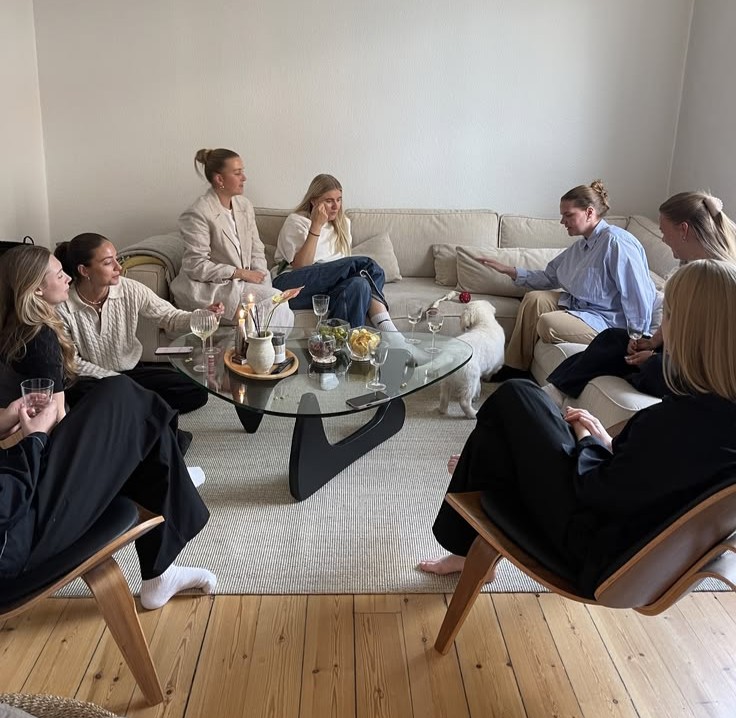
Not everyone enjoys the same kind of gathering. Some guests love lively games and group conversations, while others prefer quieter settings and smaller conversations.
Notice how people respond to the atmosphere. A quieter guest might appreciate a friendly one on one conversation, while someone more outgoing may enjoy meeting new people.
Avoid pressuring anyone to sing, dance, or participate in an activity they dislike. Giving guests room to choose helps everyone enjoy the occasion in their own way.
Paying attention to your guests’ comfort can help you recognize when a gathering is not meeting their needs, and Why Guests Leave Early (It May Not Be What You Think) explores some reasons visitors may decide to leave sooner than expected.
10. Create Comfortable Places for People to Sit and Talk

Your seating arrangement can influence how easily guests interact.
Chairs facing one another encourage conversation, while a room arranged entirely around a television may not suit every gathering.
Consider the number of visitors and the activities you have planned.
A few comfortable chairs around a small table can create an inviting conversation area without requiring a complete room makeover.
Check that everyone has somewhere comfortable to sit. Guests should not have to balance plates awkwardly or squeeze through crowded spaces to join the conversation.
For inspiration on creating a coordinated entertaining space with an attractive table arrangement, explore 41 Modern Table Setting Ideas.
11. Let Guests See That You Enjoy Their Company

Guests often take cues from their host. If you appear tense or distracted throughout the visit, they may worry that they are creating extra work.
Once the essential preparations are complete, give yourself permission to sit down and enjoy the gathering.
Listen to stories, laugh with your guests, and participate in the conversations.
Your presence matters just as much as the food and surroundings. People generally want to spend time with you, not watch you perfect every detail.
If you often feel too overwhelmed to enjoy your own gatherings, Why Your Parties Feel Stressful Instead of Fun can help you identify habits that may be taking the pleasure out of hosting.
12. Include Thoughtful Touches That Feel Personal
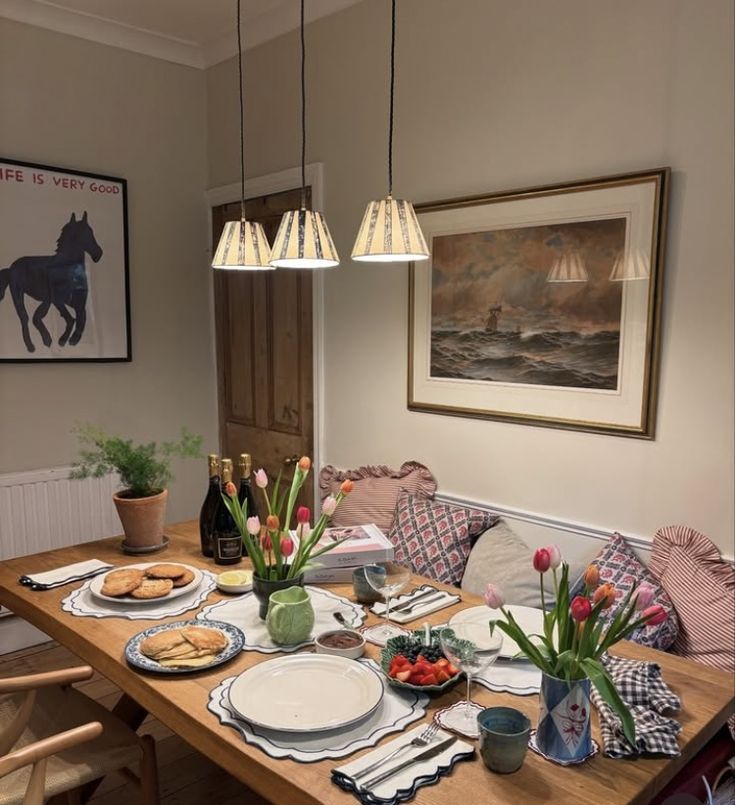
Personal touches can make a gathering feel more meaningful. You might play music your friends enjoy, serve a favorite snack, or decorate the table with flowers from your garden.
Choose details that suit the occasion and the people attending.
A relaxed afternoon might call for homemade lemonade, while a special dinner could benefit from handwritten place cards.
You do not need to decorate every surface or prepare elaborate surprises. One or two thoughtful details can make guests feel that you planned the occasion with them in mind.
For creative ways to add personality to your gathering without relying on expensive decorations, explore 37 DIY Party Decorations Guests Will Love.
13. Handle Small Problems Without Creating More Stress

Unexpected problems can happen during any gathering. Food might take longer to cook, a drink might spill, or someone might arrive later than planned.
Respond calmly and deal with the immediate issue. If dinner is delayed, offer a simple snack. If someone spills a drink, help clean it up without making them feel embarrassed.
Guests are unlikely to expect everything to go perfectly. Your ability to adapt can keep a small inconvenience from affecting the entire occasion.
Preparing for common hosting challenges before visitors arrive can make unexpected problems easier to manage, and 15 Things Great Hosts Always Do Before Guests Arrive offers a useful preparation guide.
14. Respect Guests’ Time and Personal Schedules
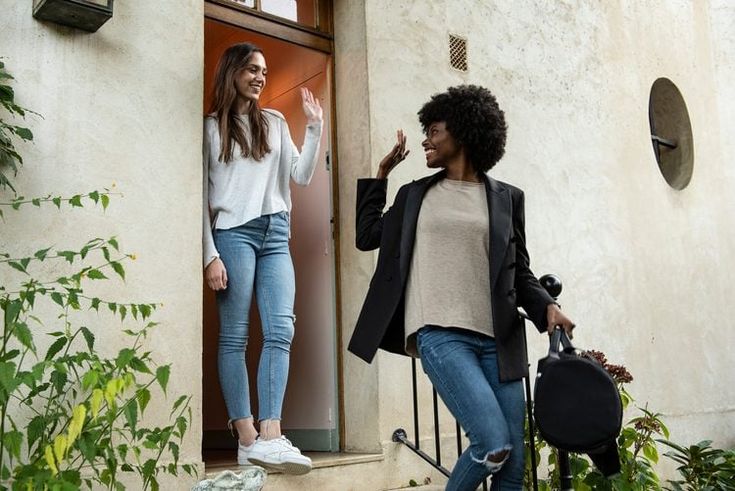
Being a considerate host includes respecting the time people have set aside for a visit.
Start close to the agreed time when possible, particularly when serving a meal or planning an activity.
Remember that guests may have other responsibilities. Avoid making anyone feel guilty for leaving when they need to, even if you would love them to stay longer.
When inviting people over, give them a realistic idea of what the occasion involves. Clear expectations help everyone plan and enjoy the gathering without unnecessary pressure.
If you want to understand how the length of a visit can affect both guests and hosts, read How Long Should Guests Stay? for more guidance on keeping visits comfortable.
15. Make Your Hospitality Inclusive

A welcoming gathering gives people room to participate comfortably.
Consider dietary restrictions, accessibility needs, cultural differences, and personal preferences when planning your menu and activities.
Offer a variety of suitable refreshments and food options when possible. You can also choose activities that do not require everyone to share the same interests or abilities.
Pay attention to conversation, too. Avoid comments or jokes that single someone out or make them uncomfortable. Guests should feel respected and accepted in your home.
For more guidance on treating visitors thoughtfully and navigating different expectations, explore Hosting Etiquette Every Host Should Know.
16. End the Visit With the Same Warmth You Started With
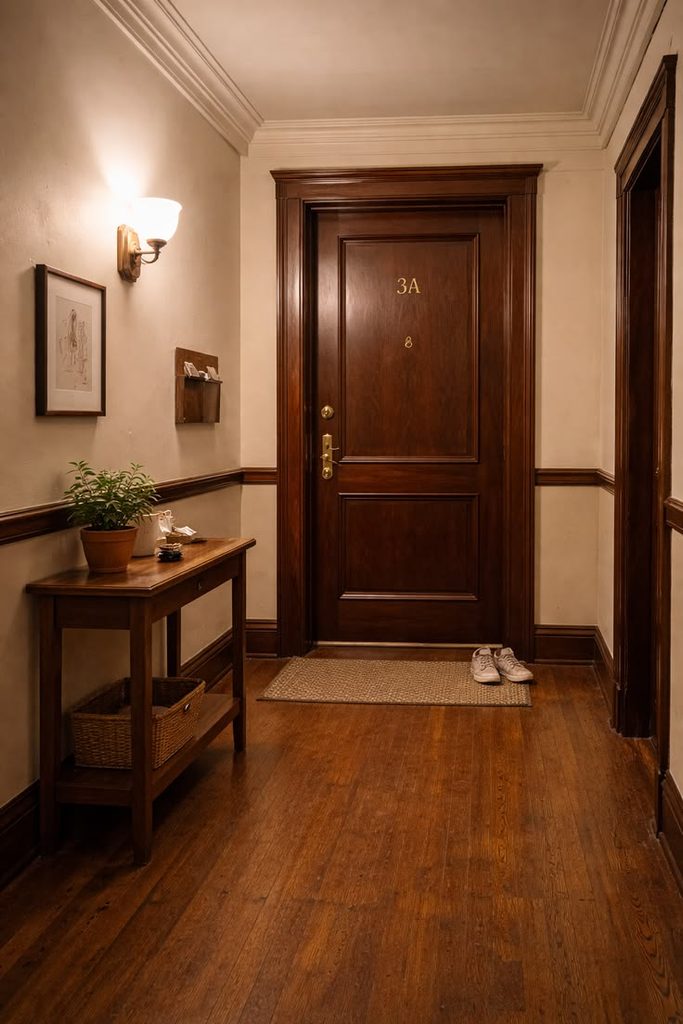
The way a visit ends can leave a lasting impression. Thank guests for coming and let them know you enjoyed spending time with them.
Help with coats or bags when appropriate, and avoid making departures unnecessarily complicated.
If someone seems ready to leave, allow them to go comfortably instead of repeatedly asking them to stay.
After a special gathering, consider sending a brief message to express your appreciation.
A simple note can help maintain the connection and show that their company mattered to you.
17. Make Inviting People Over a Regular Habit

You do not need to organize a major event every time you welcome people into your home.
Some of the most meaningful visits happen over a simple lunch, afternoon tea, or relaxed evening together.
Start with gatherings that suit your schedule and energy. Invite a friend for coffee or ask a few relatives to share a meal without turning the occasion into a demanding project.
Regular invitations help build stronger relationships. Over time, your home can become a place associated with friendship, comfort, and enjoyable moments together.
If you want to make spending time together a regular family tradition, 25 Sunday Family Dinner Traditions Worth Starting offers ideas for creating meaningful moments around the table.
Make Your Home a Place People Look Forward to Visiting
Becoming a host everyone loves visiting is less about mastering entertaining rules and more about making people feel comfortable, respected, and appreciated.
A warm greeting, thoughtful conversation, and relaxed atmosphere can turn an ordinary visit into a memorable experience.
Start with a few habits that feel natural to you. As you get to know your guests better, you will discover the small touches that help them feel most at home.
Remember, people return to places where they feel welcome. When guests leave knowing their company was valued, you have created a home they will be happy to visit again.







3 Comments