
The Hidden Mistake That’s Making Your Dinner Parties Feel Awkward
Disclosure: Some of the links in this post are affiliate links. This means if you click on the link and purchase an item, I will receive an affiliate commission at no extra cost to you.
The dinner party mistakes that make guests feel awkward is trying too hard to control how the evening unfolds. You may carefully plan the menu, decorate the table, choose the music, and organize every detail, only to find that your guests seem unusually quiet or unsure of themselves.
The problem may not be your food, your home, or even your guest list. Sometimes, the gathering feels uncomfortable because there is simply too much structure and not enough room for people to relax and interact naturally.
A dinner party is a social experience, not a performance. Your guests do not need every moment planned for them. They need enough guidance to feel comfortable, followed by enough freedom to enjoy themselves.
That distinction can completely change the way you host.
The Hidden Mistake: Trying to Control the Entire Evening

Many hosts put enormous effort into making a dinner party successful.
They plan the menu carefully, decide when everyone should eat, choose activities, manage conversations, adjust the music, clear plates immediately, and constantly check that everyone is having a good time.
It sounds like excellent hosting.
In reality, too much involvement can make guests feel like they are being managed.
People may become hesitant to move around, start a conversation, take another drink, or even sit somewhere different because they are waiting for the host to tell them what happens next.
Instead of feeling at home, they begin looking for social cues.
This is especially noticeable when your guests do not all know each other.
They already need time to settle into the group, and excessive structure can make those first interactions feel even more deliberate.
A good host creates the conditions for a pleasant evening and then allows the guests to participate in it.
Understanding Modern Hosting Etiquette Everyone Should Know can also help you recognize when thoughtful hosting starts becoming too controlling.
Why Too Much Control Creates an Awkward Atmosphere

Imagine arriving at someone’s home for dinner and immediately being told where to sit, when to eat, what to discuss, and what activity comes next.
Even if the host has the best intentions, you might start wondering what you are supposed to do.
Now imagine the opposite. You arrive, receive a warm welcome, have somewhere comfortable to sit, are offered a drink, and are introduced to the people around you.
The host gives you enough direction to feel comfortable but then lets the conversation develop.
The second experience usually feels much easier.
Guests need a little uncertainty because social interaction is naturally unpredictable. Someone may tell a funny story that leads to another conversation.
Two people may discover they have a shared interest. A discussion at the table may continue much longer than expected.
Those unexpected moments are often what make a dinner party memorable.
When you try to control every detail, you can accidentally remove the space where those moments happen.
Signs Your Dinner Party May Be Too Structured

The hidden mistake is not always easy to recognize because careful preparation is generally considered a good thing.
The difference is in what happens after your guests arrive.
You may be over managing the evening if you constantly feel responsible for keeping conversations alive, filling every quiet moment, or making sure everyone is doing something.
You might also notice that guests repeatedly look toward you before making simple decisions.
They may ask where they should sit, if they can get another drink, or if it is time to start eating even though these are things they could normally decide for themselves.
Another sign is that you feel exhausted from entertaining your guests instead of actually spending time with them.
If you are constantly moving around the room, checking plates, changing the music, introducing new activities, and trying to solve every tiny moment of silence, you are not really experiencing the dinner party yourself.
The goal is not to become less thoughtful. It is to become more intentional about where your attention is needed.
Some of these warning signs can also be connected to the issues discussed in 15 Reasons Guests Might Not Enjoy Visiting Your Home (and Easy Ways to Fix Them).
Stop Treating Silence Like a Problem

One of the biggest traps for hosts is assuming that every quiet moment needs to be fixed.
It does not.
A few seconds of silence around a dinner table are completely normal. People need time to eat, think, listen, or decide what they want to say next.
When a host immediately jumps in with another question, topic, joke, or activity, guests may begin to feel pressure to keep performing socially.
Allow conversations to breathe.
You may notice that a quiet moment naturally turns into a more interesting conversation once someone has had time to think of something to say.
This is particularly important during dinner. People are eating, serving themselves, passing dishes, and responding to several people at once. Conversation does not have to flow continuously to mean everyone is enjoying themselves.
Sometimes a peaceful table is a comfortable table.
When the table genuinely needs a little help, How to Start Conversations at Dinner Parties offers simple ways to get people talking without making the interaction feel forced.
Give Guests Something to Connect Around

Although you should not control every conversation, you can make it easier for people to find common ground.
Think about what your guests may have in common before they arrive. Perhaps two people enjoy traveling, someone recently moved to the same area as another guest, or several people are interested in cooking.
You can use those connections naturally during introductions.
For example, you might say, “Laura, this is Daniel. Daniel just came back from Spain, and I remember you were there last summer.”
Then stop.
You do not need to interview them about Spain or remain nearby to make sure they talk about it. You have simply provided a starting point.
A useful conversation starter should open a door rather than push people through it.
Once guests find something they enjoy discussing, they can take the conversation in their own direction.
For more ideas on creating natural connections, How to Introduce Guests Who Don’t Know Each Other can help you make introductions that give conversations an easy starting point.
Do Not Force Everyone Into the Same Conversation

A dinner party does not require every guest to participate in one large conversation from beginning to end.
People naturally form smaller connections.
Two guests at one end of the table may become interested in a particular subject while another pair discusses something completely different. That is perfectly healthy.
Trying to bring everyone into the same conversation can sometimes make the evening feel like a group discussion rather than a dinner party.
Instead, pay attention to the overall energy of the table.
If most people are engaged and comfortable, let the smaller conversations continue.
You can occasionally introduce a topic that includes everyone, but you do not need to keep pulling people together.
This also gives quieter guests more control over how they participate.
Someone who is not saying much in a group conversation may be perfectly happy having a deeper conversation with the person sitting beside them.
Good hosting leaves room for different social styles.
Part of How to Be a Memorable Host is knowing when to guide the group and when to let guests enjoy their own conversations.
Avoid Constantly Checking If Everyone Is Having Fun

As a host, it is natural to wonder if your guests are enjoying themselves.
The problem begins when that concern becomes visible.
Questions like “Are you having fun?” or “Is everything okay?” may seem caring, but repeated checks can make guests feel as though they are being evaluated.
A guest who was perfectly comfortable may suddenly start wondering if they look bored.
Instead of asking constantly, pay attention to the atmosphere.
Are people talking?
Are they laughing?
Are they eating comfortably?
Are they asking each other questions?
Are people staying around the table instead of looking for reasons to leave?
These small observations tell you much more than repeatedly asking for reassurance.
If something genuinely seems wrong, address it quietly. Otherwise, trust the environment you have created.
Following Hosting Etiquette Every Host Should Know can help you show care for your guests without making them feel like they are being monitored throughout the evening.
Let the Meal Have a Natural Rhythm

Another way hosts accidentally create awkwardness is by rushing through the meal.
You may have a carefully planned menu with several courses and feel pressure to serve everything according to schedule.
But your guests may still be enjoying the conversation.
If everyone is happily talking over the starter, there is no need to interrupt the moment simply because your original schedule says the main course should be served.
Likewise, you do not need to keep everyone sitting at the table if the meal has naturally reached a stopping point.
Pay attention to the pace of the room.
Serve the food while it is ready, but allow people to enjoy each stage of the meal. A relaxed dinner often feels better than one where everyone is constantly aware of what happens next.
Your plan should support the evening, not dictate it.
The ideas in 35 Elegant Dinner Party Ideas for Adults can inspire a polished dinner while still leaving room for the evening to unfold naturally.
Make Yourself Part of the Gathering

Some hosts become so focused on taking care of everyone else that they barely participate.
They spend the evening serving food, collecting plates, refilling glasses, adjusting the room, and checking on guests.
This may look impressive from the outside, but it can actually make the atmosphere less natural.
Your guests came into your home to spend time with you. If you disappear into host duties, they may feel like they are attending an event rather than sharing an evening with a friend.
Prepare as much as you reasonably can before people arrive.
Set the table.
Organize the drinks.
Finish the major cleaning.
Prepare ingredients ahead of time.
Then give yourself permission to sit down.
You do not have to respond to every empty glass immediately. You do not have to clear every plate the second someone finishes eating. And you certainly do not have to spend the entire night standing.
Your presence is part of what makes the gathering feel personal.
One of the most useful lessons from 25 Easy Ways to Become a Better Host is that good hosting should make room for you to enjoy the gathering too.
Be Careful With Too Many Planned Activities
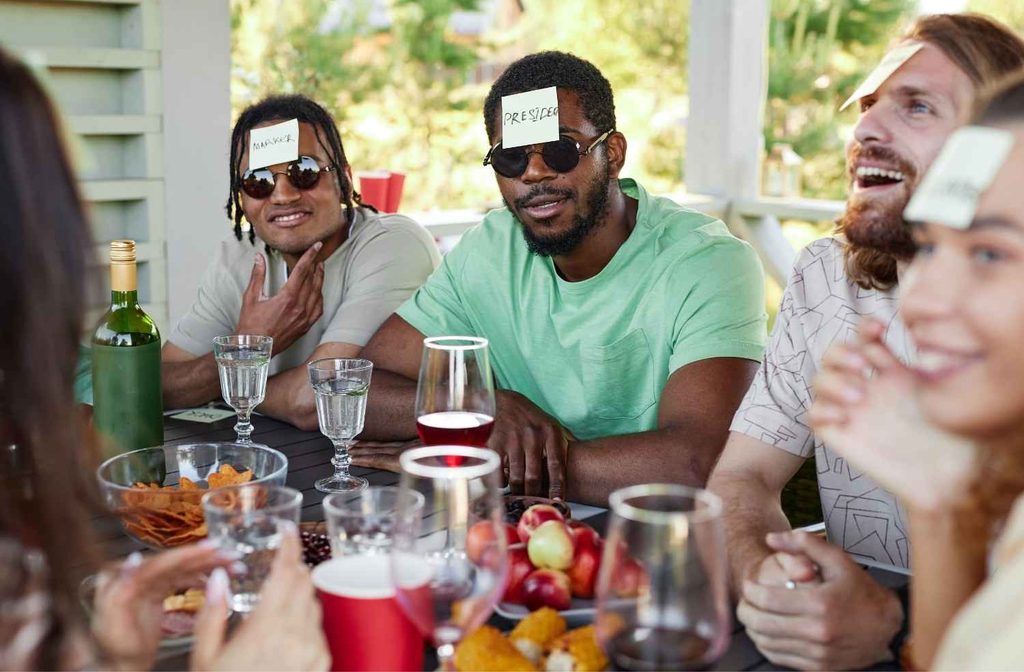
Dinner party activities can be fun, but they should not become mandatory entertainment.
A game, conversation card, trivia round, or after dinner activity can give guests something to do when the energy needs a little help.
The problem comes when you plan several activities simply because you are afraid people will get bored.
Guests may actually prefer talking.
If the conversation is flowing naturally, there is no need to interrupt it because you planned an activity for eight thirty.
Keep optional activities available rather than making them the backbone of the evening.
You can say, “I have a little game we can try later if everyone feels like it.”
Then leave it there.
Giving people a choice makes the activity feel inviting rather than compulsory.
If you enjoy adding a little structure to your gatherings, 50 Adult Party Themes Everyone Will Love can give you inspiration without requiring every moment of the evening to be planned.
Avoid Putting Guests on the Spot

Some hosts try to create lively conversation by asking every person around the table a question.
The intention is good, especially when guests are unfamiliar with one another.
However, asking someone to answer a question in front of everyone can make them uncomfortable if they are naturally quiet or private.
Instead of directing attention at one person, introduce topics that allow several people to participate.
For example, rather than asking, “Emma, what is the most embarrassing trip you have ever taken?” you might ask, “Has anyone ever had a travel experience that did not go according to plan?”
Now guests can decide how much they want to share.
This small change makes conversation feel more spontaneous.
People can listen, contribute, or simply enjoy the discussion without feeling like they have been selected to entertain the table.
Choose Seating With Conversation in Mind
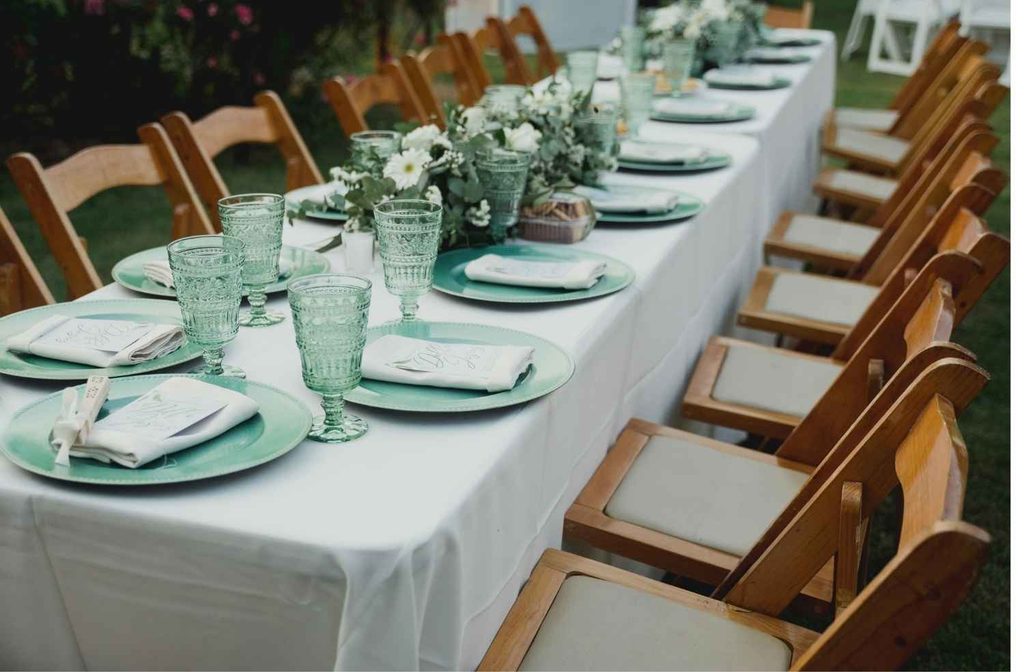
Seating can quietly influence the entire atmosphere of a dinner party.
If two people have nothing in common and struggle to hear each other, placing them beside one another for the entire evening may create unnecessary discomfort.
You do not need to create a complicated seating strategy, but think about the personalities around your table.
A naturally conversational guest can help keep a quieter area of the table active. Someone who knows several people may be able to connect different groups.
You should also consider practical details.
Can everyone see one another?
Can people comfortably reach the food?
Are two very quiet guests sitting together while all the more outgoing guests are grouped at the opposite end?
Small adjustments can make a significant difference.
The seating arrangement should encourage interaction without making guests feel strategically positioned.
When arranging the table, 50 Beautiful Table Setting Ideas for Every Occasion can provide inspiration while you think about how the setup will work for conversation as well as appearance.
Do Not Over Explain Everything

Another subtle mistake is explaining every detail of the evening.
You may feel that guests need to know exactly what is being served, why you chose a particular table setting, how the recipe was prepared, and what you have planned for later.
A little context can be lovely.
Too much explanation can make the evening feel formal.
You do not need to justify every choice you have made.
If someone compliments the table, simply thank them. If they ask about the food, tell them about it. If they want to know what is coming next, you can explain.
Otherwise, allow your guests to experience the evening rather than narrating it for them.
Your home does not need a guided tour.
Your dinner party does not need a script.
Let Guests Help When They Want To

There is a difference between expecting guests to work and allowing them to participate.
Some people genuinely enjoy helping. They may want to carry dishes to the kitchen, pour drinks, serve food, or help clear the table.
If someone offers, you do not always have to refuse.
Allowing a guest to contribute can actually make them feel more at home.
You can say, “Thank you, you can take those glasses into the kitchen.”
Then continue enjoying the evening.
Of course, guests should never feel obligated to work during a dinner party. The point is simply to avoid treating every offer of help as something that must immediately be rejected.
Participation can create a sense of shared ownership.
People often feel more comfortable in a gathering when they are allowed to be part of it rather than treated purely as visitors.
For a broader look at making guests feel comfortable in your space, The Ultimate Beginner’s Guide to Entertaining at Home is a helpful place to start.
Create Comfortable Conversation Before Dinner

The moments before everyone sits down can have a major influence on the rest of the evening.
If guests arrive and immediately sit around a formal table in silence, they may feel pressure to begin a meaningful conversation before they have warmed up.
A relaxed arrival period can make the transition much easier.
Offer drinks.
Put out a small snack.
Introduce guests naturally.
Give people somewhere comfortable to stand or sit.
Let conversations begin in smaller groups before bringing everyone together for dinner.
This gives people time to settle into the social environment.
By the time everyone sits down, they may already have spoken to several people, making the dinner conversation feel much more natural.
A little breathing room at the beginning can prevent the entire evening from feeling like it starts at full speed.
The preparation ideas in 15 Things Great Hosts Always Do Before Guests Arrive can help you create a relaxed environment before everyone settles in for dinner.
Handle Awkward or Quiet Moments Naturally

Even relaxed dinner parties experience quiet moments.
You do not need to panic.
Start with something connected to what is already happening.
You could comment on the food, ask where someone got an interesting item they brought, mention an upcoming event, or bring up something another guest previously discussed.
Avoid immediately reaching for an elaborate conversation game.
A simple question is usually enough.
You might ask, “Has anyone tried that new restaurant yet?” or “What is everyone watching lately?”
Then listen.
The host’s role is not to produce an endless supply of entertainment. Sometimes you simply need to give the conversation a gentle nudge.
Once someone responds with an interesting story, let them continue.
The conversation may move somewhere completely different, and that is exactly what you want.
A quiet guest deserves attention, but not pressure.
If someone has barely spoken all evening, look for a natural way to connect them with another person.
You might mention a shared interest or ask an open question that does not demand a long answer.
For example, if you know two guests enjoy gardening, you could bring them into the same conversation.
Then step back.
Do not keep checking on the quiet guest or repeatedly asking them to participate. Some people simply prefer listening for a while before joining in.
You should be available without hovering.
A comfortable guest does not necessarily look highly social. Your goal is to make participation easy, not compulsory.
Knowing How to Host Guests Without Feeling Stressed can make it easier to stay calm when a conversation becomes quiet or an unexpected moment occurs.
Let Go of the Perfect Dinner Party

The pressure to create a flawless evening is one of the easiest ways to make hosting stressful.
You may worry about the food being served at exactly the right time, the table looking perfect, everyone talking constantly, and every guest leaving impressed.
That pressure can affect your behavior.
You become tense.
You start checking things repeatedly.
You apologize for small imperfections.
You interrupt conversations because you are thinking about the next part of your plan.
Your guests notice that energy.
A relaxed host makes it easier for everyone else to relax too.
The food can take a few extra minutes.
Someone can spill a drink.
The conversation can go off topic.
A guest can arrive later than expected.
None of these things automatically ruin a dinner party.
Often, the moments you thought were mistakes become part of the memories people enjoy talking about later.
Using The Complete Home Entertaining Checklist can help you prepare the practical details ahead of time so you are less tempted to keep checking everything once guests arrive.
A Better Way to Think About Hosting

Instead of asking yourself, “How can I make this dinner party perfect?” try asking, “How can I make it easy for everyone to feel comfortable?”
That question changes your priorities.
You start thinking about practical comfort instead of appearances. You make sure people know where to sit, have something to drink, can find the bathroom, and have opportunities to speak with others.
You also stop assuming that you have to entertain everyone every minute.
Your preparation still matters.
Your menu still matters.
Your table still matters.
But they become tools for creating a welcoming environment rather than evidence of how successful you are as a host.
That is a much healthier approach to entertaining.
The approach in How to Make Guests Feel Welcome the Moment They Arrive reinforces the idea that comfort and connection matter more than creating a flawless performance.
Make Your Next Dinner Party Feel Effortless

The hidden mistake behind many awkward dinner parties is not a lack of effort. It is often too much effort in the wrong places.
Trying to control every conversation, activity, meal course, and guest interaction can make people feel like they are participating in a carefully managed event.
Instead, prepare thoughtfully and then loosen your grip on the evening.
Give guests a warm welcome. Help unfamiliar people find common ground. Create comfortable seating.
Serve good food. Keep the atmosphere pleasant. Then allow your guests to take part in shaping the experience.
You do not need to fill every silence.
You do not need to solve every awkward moment.
You do not need to make every guest become friends.
You simply need to create enough comfort for people to be themselves.
When you stop trying to make your dinner party perfect, you often make it much more enjoyable.
Guests can talk naturally, move between conversations, laugh at unexpected moments, and enjoy the evening without feeling like they are following a script.
And that is usually when a dinner party stops feeling like an event you have carefully produced and starts feeling like a genuinely enjoyable evening shared with people you care about.
For inspiration that embraces a more relaxed atmosphere, 25 Casual Dinner Party Ideas Everyone Will Love can help you create a gathering that feels enjoyable rather than overly produced.