

Why Your Parties Feel Stressful Instead of Fun
Disclosure: Some of the links in this post are affiliate links. This means if you click on the link and purchase an item, I will receive an affiliate commission at no extra cost to you.
Hosting a party is supposed to be something you enjoy, but sometimes you spend the entire gathering rushing around, checking the food, worrying about your guests, and wondering what might go wrong.
If that sounds familiar, you may have started asking yourself why your parties feel stressful instead of fun. The problem is rarely that you are bad at hosting. More often, the stress comes from taking on too much, planning for an unrealistic version of the event, or feeling responsible for every little detail.
A good party does not need to look perfect from beginning to end. Your guests are not arriving with a checklist to inspect your home, judge your menu, or rate your hosting skills. They are coming to spend time with you and enjoy the experience.
Still, knowing that does not always make the pressure disappear.
Sometimes the stress begins days before the first guest arrives. You may find yourself making an enormous to do list, buying more food than you need, cleaning rooms nobody will enter, or trying to create an atmosphere that looks like something from a magazine.
Then, once everyone arrives, you barely get to enjoy the people you invited because you are constantly working.
The good news is that this can change.
Once you identify the habits making your parties harder than they need to be, you can start creating gatherings that feel lighter, more relaxed, and much more enjoyable for everyone, including you.
If hosting still feels overwhelming, The Ultimate Beginner’s Guide to Entertaining at Home can help you build a simpler and more confident approach to entertaining.
You Are Trying to Do Everything Yourself
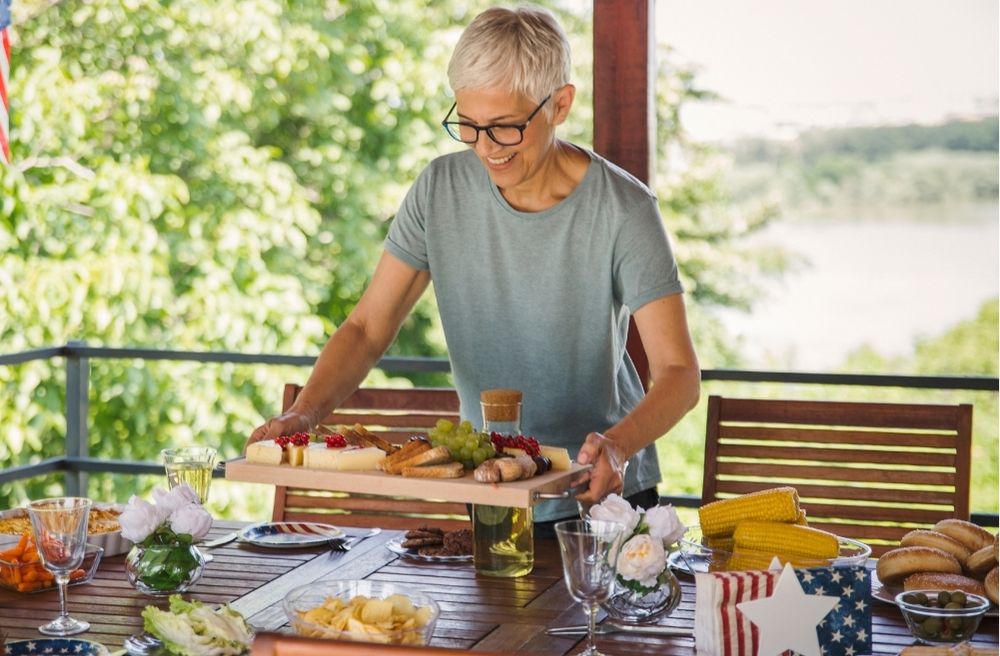
One of the biggest reasons a party becomes stressful is simple: the host tries to handle every single task alone.
You may be responsible for planning the menu, shopping for groceries, preparing every dish, cleaning the house, decorating the space, arranging the table, preparing drinks, greeting guests, serving food, clearing plates, and cleaning up afterward.
That is a lot for one person to carry.
There is also a mental load that comes with doing everything yourself. Even when you are sitting down with your guests, part of your mind may still be thinking about what needs to happen next.
You notice the empty glasses. You remember something still needs to be brought out of the kitchen. You start worrying about the dishes in the sink.
Instead of being present, you become the person managing the event.
Your guests may actually be happy to help. Someone can refill the drinks, bring out dessert, clear a few plates, or help you tidy the kitchen after dinner.
Letting people contribute does not make you a less capable host. It allows everyone to feel more involved while taking some pressure off you.
Learning 25 Easy Ways to Become a Better Host can help you focus on the habits that actually make hosting easier instead of taking on every task yourself.
Your Guest List Is Larger Than Your Energy

Sometimes the party itself is not the problem. The size of the gathering is.
A large guest list can completely change the amount of work involved. Feeding six people is very different from feeding twenty.
Keeping a conversation going with eight guests is different from trying to make everyone feel included at a much larger gathering.
It is easy to invite more people because you do not want anyone to feel left out. You might also feel pressure to make the party bigger because you assume a successful gathering needs a crowd.
It does not.
A small dinner with four close friends can be just as memorable as a packed celebration. In fact, a smaller gathering may give you more opportunity to actually talk to the people who came.
Think about the amount of energy you realistically have before creating your guest list.
If the thought of hosting twenty people already makes you tired, you do not have to prove anything by inviting twenty people.
A party should fit your capacity, not force you to exceed it.
Keeping your guest list within your comfort level is an important part of How to Host Guests Without Feeling Stressed.
You Have Created an Unrealistic Standard for Perfection
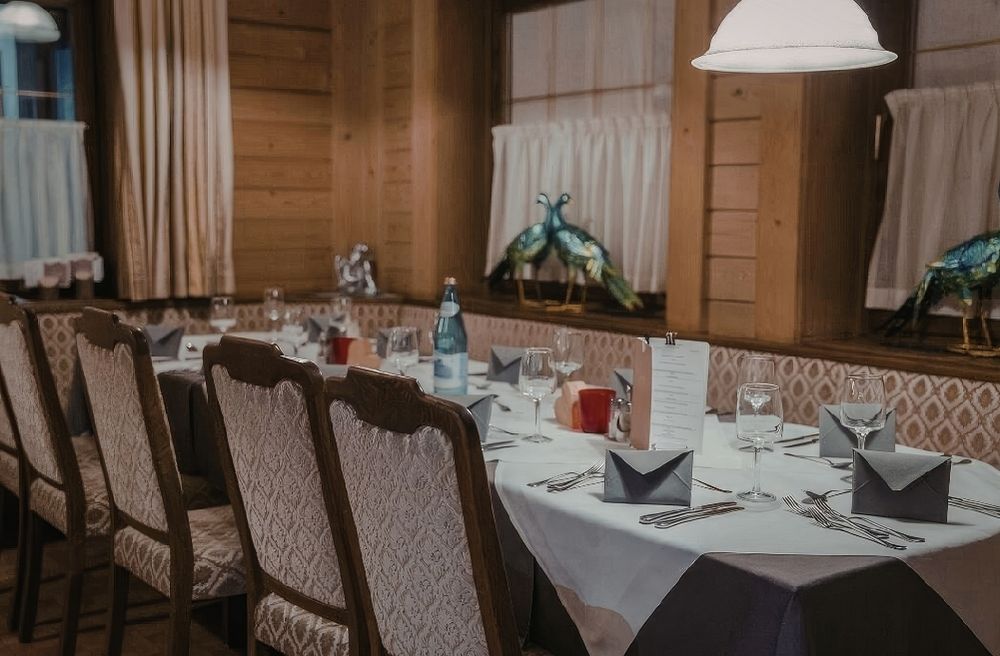
Social media has made it very easy to believe that every successful gathering needs an impressive tablescape, coordinated decorations, elaborate food, beautiful flowers, carefully styled drinks, and a perfectly spotless home.
The problem is that trying to recreate that level of perfection can turn hosting into a performance.
You may spend hours adjusting the table because one setting does not look right. You may keep cleaning the same room even after it is already perfectly presentable.
You may feel disappointed because your homemade dessert does not look exactly like the picture you saved.
Meanwhile, your guests are probably thinking about the conversation they are having and the good time they are enjoying.
Perfection is rarely what makes people remember a party fondly.
People remember laughing together. They remember an interesting conversation, a funny story, a delicious dish, or the feeling of being welcomed into someone’s home.
Give yourself permission to stop at good enough.
Your home can look lived in. Your food can be simple. Your decorations can be minimal.
A relaxed host often creates a better atmosphere than a perfectly styled but exhausted one.
If elaborate tables are contributing to your pressure, 45 Elegant Table Setting Ideas That Look Expensive can show you how to create an impressive setting without making every detail unnecessarily complicated.
Your Menu Is More Complicated Than It Needs to Be

Food can become one of the biggest sources of hosting stress, particularly when you believe you need to prepare an impressive menu from scratch.
You might choose several appetizers, multiple main dishes, different side dishes, homemade desserts, specialty drinks, and a selection of snacks.
By the time your guests arrive, you have spent most of the day in the kitchen.
The irony is that complicated food does not automatically create a better party.
A thoughtful menu with a few well chosen dishes can be much easier to manage. You can also combine homemade food with simple store bought options.
There is nothing wrong with serving a dessert you did not bake yourself or using prepared ingredients to reduce your workload.
Another useful approach is choosing dishes that can be prepared ahead of time.
When the majority of the food is ready before guests arrive, you are not constantly disappearing into the kitchen.
The goal is not to prove how much work you can do. The goal is to feed your guests well while still having enough energy to enjoy their company.
For more inspiration on creating an impressive gathering without making the food unnecessarily complicated, 35 Elegant Dinner Party Ideas for Adults offers plenty of ideas to consider.
You Are Leaving Too Much Until the Last Minute
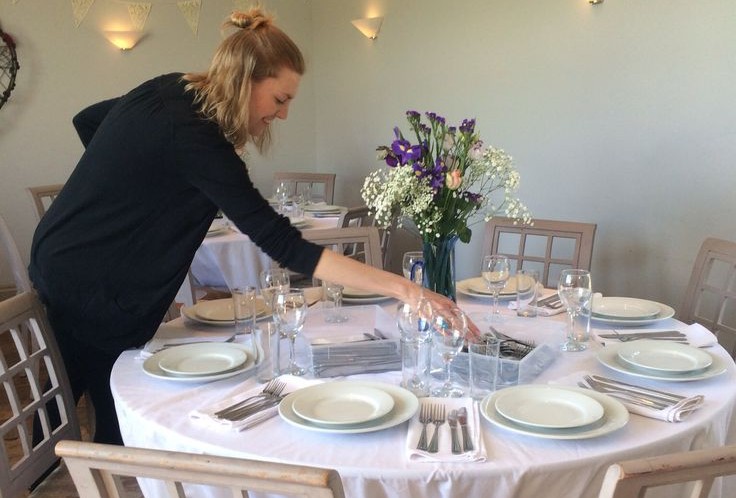
A party can feel chaotic when everything depends on the final few hours.
If you are still cleaning the bathroom, chopping vegetables, arranging furniture, setting the table, and choosing music shortly before guests arrive, your stress levels are naturally going to rise.
Last minute work also creates the feeling that you are constantly behind.
A better approach is to separate your preparation into smaller stages.
Clean the main entertaining areas ahead of time. Buy nonperishable groceries early. Prepare dishes that can be stored in advance. Set out serving pieces before the day of the gathering.
You can even create a simple preparation schedule that tells you what needs to happen several days before, the day before, and on the day itself.
That way, party day becomes about finishing touches rather than completing an entire project.
Good preparation is not about doing more.
It is about giving yourself enough breathing room to handle the unexpected without feeling like everything is falling apart.
Getting the important details handled early is much easier when you follow the practical ideas in 15 Things Great Hosts Always Do Before Guests Arrive.
You Are Worrying Too Much About What Guests Think

Another reason parties feel stressful is the constant fear of being judged.
You may wonder if your house looks impressive enough. You may worry that the food is not sophisticated enough or that guests are not having enough fun.
You might even monitor people’s reactions throughout the evening.
If someone is quiet, you assume they are bored. If someone does not eat much, you worry that they dislike the food. If there is a moment of silence, you immediately feel responsible for fixing it.
That kind of thinking can make hosting exhausting.
Your guests are adults with their own personalities, moods, conversations, and preferences. You cannot control every reaction in the room.
Your responsibility is to create a welcoming environment and make reasonable preparations. After that, you need to let people participate in the experience themselves.
Not every guest will love every dish. Not everyone will be equally talkative. Some people will leave earlier than others.
None of those things automatically mean you hosted badly.
Having a better understanding of 25 Modern Hosting Etiquette Everyone Should Know can also give you more confidence about what guests actually expect from you.
You Have Not Given Yourself Permission to Sit Down

This sounds almost too simple, but it can make a huge difference.
Some hosts spend the entire party standing.
They move from the kitchen to the dining area, refill drinks, collect plates, check the food, clean small spills, rearrange things, and look for another task to complete.
Eventually, the guests have enjoyed themselves for several hours while the host barely sat down.
You do not have to earn your right to enjoy your own party.
Once the essential hosting tasks are handled, sit with your guests.
Eat the food you prepared. Have a drink. Join the conversation. Laugh. Listen. Take pictures if you want to.
If something minor needs attention, it can probably wait.
Guests are also less likely to relax if they see you constantly working.
When the host sits down and behaves like part of the gathering, everyone receives a subtle message that it is time to enjoy themselves.
Your presence is part of the hospitality.
Being present with your guests is an important part of How to Be a Memorable Host, and it is something you should not sacrifice simply to keep working.
You Are Trying to Control the Entire Evening

Planning a party is helpful. Trying to control every moment of it is not.
You may have imagined exactly when everyone would arrive, when drinks would be served, when dinner would begin, when games would happen, and when dessert would come out.
Then someone arrives late.
Another guest wants to keep talking during dinner.
Someone suggests an activity you did not plan.
Suddenly, your carefully planned evening feels like it is going off course.
A good party needs some room for spontaneity.
Your schedule should guide the evening rather than control it.
It is useful to know roughly when food will be served and what you want guests to experience, but you do not need to force everyone through the same sequence.
Some of the best party moments happen unexpectedly.
A conversation may become more interesting than the activity you planned. Guests may enjoy sitting around the table longer than expected. People may decide to play a different game.
Let the evening breathe.
Having a plan for managing the flow of a gathering, including knowing when it is time to wrap things up, is part of How to Politely End a Party without Annoying Guest.
Your Home Is Not Set Up for Easy Hosting

Sometimes the stress comes from the physical arrangement of your home.
If guests have to walk through the kitchen every time they need a drink, if there are not enough places to sit, or if food is placed somewhere difficult to reach, you will spend the entire evening solving small logistical problems.
Think about how guests will naturally move through your home.
Put drinks somewhere accessible. Keep frequently used items within easy reach. Create clear places for people to sit and talk.
Avoid placing fragile decorations in areas where guests are likely to bump into them.
You do not need to completely transform your home.
Small changes can make hosting much easier.
The more intuitive the space feels, the less you have to manage it during the party.
Ideally, your guests should be able to find what they need without asking you every few minutes.
That gives you more freedom to participate in the gathering.
The way you arrange and prepare your home can have a big effect on the experience described in How to Make Guests Feel Welcome the Moment They Arrive.
You Are Choosing Activities Because You Think You Should

Not every party needs a packed schedule.
There is a temptation to fill every quiet moment with a game, activity, conversation starter, or entertainment idea.
Sometimes that creates the opposite of the atmosphere you wanted.
People need room to talk naturally.
If you are hosting close friends, they may be perfectly happy sitting around the table and catching up.
A family gathering may naturally revolve around food and conversation. A casual evening may not need an organized activity at all.
Activities work best when they fit the type of gathering you are creating.
You can have one simple option available without making the entire evening depend on it.
If people are enjoying themselves, let them continue.
Silence does not always mean something has gone wrong. A slower moment can simply be part of the rhythm of a relaxed gathering.
You do not always need another activity to keep people entertained, and The Best Music Playlist Ideas for Hosting is one simple way to create atmosphere without adding more work to your evening.
You Are Treating Every Party Like a Major Event
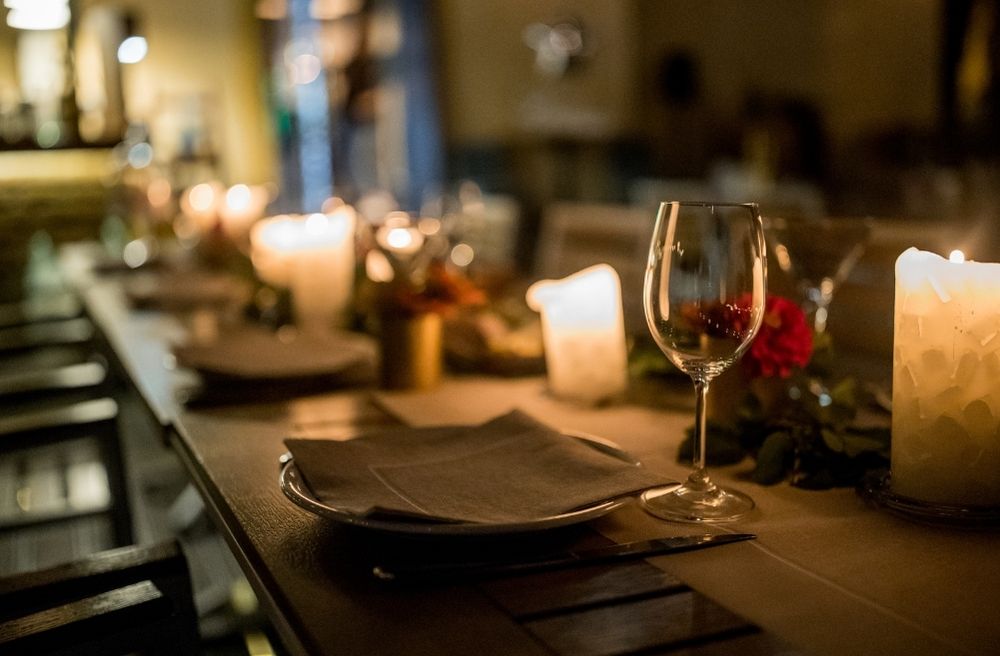
Not every gathering deserves the same level of preparation.
A birthday celebration, holiday dinner, casual lunch, weekend visit, and drinks with friends can all have completely different hosting requirements.
Problems arise when you approach every occasion as if you are producing a major event.
You may spend hours decorating for a casual evening. You may prepare an elaborate menu for friends who would have been happy with pizza.
You may deep clean the entire house before two people come over.
Matching your effort to the occasion can make hosting much easier.
A casual gathering can be casual.
A simple meal served around a comfortable table can be enough. A few candles can create atmosphere without requiring elaborate decorations.
Music playing quietly in the background can add warmth without turning your living room into an entertainment venue.
There is freedom in recognizing that not every party needs to be your most impressive one.
Sometimes the easiest gatherings are the ones people enjoy the most.
If you tend to make every gathering more elaborate than necessary, 25 Casual Dinner Party Ideas Everyone Will Love is a good reminder that simple entertaining can still feel special.
You Are Forgetting That Guests Can Entertain Themselves

A host does not need to keep every guest occupied from the moment they arrive until the moment they leave.
This is especially important if you have invited people who already know one another.
Guests can start conversations. They can pour themselves another drink. They can admire the food, look through photos, play a game together, or simply sit and talk.
You do not need to move constantly between groups to make sure everyone is entertained.
Of course, it is thoughtful to introduce guests who do not know each other and occasionally bring people into a conversation. But after that, give them some freedom.
Trusting your guests is part of relaxed hosting.
You can create the setting and then allow the people in it to bring their own energy.
That shift can be surprisingly liberating.
Instead of thinking, “What do I need to do next?” you can start thinking, “What would I enjoy doing right now?”
That is a much healthier way to experience your own gathering.
Rather than feeling responsible for keeping everyone entertained, you can create opportunities for natural interaction with ideas from How to Start Conversations at Dinner Parties.
You Are Measuring Success by How Much Work You Did
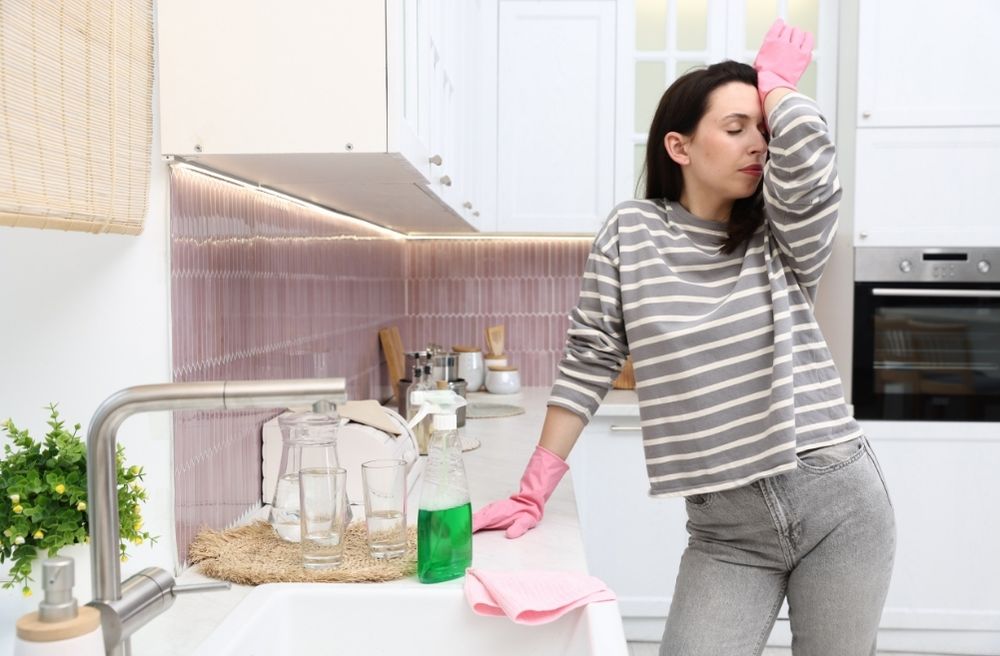
There is a strange idea that a host has done a better job if they worked harder.
The house was cleaned from top to bottom. The food took six hours to prepare. Every decoration was handmade. The host barely slept the night before.
That is not necessarily successful hosting.
The better question is how the gathering felt.
Did people feel welcome? Did they have opportunities to connect? Was there enough food and drink? Did the atmosphere feel comfortable? Did you get to enjoy some of the evening too?
If the answer is yes, then the party succeeded.
Your guests do not need evidence of every hour you spent preparing behind the scenes.
In fact, one of the signs of thoughtful hosting is that the work feels almost invisible.
Guests simply experience a comfortable environment, good food, warm conversation, and a host who seems genuinely happy to have them there.
You do not need to exhaust yourself to create that experience.
A successful gathering is not measured by how exhausted you are afterward, and The Complete Home Entertaining Checklist can help you organize the practical details without letting them take over your entire day.
How to Make Your Next Party Feel More Relaxed

Once you understand what is creating the stress, the solution becomes much simpler.
Start by reducing the number of things that require your attention during the actual gathering.
Choose a manageable guest list. Keep the menu realistic. Prepare as much as you can ahead of time. Make the space easy for guests to navigate.
Give yourself permission to use simple decorations and uncomplicated food.
Most importantly, decide what actually matters to you.
Maybe your priority is having enough time to talk to everyone.
Maybe you care most about serving a meal around the table. Perhaps you want your guests to feel comfortable enough to stay late and chat.
Choose two or three priorities and let the rest be secondary.
It also helps to build a few small hosting habits that protect your energy.
Keep extra drinks somewhere guests can reach them. Use serving dishes that do not require constant attention.
Have a place for coats and bags. Clear the kitchen before people arrive as much as reasonably possible.
These little choices reduce the number of decisions you have to make later.
And when something goes wrong, resist the urge to treat it like a disaster.
A spilled drink can be cleaned. A dish that does not turn out perfectly can be replaced with something else. A late guest can join when they arrive. A conversation that goes quiet can find its way again.
Parties do not need to run perfectly to be memorable.
Looking at 15 Reasons Guests Might Not Enjoy Visiting Your Home (and Easy Ways to Fix Them) can also help you focus on the parts of the experience that actually matter to your guests.
Let Yourself Enjoy the Party You Planned

If you have been wondering why your parties feel stressful, the answer may not be that you need to become a better host. You may simply need to stop making hosting harder than it needs to be.
You are allowed to simplify the menu.
You are allowed to invite fewer people.
You are allowed to ask for help.
You are allowed to sit down.
You are allowed to serve something simple, leave a little mess until tomorrow, and let your guests entertain themselves.
Most importantly, you are allowed to enjoy the gathering you worked so hard to create.
The best parties are not always the ones with the most impressive decorations or the longest menus.
They are often the gatherings where everyone feels comfortable enough to relax, talk, laugh, eat, and stay present.
That includes the person who opened their home in the first place.
So, the next time you host, try doing a little less and being present a little more. Your guests are coming to spend time with you, not to watch you work.
As you rethink your approach to hosting, The One Hosting Habit That Can Make People Hesitant to Accept Invitations is another useful reminder that the way you host can affect how comfortable people feel about accepting future invitations.





2 Comments