
Hosting Etiquette Every Host Should Know
Hosting etiquette is about much more than serving delicious food or decorating a beautiful table. It’s the thoughtful way you make people feel from the moment they receive your invitation until they leave your home. By understanding the hosting etiquette every host should know, you can create gatherings where guests feel welcomed, respected, and genuinely cared for.
The best part is that proper hosting etiquette isn’t about following rigid rules or trying to impress people with perfection. It’s about showing consideration, anticipating your guests’ needs, and handling every stage of a gathering with warmth and confidence.
Small gestures, thoughtful communication, and good manners often leave a much stronger impression than expensive meals or elaborate decorations.
Every host encounters different situations. Some gatherings involve close family members, while others bring together friends, colleagues, or neighbors who may be meeting for the first time. Understanding how to navigate these moments gracefully helps everyone feel comfortable, regardless of the occasion.
This guide walks you through the hosting etiquette every host should know, from planning and welcoming guests to dining manners, overnight hosting, and saying goodbye. By the end, you’ll feel more confident creating gatherings that people remember for all the right reasons.
Let’s explore the essential etiquette practices that every thoughtful host should keep in mind.
First Impressions Begin Before Guests Arrive
Long before anyone rings your doorbell, your hosting etiquette is already making an impression. The planning stage sets expectations and helps guests feel prepared for your gathering.
Communicate Clearly With Guests

One of the simplest ways to demonstrate good etiquette is by providing clear information.
Let guests know the date, time, location, dress code if necessary, parking instructions, and any details they may need before arriving.
Clear communication prevents confusion and allows everyone to arrive feeling comfortable instead of uncertain.
Guests appreciate knowing what to expect, especially if they’re visiting your home for the first time.
If your plans change, inform everyone as early as possible. Prompt updates show respect for your guests’ schedules and help maintain trust.
If you’re still learning the basics of planning successful gatherings, our Ultimate Beginner’s Guide to Entertaining at Home is an excellent place to start.
Send Invitations Early Enough
Good etiquette includes giving guests enough time to plan.
Casual gatherings may only require several days’ notice, while holiday dinners, celebrations, or larger events often deserve invitations several weeks in advance.
This allows guests to adjust their schedules without feeling pressured.
Early invitations also make it easier for you to estimate attendance and prepare accordingly.
Sending invitations well in advance is one of the easiest ways to reduce last-minute pressure, as we explain in How to Host Guests Without Feeling Stressed.
Ask About Dietary Restrictions

Food should bring people together, not create unnecessary stress.
Before finalizing your menu, politely ask guests if they have allergies, dietary restrictions, or religious food requirements.
This thoughtful question shows genuine care and helps avoid awkward situations during the meal.
Even offering one or two suitable alternatives can make guests feel valued and included.
Thoughtful hosts always consider their guests’ needs, and you’ll find more practical ideas in 25 Easy Ways to Become a Better Host.
Welcome Guests With Genuine Warmth
The first few minutes after guests arrive often shape the tone for the rest of the gathering. A warm welcome helps people settle in quickly and encourages meaningful conversations throughout the event.
Greet Guests Personally

Whenever possible, answer the door yourself instead of asking someone else to do it.
Offer a genuine smile, make eye contact, and greet each guest by name.
Taking coats, showing them where to place personal belongings, and introducing them to others immediately creates a welcoming atmosphere.
Simple gestures like these help guests feel comfortable from the moment they step inside.
A warm greeting at the door is one of the easiest ways to help visitors feel comfortable, as you’ll discover in How to Make Guests Feel Welcome the Moment They Arrive.
Make Introductions Thoughtfully

If some guests don’t know one another, don’t leave introductions to chance.
Take a few moments to introduce people using shared interests or common experiences.
Mentioning something meaningful gives conversations a natural starting point instead of relying on awkward small talk.
Thoughtful introductions help everyone feel included, especially guests attending alone.
Offer Refreshments Soon After Arrival

Guests shouldn’t have to wonder if they’re allowed to help themselves.
Offer water, soft drinks, coffee, tea, or a welcome beverage shortly after everyone arrives. Light appetizers also help guests relax while waiting for the main meal.
Providing refreshments early signals that they’re welcome to settle in and enjoy themselves.
A thoughtful welcome drink can complement many of the creative celebrations featured in 27 Themed Dinner Party Ideas That Guests Will Remember.
Create a Comfortable Atmosphere for Everyone
Beautiful decorations certainly enhance a gathering, but genuine comfort matters even more.
Hosting etiquette involves paying attention to the little details that help guests feel at ease throughout the event.
Keep Your Home Clean and Inviting

Your home doesn’t need to look like a magazine cover.
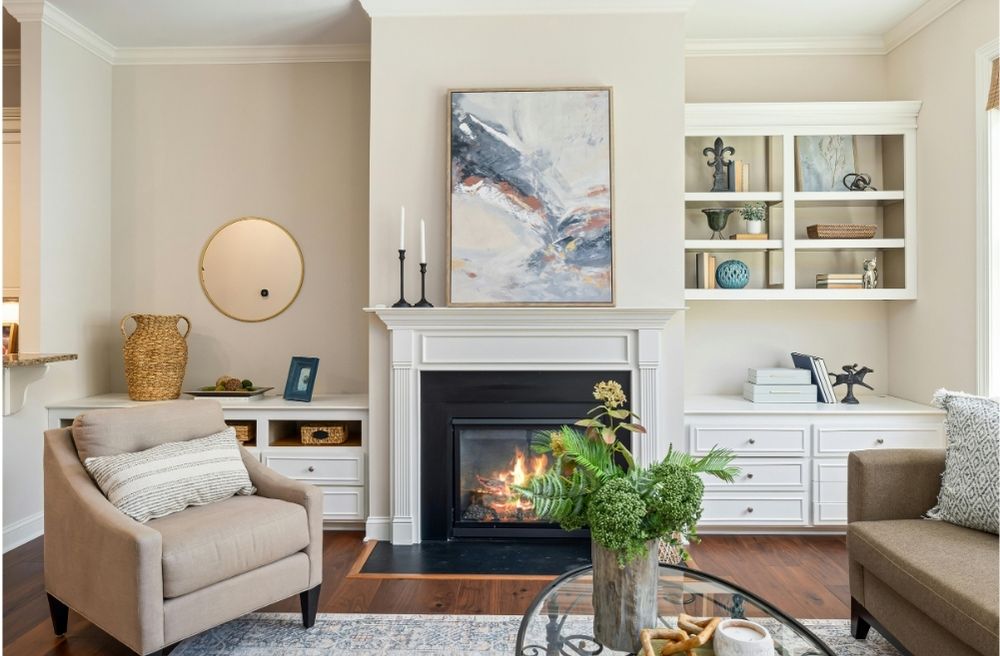
Focus on cleanliness rather than perfection. Entryways, living spaces, dining areas, and guest bathrooms deserve particular attention because they’re the spaces visitors are most likely to use.
Guests remember feeling comfortable far more than they’ll remember whether every decorative item was perfectly arranged.
Before guests arrive, use The Complete Home Entertaining Checklist to make sure every important detail has been covered.
Maintain a Comfortable Temperature
A room that’s too warm or too cold can quietly affect everyone’s experience.
Adjust the temperature before guests arrive and continue monitoring it throughout the gathering. If dining outdoors, provide blankets or outdoor heaters when necessary.
Comfort allows guests to focus on enjoying the company instead of thinking about the weather.
Creating a calm, uncluttered atmosphere pairs perfectly with the elegant inspiration found in 35 Minimalist Table Decor You’ll Love.
Provide Enough Seating

No guest should wonder where they’re supposed to sit.
Arrange enough comfortable seating before everyone arrives, allowing people to move naturally between conversation areas if the gathering continues after dinner.
Well-planned seating encourages interaction while helping guests feel relaxed.
Comfortable seating and a thoughtfully arranged table work hand in hand with these 41 Modern Table Setting Ideas.
Practice Good Dining Etiquette as a Host
Hosting etiquette extends to the dining table, where your behavior sets the tone for everyone else.Fortunately, practicing good table manners as a host is often simpler than many people expect.
Serve Guests Before Serving Yourself

A thoughtful host naturally places guests first.
Make sure everyone has received their meal before preparing your own plate. This simple habit demonstrates generosity and ensures no one feels overlooked.
Once everyone has been served, you can comfortably sit down and enjoy the meal alongside your guests.
Serving guests at a beautifully arranged table becomes even more memorable with inspiration from 50 Beautiful Table Setting Ideas for Every Occasion.
Avoid Constantly Apologizing
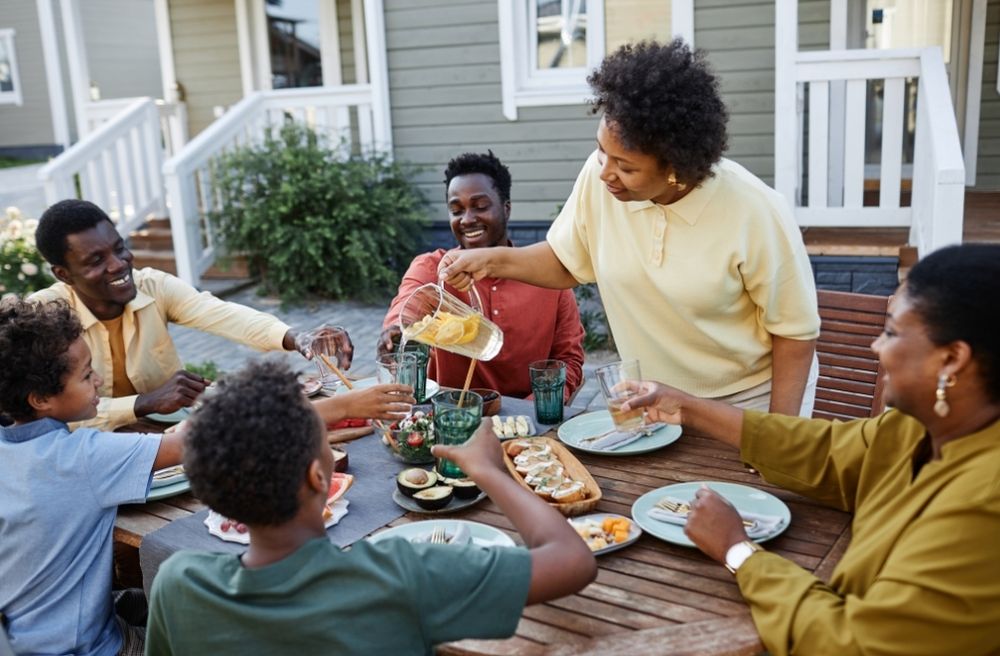
Many hosts develop the habit of apologizing for every small imperfection.
Comments about overcooked food, unfinished decorations, or minor mistakes often draw attention to issues guests may never have noticed.
Instead, serve your meal confidently and allow everyone to enjoy the experience.
Confidence helps guests relax because they take their cues from you.
Stay Present During the Meal

One of the greatest gifts you can offer your guests is your attention.
Avoid spending the entire evening in the kitchen checking dishes or cleaning as people eat.
Preparing as much as possible beforehand allows you to remain part of the conversations and enjoy the gathering yourself.
Guests came to spend time with you, not simply to enjoy your cooking.
Many of the entertaining ideas in 35 Elegant Dinner Party Ideas for Adults are designed to help you spend more time with your guests instead of staying busy in the kitchen.
Handle Conversations With Grace
A good host helps conversations flow naturally without making anyone feel pressured or left out. While you don’t need to entertain every minute, paying attention to the social atmosphere helps everyone enjoy the gathering.
Include Everyone in the Conversation

Some guests naturally enjoy talking, while others are more reserved.
If you notice someone sitting quietly, gently invite them into the conversation by asking open ended questions about their hobbies, recent travels, or interests.
At the same time, avoid putting anyone on the spot or making them feel obligated to speak.
When everyone has an opportunity to participate, the gathering feels more balanced and welcoming.
Relaxed gatherings naturally encourage conversation, which is one reason 25 Casual Dinner Party Ideas Everyone Will Love remains a favorite among hosts.
Keep Sensitive Topics Off the Table

Every group has different comfort levels, but certain subjects can easily shift the mood of an otherwise enjoyable gathering.
Political debates, controversial opinions, personal finances, or deeply sensitive family matters are usually better left for another time unless everyone willingly chooses to discuss them respectfully.
Instead, encourage conversations about travel, food, hobbies, books, movies, upcoming celebrations, or shared experiences that help people connect naturally.
Listen as Much as You Speak

Great hosts aren’t simply good talkers. They’re excellent listeners.
Give guests your full attention when they’re speaking instead of constantly looking around the room or planning your next task. Genuine listening shows respect and helps people feel heard.
Sometimes the most memorable hosts are remembered because they made others feel important, not because they dominated every conversation.
Respect Your Guests’ Personal Space
Warm hospitality also means recognizing that every guest has different preferences and boundaries. Paying attention to personal comfort demonstrates maturity and consideration.
Avoid Pressuring Guests

Hospitality should always feel inviting rather than forceful.
If someone declines dessert, another serving, or a particular activity, accept their decision graciously. Repeatedly insisting may unintentionally make them uncomfortable.
Offering choices without pressure allows guests to enjoy the evening in the way that feels best for them.
Respect Different Personalities
Every gathering includes a mixture of outgoing and quieter personalities.
Some guests enjoy lively group conversations, while others prefer smaller discussions with just a few people.
Good hosting etiquette means creating opportunities for both instead of expecting everyone to interact in the same way.
Allow guests to socialize naturally without trying to manage every interaction.
Be Mindful of Time
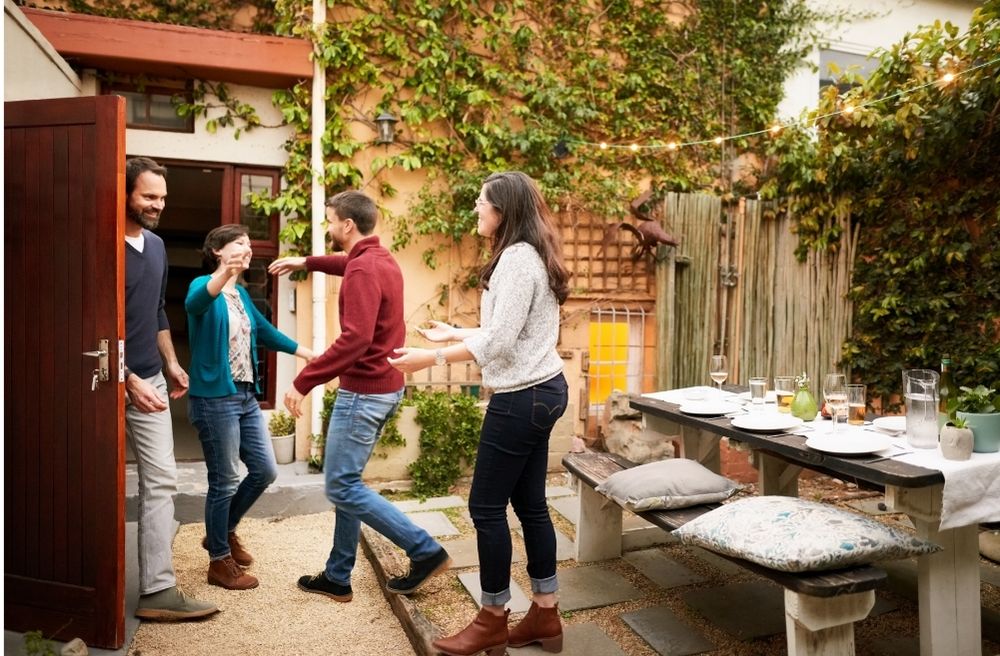
Guests appreciate a host who respects their schedule.
If the gathering has an expected ending time, avoid unexpectedly extending the evening. Likewise, if guests begin preparing to leave, don’t pressure them to stay longer than they’re comfortable.
Showing consideration for their time leaves a positive final impression.
Practice Thoughtful Etiquette During Overnight Stays
Hosting overnight guests involves additional responsibilities beyond entertaining for a few hours. Thoughtful preparation helps visitors feel comfortable while respecting everyone’s privacy.
Prepare the Guest Room Before Arrival

A welcoming guest room doesn’t need to be luxurious.
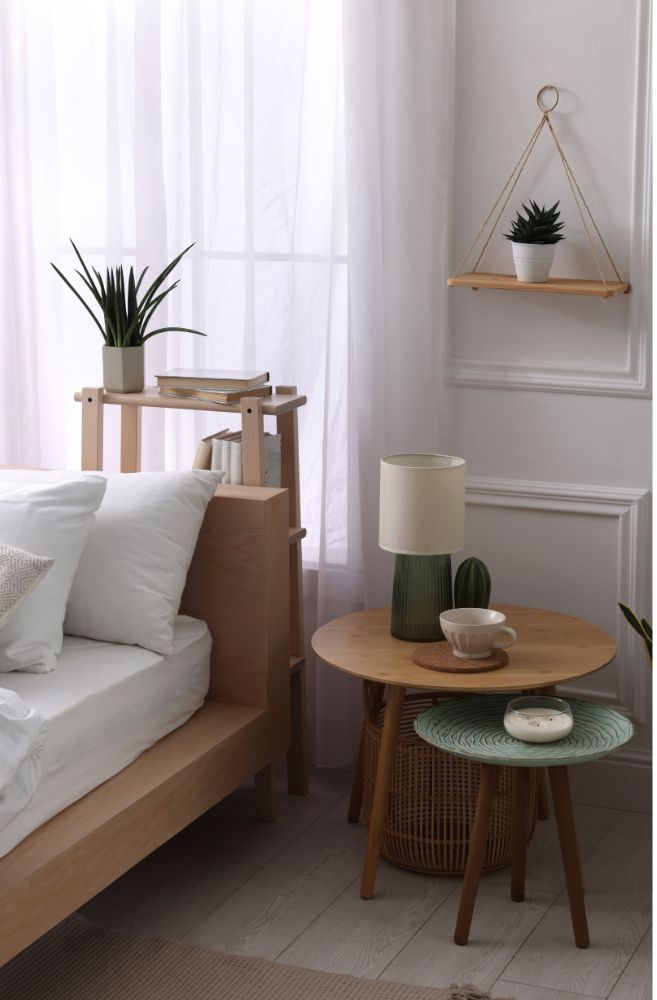
Fresh bedding, clean towels, extra pillows, a bedside lamp, bottled water, and a few basic toiletries help visitors settle in comfortably.
Small details communicate that you’ve prepared specifically for their visit.
Even if you don’t have a dedicated guest room, creating a clean and organized sleeping space shows genuine hospitality.
Preparing a welcoming overnight space becomes much easier with our Guest Room Essentials Every Host Should Have guide.
Explain House Rules Kindly
Every home operates a little differently.
Rather than assuming guests know your routines, briefly explain anything important, such as Wi-Fi information, breakfast plans, security systems, quiet hours, or where to find extra blankets and towels.
Sharing these details early prevents awkward misunderstandings later.
Give Guests Privacy

Being welcoming doesn’t mean spending every minute together.
Allow overnight guests time to relax, unpack, or rest without feeling that they must constantly socialize. Respecting personal space helps everyone feel more comfortable throughout the visit.
Finding the balance between attentiveness and privacy is one of the most valuable hosting skills.
Handle Unexpected Situations Calmly
Even the most carefully planned gatherings rarely unfold exactly as expected.
Hosting etiquette includes responding gracefully when small challenges arise.
Stay Calm When Something Goes Wrong

A forgotten ingredient, spilled drink, broken glass, or delayed meal doesn’t have to ruin the evening.
Guests usually take their emotional cues from the host. If you remain calm and solve problems with a smile, most people will barely notice the inconvenience.
Your attitude often matters far more than the problem itself.
Handle Mistakes With Confidence
Perfection isn’t the goal of good hosting.
If you make a mistake, acknowledge it briefly if necessary, fix what you can, and move forward without repeatedly apologizing. Most guests appreciate authenticity more than flawless execution.
Confidence helps maintain a relaxed atmosphere for everyone.
Even beautifully planned celebrations can have small surprises, and the ideas in 60 Valentine’s Dinner Party Ideas show that thoughtful hosting always matters more than perfection.
Adapt to Changing Circumstances
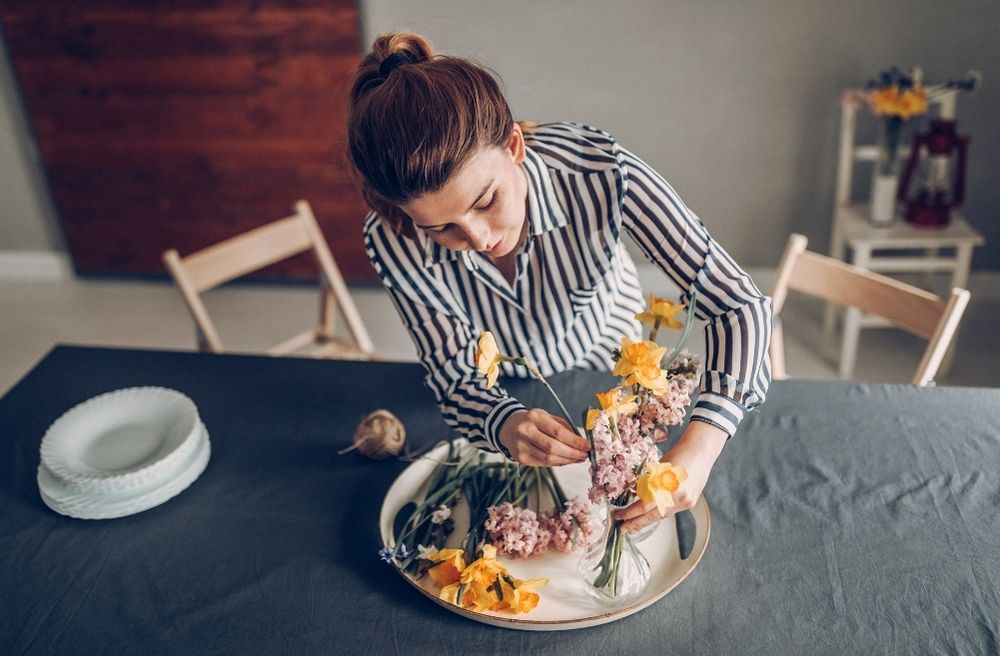
Sometimes additional guests arrive unexpectedly, weather changes outdoor plans, or conversations naturally shift in unexpected directions.
Remaining flexible allows you to adjust without becoming overwhelmed. Good etiquette often means responding thoughtfully instead of trying to control every detail.
Adaptability is one of the qualities that separates experienced hosts from inexperienced ones.
Show Appreciation Before Guests Leave
The final moments of a gathering often shape the lasting impression guests take home.
Ending the evening thoughtfully completes the hosting experience on a positive note.
Thank Every Guest Personally

As guests prepare to leave, thank each person individually for coming.
A sincere expression of appreciation makes people feel valued and reminds them that their presence mattered more than the event itself.
Simple words spoken warmly often leave the greatest impression.
Expressing gratitude is an important part of every gathering, and it’s something we also emphasize in How to Host the Perfect Thanksgiving Dinner.
Walk Guests to the Door
Walking guests to the door is a timeless gesture of hospitality.
Offer assistance with coats, leftovers, or personal belongings if needed, and wish everyone a safe trip home.
These final moments reinforce the welcoming atmosphere you’ve created throughout the gathering.
Small courtesies like this continue to reflect thoughtful hosting etiquette.
Follow Up After the Gathering

Good etiquette doesn’t necessarily end when guests leave your home.
Sending a brief message the following day to thank everyone for attending or sharing a few photos from the event strengthens relationships and leaves guests feeling appreciated.
This thoughtful follow up often encourages future invitations and lasting friendships.
Be the Kind of Host Guests Love Visiting Again
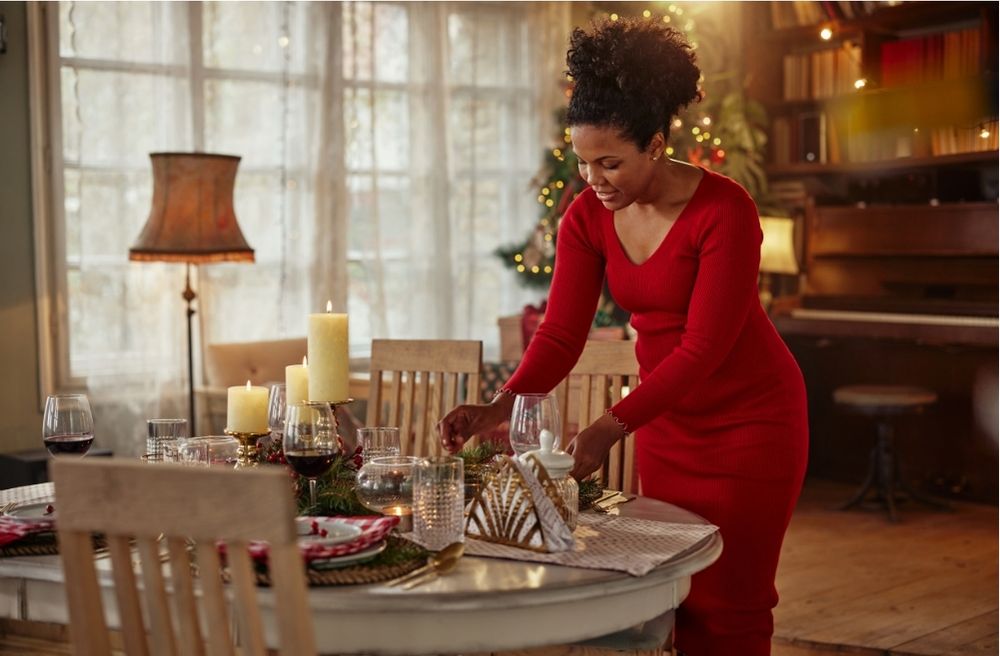
People may forget exactly what was served for dinner or which playlist was playing in the background, but they’ll almost always remember how your hospitality made them feel.
Hosting etiquette is ultimately about creating an experience where guests feel comfortable, respected, and genuinely welcomed.
Practicing good etiquette doesn’t require expensive décor or years of experience. It simply means paying attention to the little details that communicate kindness, thoughtfulness, and consideration.
As you continue hosting, these habits will become second nature, allowing you to focus less on managing every detail and more on enjoying meaningful moments with the people you’ve invited into your home.
Common Hosting Etiquette Mistakes to Avoid
Even experienced hosts occasionally make small mistakes that affect the guest experience. The good news is that most etiquette missteps are easy to avoid once you recognize them.
Paying attention to these common habits will help you host with greater confidence while making every gathering more enjoyable for everyone involved.
Trying to Make Everything Perfect

Many hosts believe every detail has to be flawless before guests arrive. In reality, striving for perfection often creates unnecessary stress and makes it harder to enjoy the gathering yourself.
Guests are far more likely to remember genuine conversations, warm hospitality, and a relaxed atmosphere than a perfectly folded napkin or an elaborate centerpiece.
Focus on making people feel welcome instead of trying to create a picture-perfect event.
Beautiful tables don’t have to be flawless. These 45 Elegant Table Setting Ideas That Look Expensive prove that elegance comes from thoughtful styling rather than perfection.
Spending Too Much Time in the Kitchen
Preparing a wonderful meal is important, but your guests came to spend time with you, not watch you disappear into the kitchen throughout the evening.
Whenever possible, prepare dishes in advance so you can remain present during the gathering.
Sitting down, joining conversations, and sharing the meal with your guests creates a much more enjoyable experience for everyone.
Preparing your table ahead of time using ideas from 33 Rustic Table Setting Inspiration gives you more time to enjoy your guests instead of rushing around before dinner.
Forgetting to Include Everyone
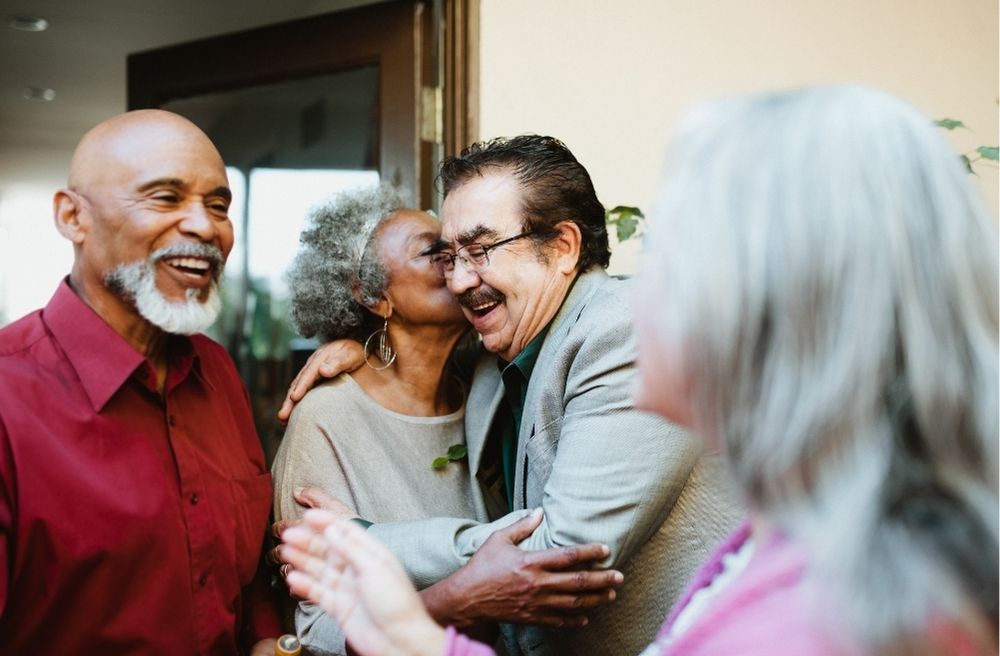
It’s natural to spend more time talking with close friends or family members, but good hosting etiquette means making an effort to include everyone.
Check in with quieter guests, introduce people who haven’t met, and encourage conversations that allow everyone to participate.
Small acts of inclusion help create an atmosphere where every guest feels valued.
Constantly Apologizing
Some hosts apologize repeatedly for things guests barely notice, such as a delayed meal, slightly imperfect decorations, or a recipe that didn’t turn out exactly as planned.
Instead of pointing out minor flaws, move forward with confidence. Most guests appreciate your effort and hospitality far more than they notice small imperfections.
A calm, positive attitude helps everyone relax and enjoy the occasion.
Ignoring Guests’ Time

A successful gathering respects both the beginning and the ending of the event.
Avoid keeping guests waiting long after the scheduled start time, and be mindful when the evening naturally begins to wind down.
Thank everyone for coming, help them gather their belongings if needed, and allow them to leave without feeling guilty.
Respecting your guests’ schedules leaves a positive final impression and makes them more likely to accept your next invitation.
Frequently Asked Questions About Hosting Etiquette
What is the most important rule of hosting etiquette?
The most important rule is making your guests feel comfortable and welcome.
Thoughtful communication, genuine hospitality, and paying attention to your guests’ needs matter far more than having a perfectly decorated home or an elaborate menu.
How early should guests arrive for a dinner party?
Guests should aim to arrive on time or no more than five to ten minutes after the stated start time unless the host has said otherwise.
Arriving too early may interrupt final preparations, while arriving significantly late can delay the meal and inconvenience everyone.
Should a host eat before serving guests?
Good etiquette suggests serving your guests first before preparing your own plate.
Once everyone has been served, the host should sit down and enjoy the meal alongside everyone else rather than continuing to work throughout dinner.
What should I do if a guest brings someone who wasn’t invited?
Welcome the unexpected guest politely and avoid making anyone feel embarrassed. If possible, adjust your seating or meal to accommodate them.
After the event, you can privately clarify your invitation expectations with the original guest if necessary.
Is it rude to ask guests to remove their shoes?
Not at all. If you prefer a shoe-free home, communicate this kindly and make it easy for guests by providing a clean space for shoes and, if possible, offering comfortable house slippers or socks.
How do I politely end a gathering?
Begin giving subtle signals that the evening is coming to a close by clearing dishes, offering coats, thanking guests for coming, and walking them to the door.
Most people will naturally recognize these cues without feeling rushed.
Should I follow up after hosting?
Yes. A short message thanking your guests for spending time with you is a thoughtful gesture that strengthens relationships.
If appropriate, you can also share a few photos from the gathering or mention something you enjoyed about having them over.
Great Hospitality Is Built on Thoughtful Habits

Hosting etiquette isn’t about following outdated rules or striving for perfection.
It’s about treating people with kindness, respect, and genuine care from the moment they’re invited until long after they’ve returned home.
Guests may not remember every dish you served or every decoration you displayed, but they’ll remember how welcome and comfortable you made them feel.
Small gestures, thoughtful conversations, and sincere hospitality often leave the biggest impression.
As you continue hosting, these habits will become second nature. Instead of worrying about every little detail, you’ll gain the confidence to enjoy your gatherings while creating meaningful experiences for everyone around your table.
With thoughtful preparation and a welcoming attitude, you’ll discover that great hosting isn’t about impressing your guests.
It’s about making every person feel valued, comfortable, and excited to accept your next invitation.